

Audio By Carbonatix
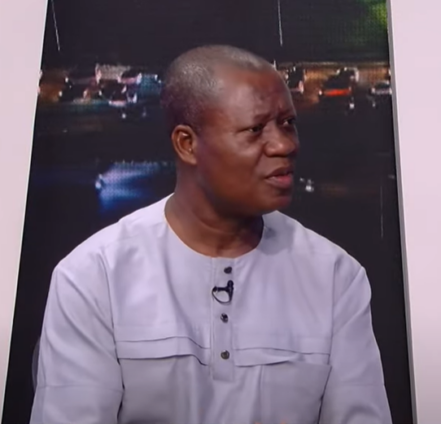
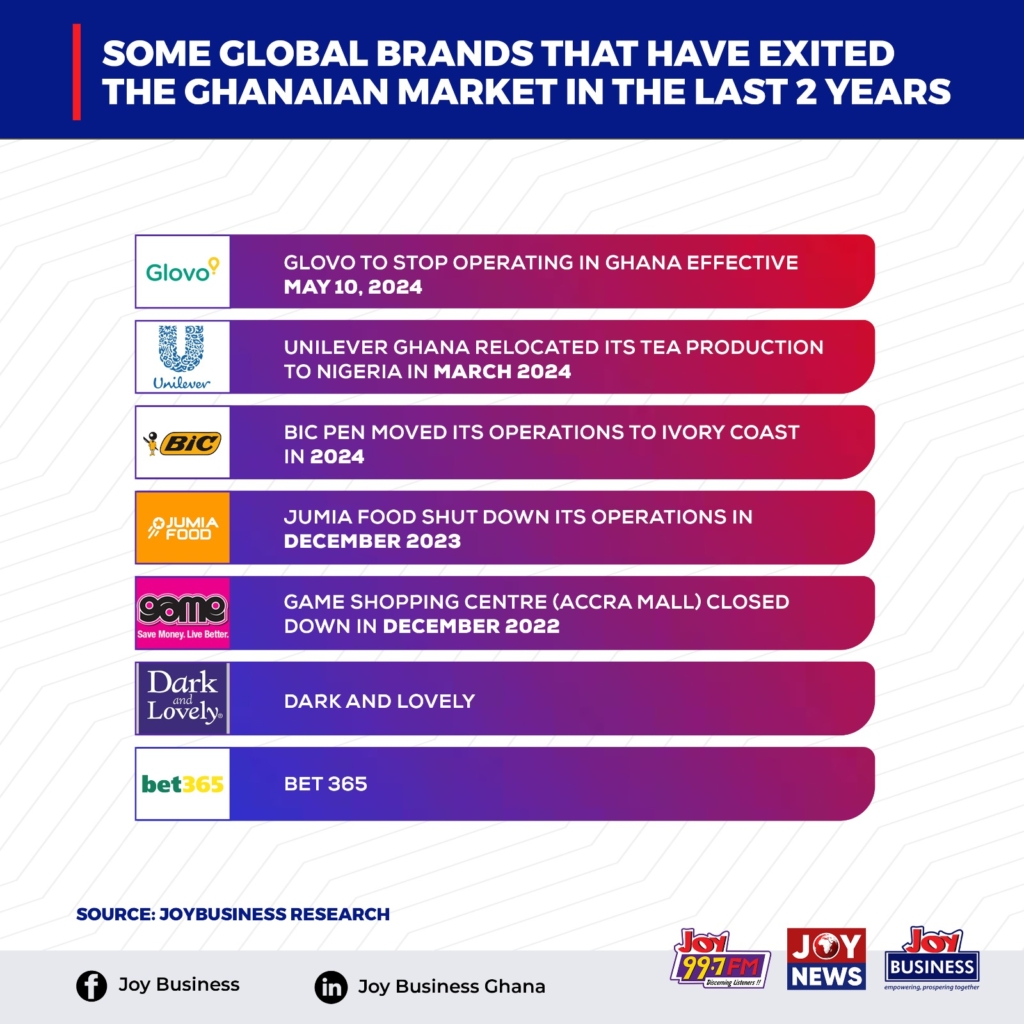
More businesses are working on moving out of Ghana and also cut down on their workforce as part of measures to deal with the challenging economic environment, the General Secretary of the Food and Beverages Association, Samuel Aggrey has said.
He made the revelation on PM Express Business Edition with host George Wiafe on May 2, 2024.
“It has been a very difficult decision for most of these businesses, and if government does not take steps to deal with their concerns, they will not be left with any option than to relocate”, he warned.
He added that companies that have already left, took the decision, after several engagements with government and other agencies, which however, did not yield the desired outcomes.
Mr. Aggrey pointed out for example that, the cedi’s perennial depreciation has also not been helpful, a major contributory factor to the businesses exiting.
He disclosed that government has not done enough to support firms that are operating in the country from the negative impact of cheap imports.
“The situation is getting very bad, most of these firms have to comprehend , with unreliable utility supply”, he said.
Impact on economy and recommendations
Speaking on the same programme, Senior Economist at the Institute of Statistics Social and Economic Research (ISSER) Prof. Robert Darko Osei noted that that businesses will only go where profit is guaranteed.

“We should understand that for most of these businesses, it’s all about the profit and if the situation is not good for them in a country they operate, then they have to take some action”.
“We should also understand that most of these moves have been influenced by the economic environment and how it is impacting on their operations”, he added.
Prof. Osei expressed his displeasure about the number of taxes imposed on businesses.
“As a country we should realize that we cannot tax ourselves out of the current economic situation”, he said.
Expressing some optimism, Prof. Osei said if government could stick to the International Monetary Fund programme, then the much talked about stability could be achieved soon to improve the situation for businesses.
He pointed out that that the cost of doing business in the country is quite high compared to other countries in the region.
“If we want to keep these businesses, then we need to look at the tax system going forward”, he advised.
Prof. Osei noted that working hard to stabilize the economy and improving the fiscal situation will help deal with the challenge.
“Policy Prioritization is also very important in these times, to send some signals to these companies that government is committed to dealing with their issues” he said.
Latest Stories
-
A source of excellence across generations – Vice President Opoku-Agyemang lauds Mfantsipim
51 minutes -
(Photos) Mfantsipim School launches historic 150th anniversary
1 hour -
Knights and Ladies of Marshall group backs Catholic Bishops’ stance on anti-LGBTQ+
2 hours -
Bright Simons writes: All the Filla in the Ibrahim Mahama/E&P – Gold Fields Saga
3 hours -
Monetise Idiocy In Ghana
3 hours -
The Ghanaian prophet and the mysterious death of his scottish wife Charmain Speirs
3 hours -
Nearly 400 sentenced in Nigeria for links to militant Islamists
4 hours -
Ghana’s recovery supported by gold strength despite global oil price pressures – Standard Bank Research
4 hours -
Methodist Church hails Mfantsipim@150; calls for “fresh consecration” to excellence
4 hours -
‘Excellence is our inheritance’ – Nana Sam Brew-Butler hails Mfantsipim’s 150-year reign in leadership
4 hours -
Kwaku Azar writes: A-G vs OSP
4 hours -
Mfantsipim–Adisadel rivalry built excellence, not division – Sam Jonah
5 hours -
Vice President launches Mfantsipim’s 150 years of shaping Ghana’s greatest mind
5 hours -
I assure Otumfuo, Mahama will join him to commission KNUST Teaching Hospital by end of this year – Haruna Iddrisu
6 hours -
Barcelona dominate derby to extend La Liga lead
6 hours