

Audio By Carbonatix
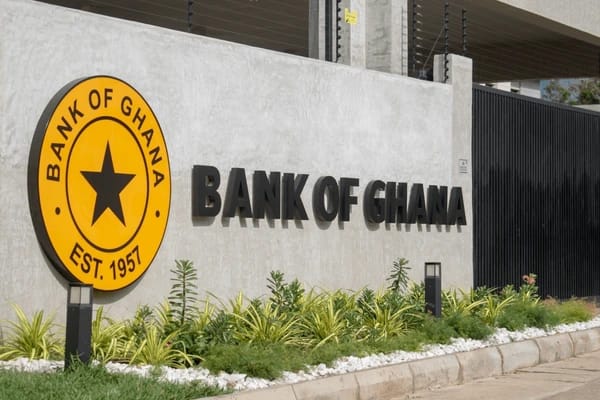
The Monetary Policy Committee (MPC) of the Bank of Ghana begins its three-day meeting today to assess developments in the economy over the past two months, with inflation, external risks and the recent stability of the cedi expected to dominate discussions.
The meeting will end on Wednesday, July 22, 2026, with an announcement on the policy rate, which currently stands at 14%.
Market analysts say this could be one of the MPC’s most challenging meetings this year as members weigh the impact of global developments, particularly tensions in the Middle East, on Ghana’s inflation outlook, foreign exchange market and international reserves.
Many expect the Committee to focus on inflationary pressures, rising crude oil prices, external shocks and measures to sustain the cedi’s recent gains.
Before tensions in the Middle East escalated and pushed global crude oil prices higher, there were strong expectations that the Bank of Ghana would begin easing monetary policy with a modest reduction in the policy rate.
However, the renewed external risks have changed that outlook, with several economists now expecting the Committee to adopt a cautious “wait-and-see” approach and maintain the policy rate at 14% while assessing the impact of global developments on inflation and economic growth.
The Bank of Ghana Governor, Dr. Johnson Asiama, has consistently maintained that the Committee’s decisions will be guided by incoming economic data. In a recent interview with Bloomberg in London, he also indicated that developments in the Middle East would influence Ghana’s inflation outlook and future monetary policy decisions.
What the Committee will consider
Over the next three days, MPC members will review key macroeconomic indicators, including inflation trends, exchange rate movements, credit conditions and fiscal developments.
They will also assess domestic and global economic risks to determine the outlook for inflation and growth.
The Committee is expected to examine background reports prepared by senior Bank of Ghana officials and may receive strategic briefings from selected stakeholders, including government institutions and trade associations.
Each member will then present a policy position before voting on the appropriate policy rate. The final decision is reached either by consensus or by majority vote.
Composition of the MPC
The Monetary Policy Committee is chaired by the Governor of the Bank of Ghana, Dr. Johnson Asiama.
Other members include First Deputy Governor Dr. Zakari Mumuni, Second Deputy Governor Matilda Asante-Asiedu, the Bank’s Head of Research, the Head of Treasury, and two external members.
Latest Stories
-
Power restoration fault suspected in Kumasi Central Market fire
23 minutes -
The 7-foot giant of Ngleshie Amanfro: Seven-foot Ghanaian Ephraim Saawa dreams of joining the national basketball team
1 hour -
Government promises support for Kumasi Central Market fire victims
1 hour -
Vibes The Movie: Big Ghun’s Ghanaian film earns five nominations at 2026 REFFA
2 hours -
MamaCare CEO warns unresolved conflicts among health workers could undermine maternal and neonatal care
2 hours -
Health professionals urged to translate medical knowledge into practice to save mothers
2 hours -
Conflicts among care providers linked to maternal, neonatal deaths – Expert
4 hours -
GIS marks 10th TIME conference, champions improved teaching practices
4 hours -
BRICS Or Balance? What Ghana’s bid really means
4 hours -
GPRTU wants full TRAFFITECH-GH implementation to start in 2027
5 hours -
Mahama announces plans to import electric wheelchairs for PWDs
5 hours -
KGL U17 Colts 2026: Western beat Prempeh Elite Academy to set up final final with Greater Accra Region
5 hours -
Late Solanke strike salvages 10-man Spurs draw at Man United
5 hours -
Gender Ministry to monitor welfare of Nana Akua Addo’s children amid domestic violence case
5 hours -
Benedict Okyere Yeboah: Ghana’s football problem goes beyond sacking a coach
5 hours