

Audio By Carbonatix
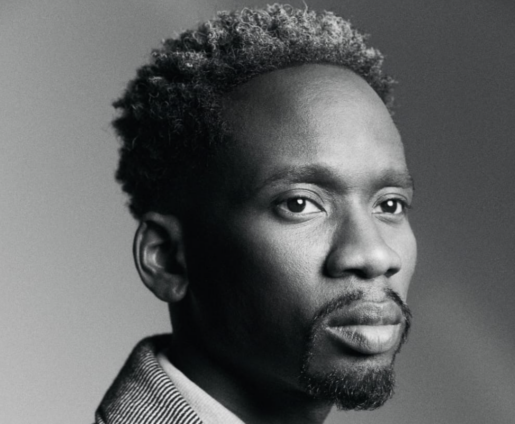
Afrobeats icon Mr Eazi has continued to support betPawa’s Locker Room Bonus, which has moved $1.61 million to players across eight countries, one final whistle at a time. Women's teams get the same as men's.
The international version of the Mr Eazi story usually stops at the music, or at the fact that he invests. This is the more interesting third act: he is the Chairman of Choplife Gaming and the ambassador for a programme that has quietly transformed how footballers across eight African countries are paid.
The mechanics are almost aggressively simple. A domestic-league team wins. Within minutes, every player and every member of the technical staff receives money directly to their mobile phone. Not through the club. Not through the federation. To the player. A draw pays nothing.
betPawa published the verified numbers this week: over $1.65 million paid, 47,000 individual payments, 2,998 matches, 7,000 players, 387 clubs, and 8 countries.
For an audience that has spent a decade being told African football's problem is talent identification, the premise here is a useful corrective. The talent was never the problem. The plumbing was.
“Nobody's being rescued here,” Mr Eazi says. “These are real players, real wins, real money in their hands. You don't dress that up. It has to be real. They earned it.”
The refusal in that line is the point, and it is the thing that distinguishes this from the genre of celebrity-fronted African development story that international audiences have learned to tune out.
Nobody is being lifted. Nobody is being saved. Somebody won a football match and got paid for it, quickly, which is what happens to winners everywhere else in the world.
The equal-pay element is where it stops being a payments story. Women's teams receive the same per-win bonus as men's. In Ghana, the Malta Guinness Women's Premier League and the men's Premier League are paid at an identical rate.
There is no separate women's initiative, no dedicated campaign, no ambassadorial pledge. There is one system that does not ask which league it is paying.
The architecture belongs to betPawa founder Kresten Buch, who has been consistent about what the programme is not.
“It's not charity in the sense that we are giving equal amounts of money to everyone,” Buch says.
“We are supporting competitiveness by paying the winners. It's an outcome-based payment.”
Buch's position has always been that this is an engineering question rather than a philanthropic one: build infrastructure that rewards results instead of bureaucracy, then let it run.
The programme is expanding into more leagues, markets and sports.
Latest Stories
-
Power restoration fault suspected in Kumasi Central Market fire
3 hours -
The 7-foot giant of Ngleshie Amanfro: Seven-foot Ghanaian Ephraim Saawa dreams of joining the national basketball team
4 hours -
Government promises support for Kumasi Central Market fire victims
4 hours -
Vibes The Movie: Big Ghun’s Ghanaian film earns five nominations at 2026 REFFA
5 hours -
MamaCare CEO warns unresolved conflicts among health workers could undermine maternal and neonatal care
5 hours -
Health professionals urged to translate medical knowledge into practice to save mothers
5 hours -
Conflicts among care providers linked to maternal, neonatal deaths – Expert
7 hours -
GIS marks 10th TIME conference, champions improved teaching practices
7 hours -
BRICS Or Balance? What Ghana’s bid really means
7 hours -
GPRTU wants full TRAFFITECH-GH implementation to start in 2027
7 hours -
Mahama announces plans to import electric wheelchairs for PWDs
8 hours -
KGL U17 Colts 2026: Western beat Prempeh Elite Academy to set up final final with Greater Accra Region
8 hours -
Late Solanke strike salvages 10-man Spurs draw at Man United
8 hours -
Gender Ministry to monitor welfare of Nana Akua Addo’s children amid domestic violence case
8 hours -
Benedict Okyere Yeboah: Ghana’s football problem goes beyond sacking a coach
8 hours