

Audio By Carbonatix
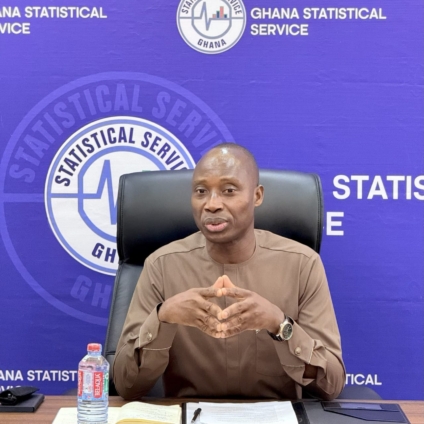
Multidimensional poverty in Ghana declined from 23.9% in the first quarter of 2025 to 21.9% by the third quarter, according to the latest Multidimensional Poverty Index (MPI) report released by the Ghana Statistical Service (GSS).
The report indicates that the decline reflects improving access to basic services and living conditions for many households.
Within a single quarter, more than 360,000 people exited multidimensional poverty between the second and third quarters of 2025. Overall, about 950,000 persons moved out of poverty between the third quarter of 2024 and the third quarter of 2025.
Despite the progress, regional inequality remains pronounced. The North East and Savannah Regions continue to record poverty incidence above 50%, while Greater Accra and the Western Region remain below 20%, highlighting persistent geographic disparities.
The rural–urban gap also remains wide, with poverty incidence in rural areas estimated at 31.9%, compared to 14.2% in urban areas, representing an 18-percentage-point difference.
According to the GSS, health and living conditions are the largest contributors to multidimensional poverty. Health-related deprivations account for 40.9%, largely driven by gaps in health insurance coverage. Poor living conditions contribute 33.8%, with overcrowding, inadequate nutrition, sanitation challenges, and housing conditions cited as key factors.
Education and employment continue to offer protection against poverty. Households with no formal education recorded a poverty incidence of 38.5%, compared to 5.7% among those with tertiary education.
Similarly, unemployed persons recorded a poverty incidence of 35.6 percent, while those in formal public and private sector employment recorded rates of about 5 percent.
The report also notes that vulnerable groups remain disproportionately affected, including persons with disabilities, households engaged in informal activities, female-headed households, and communities in high-poverty regions.
In addition, the share of the population facing a triple burden of unemployment, poverty, and food insecurity increased slightly. The proportion rose from 1.4% (208,000 people) in the second quarter of 2025 to 1.5% (227,500 people) in the third quarter.
The Ghana Statistical Service says sustained poverty reduction will require targeted social protection, expanded healthcare coverage, improved education outcomes, and decent job creation, particularly in rural and high-poverty areas.
Latest Stories
-
Gov’t to extradite foreign national who secretly filmed Ghanaian women to face prosecution – Sam George
53 minutes -
U20 WWC: Black Princesses to play Uganda in final round of qualifiers
59 minutes -
‘I will never forget you’ – Kennedy Agyapong thanks supporters, NPP delegates after primaries
3 hours -
Woman found dead in boyfriend’s room at Somanya
4 hours -
Woman feared dead after being swept away in Nima drain amid heavy rain
4 hours -
Court grants GH¢10k bail to trader who posed as soldier at 37 Military Hospital
5 hours -
Tano North MP secures funding to reconstruct decades-old Yamfo Market
5 hours -
Haruna Iddrisu discharged after road traffic accident
5 hours -
Kenyans drop flowers for Valentine’s bouquets of cash. Not everyone is impressed
5 hours -
Human trafficking and cyber fraud syndicate busted at Pokuase
5 hours -
Photos: First Lady attends African First Ladies for Development meeting in Ethiopia
6 hours -
2026 U20 WWCQ: Black Princesses beat South Africa to make final round
6 hours -
World Para Athletics: UAE Ambassador applauds Ghana for medal-winning feat
7 hours -
Photos: Ghana’s path to AU Chairmanship begins with Vice Chair election
7 hours -
Chinese business leader Xu Ningquan champions lawful investment and deeper Ghana–China trade ties
7 hours