

Audio By Carbonatix
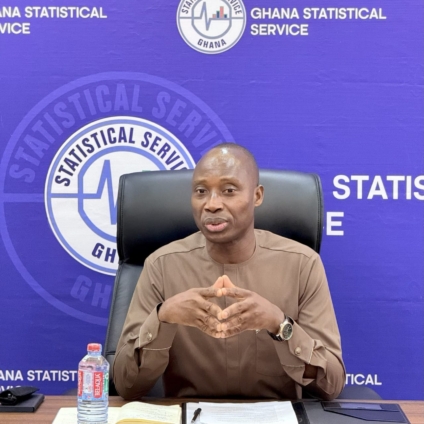
Multidimensional poverty in Ghana declined from 23.9% in the first quarter of 2025 to 21.9% by the third quarter, according to the latest Multidimensional Poverty Index (MPI) report released by the Ghana Statistical Service (GSS).
The report indicates that the decline reflects improving access to basic services and living conditions for many households.
Within a single quarter, more than 360,000 people exited multidimensional poverty between the second and third quarters of 2025. Overall, about 950,000 persons moved out of poverty between the third quarter of 2024 and the third quarter of 2025.
Despite the progress, regional inequality remains pronounced. The North East and Savannah Regions continue to record poverty incidence above 50%, while Greater Accra and the Western Region remain below 20%, highlighting persistent geographic disparities.
The rural–urban gap also remains wide, with poverty incidence in rural areas estimated at 31.9%, compared to 14.2% in urban areas, representing an 18-percentage-point difference.
According to the GSS, health and living conditions are the largest contributors to multidimensional poverty. Health-related deprivations account for 40.9%, largely driven by gaps in health insurance coverage. Poor living conditions contribute 33.8%, with overcrowding, inadequate nutrition, sanitation challenges, and housing conditions cited as key factors.
Education and employment continue to offer protection against poverty. Households with no formal education recorded a poverty incidence of 38.5%, compared to 5.7% among those with tertiary education.
Similarly, unemployed persons recorded a poverty incidence of 35.6 percent, while those in formal public and private sector employment recorded rates of about 5 percent.
The report also notes that vulnerable groups remain disproportionately affected, including persons with disabilities, households engaged in informal activities, female-headed households, and communities in high-poverty regions.
In addition, the share of the population facing a triple burden of unemployment, poverty, and food insecurity increased slightly. The proportion rose from 1.4% (208,000 people) in the second quarter of 2025 to 1.5% (227,500 people) in the third quarter.
The Ghana Statistical Service says sustained poverty reduction will require targeted social protection, expanded healthcare coverage, improved education outcomes, and decent job creation, particularly in rural and high-poverty areas.
Latest Stories
-
Mahama endorses ADB at Kwahu Business Summit
6 minutes -
Every gram will be tracked – Gold Board unveils traceability push to deal with illegally-mined gold
12 minutes -
Analysis: Why the Bank of Ghana sold half its gold reserves
20 minutes -
Buy wrong gold, face prosecution – Gold Board CEO cracks down on rogue dealers
22 minutes -
Africa pushes integrated health agenda ahead of One Health Summit in Lyon
60 minutes -
We own the strategy, its not head office decision – GCB MD positions bank as engine of Ghana’s economy
1 hour -
No more waiting for head office – GCB boss pushes Ghana-first banking
2 hours -
Mahama lauds Julius Debrah for shaping Kwahu Business Forum
2 hours -
Why actors beg in difficulty – Patience Ozokwor on Nollywood financial struggles
2 hours -
Any man who apologises to woman deserves to suffer – Brymo
2 hours -
Nigerian artistes no longer put effort into making music – Omah Lay claims
2 hours -
‘I’m now skeptical about going into politics’ – Davido
3 hours -
Nigeria’s Seplat Energy resumes operations as oil workers halt strike action
3 hours -
Nigeria launches manhunt after abductions by bandits in northwest Zamfara
3 hours -
Kenya fuel executives resign as state probes supply chain irregularities
3 hours