

Audio By Carbonatix
As the rainy season intensifies across Ghana, the threat of flooding looms over major cities, and Kumasi is no exception. But for the Ashanti Regional Director of the National Disaster Management Organisation (NADMO), Mohammed Nasir Ibrahim, the real disaster would be ignoring the warning signs.
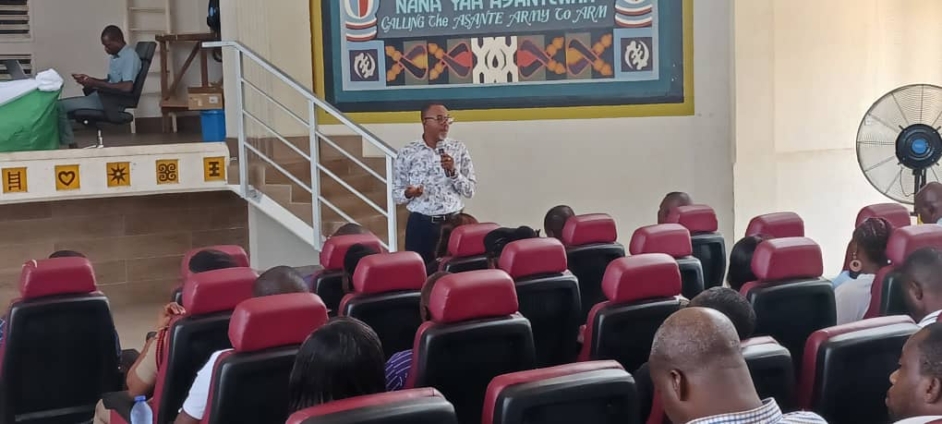
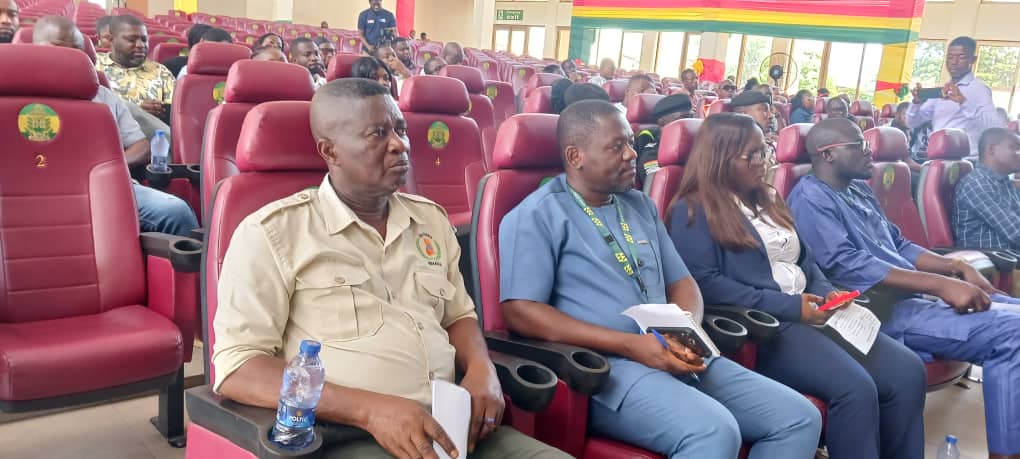
Speaking at a table simulation exercise for staff and management of the Kumasi Metropolitan Assembly and other nearby metros, Mr Ibrahim issued a call to action that prevention is cheaper than response, and collaboration is the key to saving lives.
He said disasters don’t wait, and neither should the systems meant to prevent them. He emphasised the urgent need for a well-coordinated contingency plan that brings together government agencies, local authorities, business entities, and even philanthropists to take proactive steps.
“We can’t leave the work to NADMO alone,” he said, adding that desilting choked drains, dredging streams, and proper waste management require collective effort. “We can prevent, we can reduce the impacts even when the rains come.”
Ghana’s second-largest urban sprawl, Greater Kumasi, is no stranger to the devastating impact of floods. Mr Ibrahim identified several high-risk areas, including KTI/WAEC, Anloga Junction drains, Sepe Buokrom, South Africa, and the Airport Roundabout, which are already clogged with waste and debris.
In outlining NADMO’s contingency strategies for Kumasi, including Adum and Dichemso, Mr Ibrahim stressed a comprehensive approach built around four pillars: prevention, preparedness, response, and recovery.
Key components of this blueprint include early warning systems, community education and awareness campaigns, capacity building for local disaster teams, improved infrastructure and environmental management, prepositioning of relief logistics, and clear roles and coordination among stakeholders.
He stated that, without planning and training, "we’ll always be reacting after lives are lost. But with strong preparedness, communities would build resilience, and that saves both lives and resources."
Mr Ibrahim's remarks come at a time when cities like Accra and Kumasi are grappling with weather extremes and rapid urbanisation. Yet, the message, he said, is clear, and that even with limited resources, disaster prevention is possible, but only if everyone acts before the storm hits.
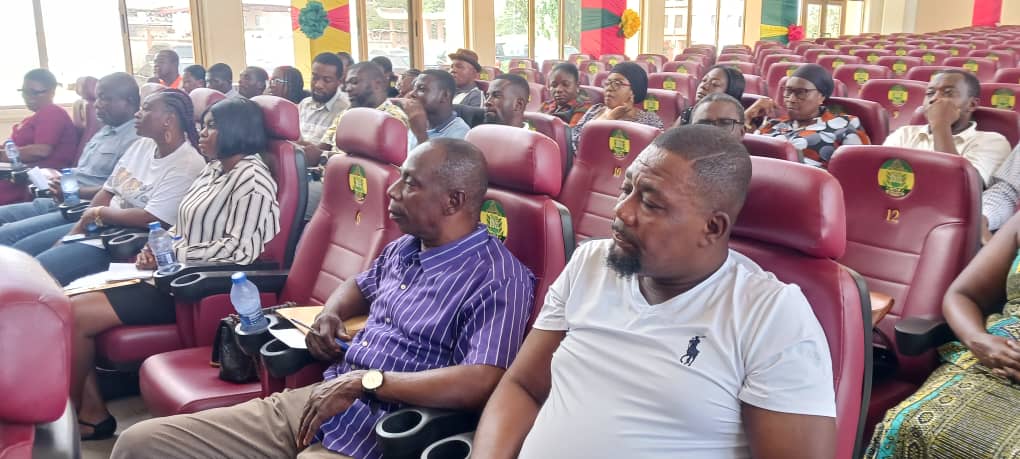
Participants at the capacity-building workshop described the experience as an eye-opener. Many admitted they had little knowledge of the root causes and solutions to some of the disasters they’ve witnessed in their communities until now.
Latest Stories
-
Ablakwa receives Presidential Special Envoy on Reparations to advance global agenda
5 minutes -
Christina Koch becomes first woman to travel around the moon on Artemis II
16 minutes -
Epstein survivors’ calls to meet King Charles and Queen harder to ignore as US visit approaches
21 minutes -
UN Secretary-General names Ghana’s Anita Kiki Gbeho as South Sudan envoy
23 minutes -
Mali withdraws recognition of Sahrawi Republic, backs Morocco’s autonomy plan
28 minutes -
Gov’t distributes over 8,500 laptops to One Million Coders project
29 minutes -
Julius Debrah, ‘man to beat’ as NDC’s James Agbey dismisses Musah Dankwah’s polls
35 minutes -
GPRTU in Savannah Region to protest alleged eviction in Damongo
1 hour -
Re: Reinsurance does not replace process — A response to the SIGA–SIC defence
1 hour -
Gender Ministry supports Harriet Amuzu in ongoing abuse case
2 hours -
AG joins plaintiff to scrap OSP ?: We should be mindful of the mischief in this – Bobby Banson
2 hours -
Samson Lardy Anyenini questions willingness of Attorneys-General to prosecute political colleagues
2 hours -
It is only fair the OSP is heard in Supreme Court case – Bobby Banson
2 hours -
Asiedu Nketia resumes Ashanti tour, second leg kicks off on Sunday
2 hours -
NLA denies salary cut claims, threatens legal action over reports
2 hours