

Audio By Carbonatix
The New Patriotic Party's (NPP) running mate, Dr Matthew Opoku Prempeh, has highlighted the significant achievements of Ghana’s Free Senior High School (SHS) policy, stressing its positive impact on educational outcomes and equity.
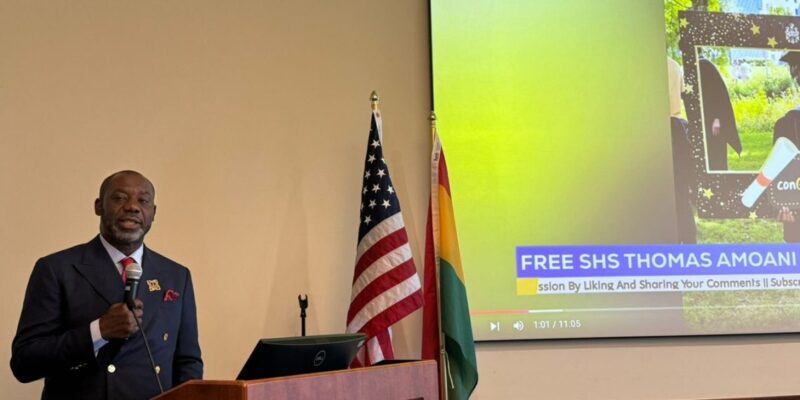
Speaking at the University of Memphis on Saturday, October 19, Dr Prempeh, widely known as NAPO, affirmed that the Free SHS programme has expanded access to education, particularly for disadvantaged students, while refuting claims that it has compromised the quality of education.
As the former Minister of Education during the policy’s implementation in 2017, NAPO emphasized that the initiative has strengthened academic performance and helped reduce educational inequality nationwide.
He noted that the programme has allowed more students to pursue secondary education without the financial obstacles that once hindered many Ghanaian families.
Dr Prempeh also highlighted the long-term benefits of the Free SHS policy, describing it as a vital investment in Ghana’s future.
He underscored that the programme is shaping a more educated and skilled workforce, which is essential for driving national development and improving the country's global competitiveness.
In addressing criticisms, NAPO reiterated that the Free SHS initiative has maintained educational standards and continues to foster greater opportunities for all students, regardless of their financial background.
“It is important to state that a cursory analysis of core subject performance from 2015 to 2023 points to a significant improvement in the past 5 years. For the 2022- and 2023-year groups, for example, more than 60% of candidates obtained A1-C6 in all core subjects, which are the qualification grades required for admission into a tertiary institution in Ghana."
“In fact, the 2023 results in this context are the best in 9 years. This, clearly, further refutes the argument by some naysayers that the Free Senior High School Policy was to compromise quality education."
“The equity component of the Free SHS programme has been crucial. Beyond removing financial barriers, we actively ensured that children from disadvantaged backgrounds could access our top schools. This led to the introduction of the 30% equity policy, reserving 30% of spaces in top schools for children from public basic schools, who often come from deprived backgrounds but had performed well in their final junior high school exams the BECE considering their backgrounds and other challenges within their study environment," he stated.
Latest Stories
-
Arteta calls for perspective as Arsenal look to avoid slump
6 minutes -
Kasoa Old Market traders given final eviction notice ahead of redevelopment
9 minutes -
GH¢15 sachet water price is a ceiling, not fixed – Producers clarify
13 minutes -
Morocco reports 7% rise in first-quarter tourist arrivals
16 minutes -
Calm returns to Adjen Kotoku Market following onion traders’ clash
16 minutes -
One dead, six in critical condition in Gomoa Fetteh accident
19 minutes -
GNFS responds to multi-vehicle crash at Ayi Mensah, urges caution
22 minutes -
Kaneshie footbridge closure raises safety concerns as pedestrians demand urgent repairs
25 minutes -
Clock ticks on Trump’s Iran ultimatum with little sign of breakthrough
27 minutes -
Be value creators for national development – KGL boss challenges private sector
33 minutes -
Bishop Asuamah urges hope, peace amid global and local conflicts
37 minutes -
Morocco stopped fewer illegal migration attempts in 2025 as route shifts
37 minutes -
Ahmed Ibrahim climaxes Easter with call for national sacrifice, fervent prayers
39 minutes -
NMC commits to reviving Media Advisory Committees
41 minutes -
Mahama’s administration unfriendly to cocoa, cashew farmers – NPP scribe
47 minutes