

Audio By Carbonatix
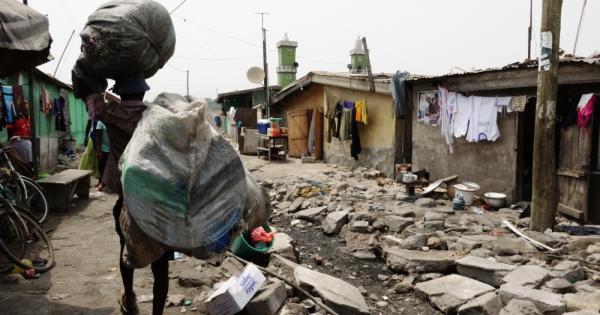
A new report published by the Ghana Statistical Service (GSS) has revealed that nearly one in every three households in Ghana lives in a slum or informal settlement.
Titled, “The Slums and Informal Settlements Report”, the survey indicated that 29.5 percent of Ghanaian households—representing an estimated 4.8 million people reside in conditions that fall below acceptable standards of housing and urban planning.
Speaking at the launch, the Government Statistician, Dr. Alhassan Iddrisu, described the findings as a wake-up call for policymakers. He emphasized the need for coordinated action, particularly at the local government level, to address the widening inequality within Ghana’s urban spaces. According to him, the report should inform budget planning and development strategies in districts and municipalities across the country.
The data showed significant regional disparities. The Greater Accra Region recorded the highest proportion of slum dwellers in rented accommodation, at 52.5 percent, followed by the Ashanti Region at 51.8 percent. In contrast, other regions recorded much lower rates, highlighting a concentration of slum-related challenges in Ghana’s two most populous regions.
The report also draws attention to demographic trends, particularly among women living in slum areas. Women between the ages of 15 and 49 in these communities tend to have more children compared to their counterparts in non-slum urban areas. The total fertility rate among women in slums is 2.9 percent, slightly higher than the 2.5 percent recorded in non-slum settings. The Northern Region emerged with the highest total fertility rate at 4.1 percent, while the Greater Accra Region recorded the lowest at 2.3 percent.
Despite increasing urbanisation, the report found that only about 10 percent of localities in Ghana are classified as urban. At the same time, slum characteristics remain widespread, with 46 percent of all households showing at least one slum feature. About 34.1 percent of neighbourhoods and 26.6 percent of localities across the country also meet the criteria for being classified as slums.
The GSS report calls for an urgent rethinking of housing and urban development policies, particularly in light of the growing urban population and the persistent lack of adequate infrastructure. It suggests that targeted interventions in housing, sanitation, family planning, and social services could help stem the expansion of slums and improve the quality of life for millions of Ghanaians.
Dr. Iddrisu urged decision-makers not to shelve the report but to use the data as a tool to tackle inequalities and inform planning at all levels of governance. “This data must not be shelved. It should inform how we plan, allocate resources, and intervene at the local level to reduce disparities,” he said.
Latest Stories
-
Ghana Faces Sierra Leone Moment as Prosecutorial Powers come under strain
4 minutes -
Don’t consume fish or seafood from Tema Shipyard until further notice – FDA warns
8 minutes -
Why volunteering might be Africa’s most underrated career accelerator
15 minutes -
ActionAid Ghana raises concern over gender gaps in Feed Ghana Programme
17 minutes -
Windstorm wreaks havoc in Gushegu, displacing nearly 2,000 residents and damaging schools
19 minutes -
Friends of Bridget Bonnie Marks her 35th birthday with donation to Kasseh Model Health Centre
1 hour -
From Ekumfi Kokodo to the Pulpit Stage: Essi Donkor’s gospel journey takes shape
1 hour -
Landfilling waste management creates no value, it’s an economic waste
2 hours -
Photos: Speaker Bagbin Commissions MPs constituency office under parliamentary decentralisation programme
2 hours -
Black Stars technical advisor Winfried Schäfer sacked as GFA shakes up backroom staff
2 hours -
Wenchi water project almost complete, critical to gov’t agenda – GWL MD
2 hours -
Anti-LGBTQ+ bill not part of government’s legislative agenda – Inusah Fuseini
2 hours -
Anti-LGBTQ Bill: Forget the rumour mongers, I’m a man of action, and will pass the bill – Speaker
3 hours -
Women and children among those killed in Sudanese army shelling of wedding celebration
3 hours -
President Mahama is not sincere with Ghanaians on LGBTQ bill matter – Hassan Tampuli
3 hours