

Audio By Carbonatix
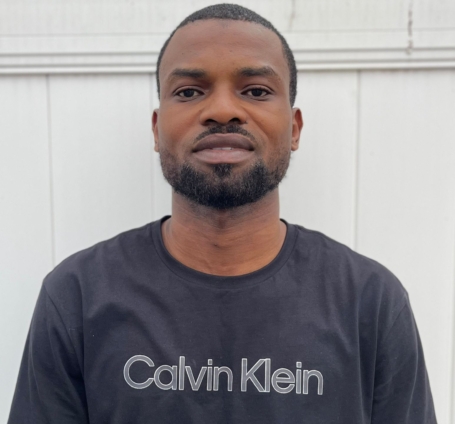
In a time when mental health remains a pressing yet under-addressed issue across the continent, few voices have been as unwavering and impactful as that of Mr Temitope Aborisade, a distinguished Nigerian psychologist and mental health therapist. In an interview, Mr Aborisade shared powerful insights into his mission to transform mental health care in Nigeria and beyond.
With both a bachelor’s and master’s degree in Psychology from Obafemi Awolowo University, Ile Ife, Nigeria, Mr Aborisade’s journey is deeply rooted in academic excellence and a strong desire to serve vulnerable populations.
He is the founder of the Mental Health Support Initiative (MHSI), a non-profit organisation based in Osun State, Nigeria, which is dedicated to monitoring mental health trends and providing psychosocial support across Nigeria and Africa.
“Mental health is a silent pandemic,” Mr Aborisade emphasised during the interview. “We are facing rising cases of depression, anxiety, and suicide, especially among youth and underserved communities. Through MHSI, we have conducted rural outreach programs to educate people, reduce stigma, and make mental health services accessible in remote areas.”
Before founding MHSI, Mr. Aborisade volunteered with the Africa Project Against Suicide (APAS), where he led teams providing psychological support to individuals struggling with suicidal thoughts. Under his leadership, APAS successfully referred numerous at-risk individuals to appropriate mental health facilities. His work, often carried out quietly and with limited resources, has drawn continental attention, earning him respect among Africa’s growing network of mental health advocates.
When asked about the biggest challenges in addressing mental health, Mr. Aborisade pointed to stigma, lack of funding, and limited access to trained professionals. “Many people don’t seek help because they’re afraid of being labelled or misunderstood. We need to normalise conversations around mental health, especially in schools, workplaces, and homes.”
Looking ahead, Mr. Aborisade hopes to collaborate with organisations across Africa to expand mental health education and training. “Africa needs a unified front in tackling this crisis,” he said. “We must train more therapists, develop culturally relevant care systems, and push for stronger mental health policies.”
Mr. Aborisade’s unwavering commitment, academic rigour, and grassroots approach make him a beacon of hope in Africa’s mental health landscape—a cause he continues to champion with empathy, resilience, and purpose.
Latest Stories
-
GPL 2025/26: Dreams FC stage stunning comeback to hammer Eleven Wonders
1 hour -
Livestream: The Probe examines Kumasi’s looming water crisis
1 hour -
MTN Ghana gears up to lead Africa’s AI revolution
1 hour -
Philanthropist Alhaji FuZak donates Da’wah bus to Ambariya Sunni community
2 hours -
GUTA calls for suspension of Publican AI system over trade disruptions
2 hours -
TTAG raises alarm over proposed recruitment of 7,000 teachers, demands national posting roadmap
2 hours -
Civilians feared killed after reports of air strike on Nigerian market
2 hours -
Bishop Simon Kofi Appiah installed as new Jasikan Diocese Bishop
2 hours -
Trump’s Strait of Hormuz blockade threat raises risks and leaves predicaments unchanged
2 hours -
US Court backs extradition of former MASLOC CEO Sedina Tamakloe-Attionu to Ghana
3 hours -
Seven arrested as NAIMOS dismantles illegal mining camp, seizes firearms at Boin River
3 hours -
Fire erupts at Madina Ritz Junction, destroys multiple wooden structures and containers
3 hours -
Daniel-Kofi Kyereh returns from long-term injury, registers assist for Freiburg U23
3 hours -
Knifeman calling himself ‘Lucifer’ slashes three at NYC’s Grand Central
3 hours -
Brands are built from within to without
3 hours