

Audio By Carbonatix
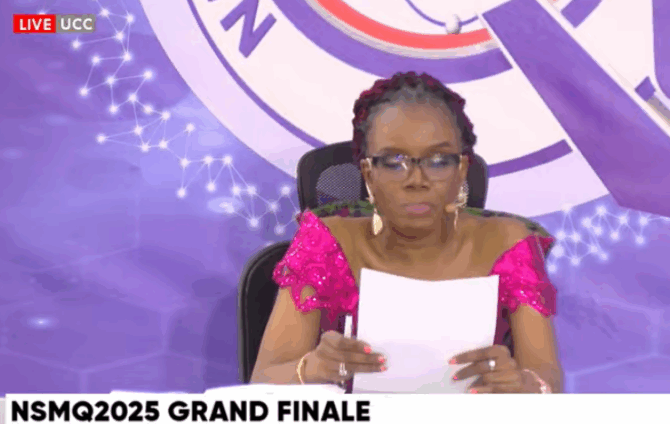
The Dean of the University of Ghana School of Engineering Sciences and Quiz Mistress of the National Science and Maths Quiz (NSMQ), Professor Elsie Effah Kaufmann, has made an appeal for responsible and sustainable mining practices in Ghana, warning of the grave dangers posed by mercury pollution.
Her call came during the fourth round of the grand finale of the 2025 National Science and Maths Quiz, where she posed a chemistry question on mercury toxicity to the contestants.
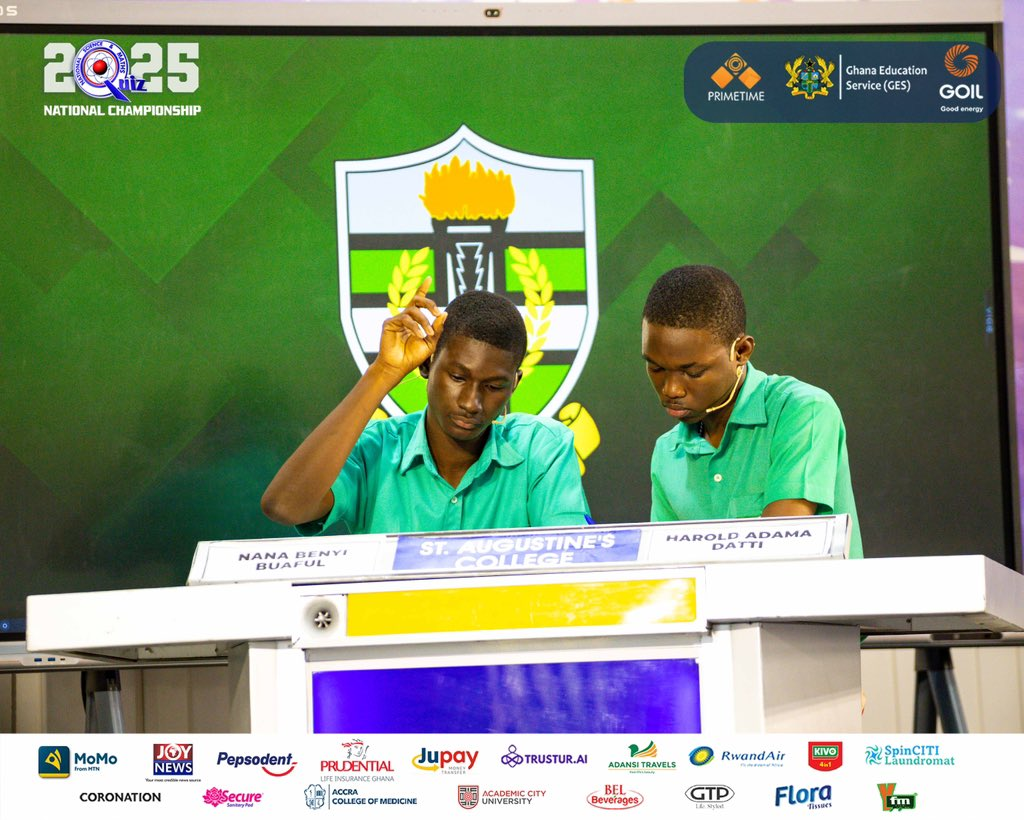
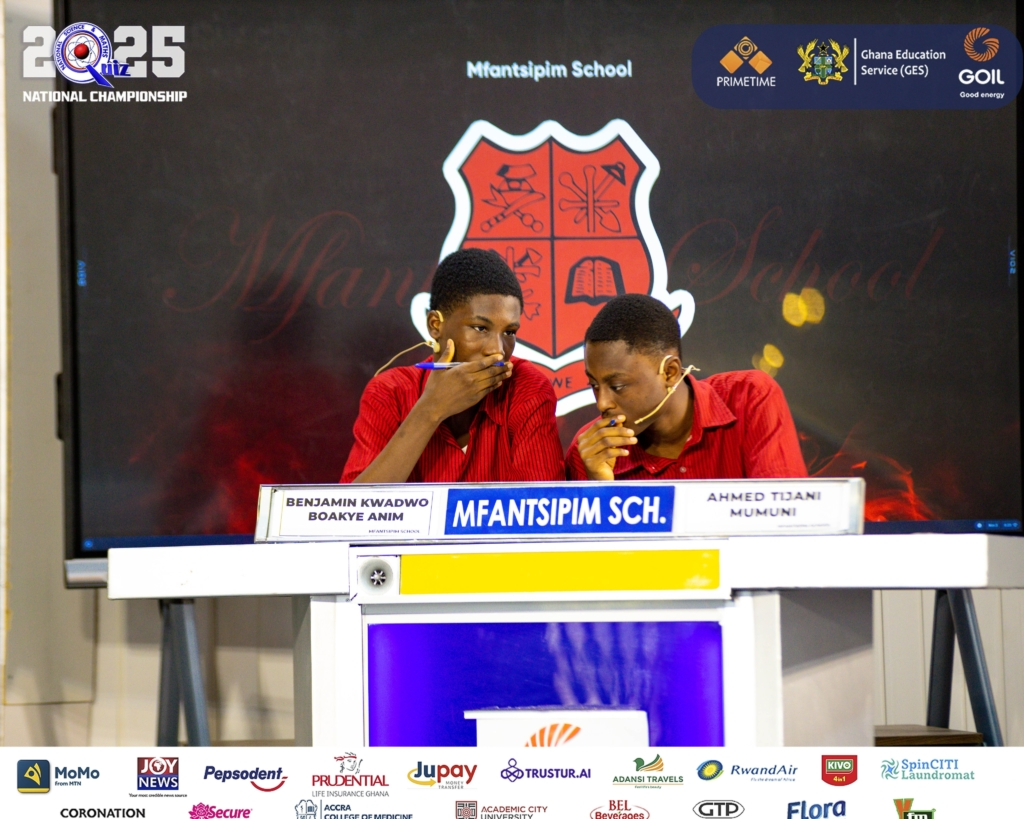
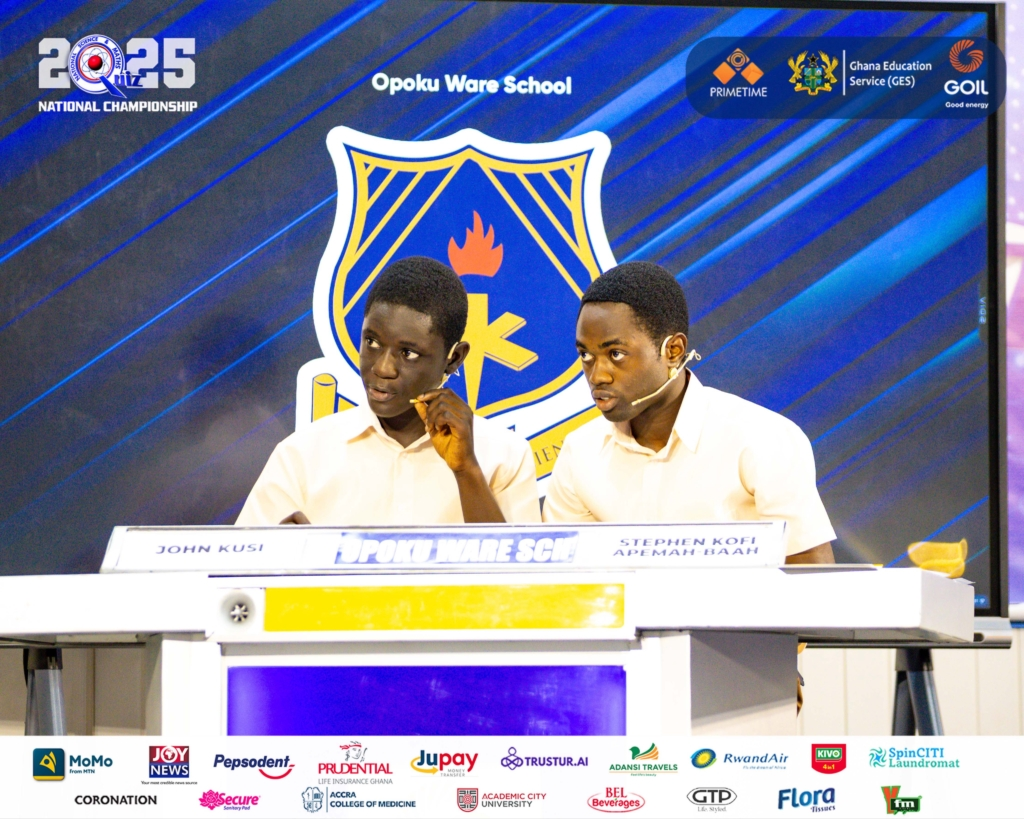
Defending champions Mfantsipim School went head-to-head with their Cape Coast rivals St. Augustine’s College and Ashanti Regional champions Opoku Ware School in the ultimate showdown of the 2025 National Science and Maths Quiz (NSMQ).
The question stated: “Elemental mercury is far more toxic than organo mercury compounds as the body can easily excrete the organic form — true or false?”
Contestants from St. Augustine’s College correctly answered “false”, prompting Prof. Kaufmann to use the moment to educate the audience about the dangers of mercury, particularly its impact on health and the environment.
“Let me tell you something about mercury,” she began. “Mercury and other heavy metals that are released from mining activities are toxic to us, even in very small, minute quantities. They are extremely toxic; they never break down, they never go anywhere, and they can be converted into even more toxic forms.”
She explained that organic forms of mercury, such as methylmercury, are up to 100 times more toxic than the elemental form.
These compounds, she said, accumulate in the bodies of humans and fish, eventually finding their way into drinking water, food crops, and aquatic life.
“They enter our drinking water, fish, and crops, and they can affect everyone everywhere,” she cautioned. “Some of the effects include brain and nerve damage especially in children, kidney failure, lung damage, high blood pressure and heart attacks, as well as damage to the immune system,” she said.
Professor Kaufmann urged Ghanaians, particularly those involved in the mining industry, to balance economic activity with environmental protection.
“Yes, we have to mine,” she acknowledged, “but let’s think about what happens to us tomorrow. We are creating an increasingly toxic environment for our children and future generations. Please, let’s mine sustainably,” she counselled.
Latest Stories
-
Accountability Forum calls for forensic audit in COCOBOD finance
10 minutes -
UBA unveils diaspora platform to connect global Africans with investment, wealth opportunities
10 minutes -
What deadly Burkina Faso ambush says about our unfinished Agric Promises
11 minutes -
Prioritise dignity over sensationalism in reporting on children – Media urged
16 minutes -
NDC urges cocoa farmers to remain calm amid price drops
18 minutes -
Ghana moves to allow dual citizens in key public offices
23 minutes -
Veep urges public service agencies to promote equity through organisational culture
30 minutes -
Guinea-Bissau stops vaccine study funded by Trump administration
33 minutes -
Nigeria directs all oil, gas revenues to federation account in sweeping reform
44 minutes -
Sumbrungu residents block highway, demand speed ramps
45 minutes -
Prof Peprah says Gold Board’s biggest threat isn’t gold, it’s financing
55 minutes -
New cocoa producer price takes effect Friday
1 hour -
US agency sues Coca-Cola bottler over employee event that excluded men
1 hour -
German court orders X to grant data access for Hungary election research
2 hours -
Use today’s gold windfall to insure Ghana’s future – Prof Peprah urges gov’t
2 hours