

Audio By Carbonatix
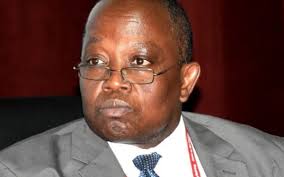
Former Auditor-General, Daniel Yaw Domelevo says the use of contingency vote in sponsoring preparatory works for the construction of the National Cathedral is unconstitutional and could provide a breeding ground for plundering the state's coffers.
This follows a revelation by Finance Minister, Ken Ofori-Atta at his impeachment hearing before Parliament’s Adhoc Committee in November 2022 that the contingency vote is a line under the "Other Government Obligations" vote which is approved by the Finance Committee and passed as part of the annual Appropriation Acts by Parliament.
According to him, in preparing the Annual Budget, the practice is that provision is made for indicative expenditures that have not been fully costed at the time of the budget presentation and provisions are made in the Contingency Vote to cater for such expenditures.
However reacting to the justification, Daniel Yaw Domelvo noted that there are clear constitutional guidelines on how contingency expenses should be made.
“We were told that it was an emergency as a result of which the Minister of Finance used the emergency vote in making that payment. At the same time the same Minister of Finance requested that there should be money paid into the Contingency Fund.
"Read the Auditor-General’s report, and it says that 1.2 million was paid into the Contingency Fund not the Vote and used for COVID which is clearly an emergency, an unforeseeable expenditure.
"So if the Cathedral was actually an unforeseeable expenditure which occurred, then it should be coming out of the Contingency Fund not the Vote. Why didn’t it come from there? Because the Contingency Fund is under the supervision of the Finance Committee of Parliament so there would be transparency and accountability there so they went in for this black box called the Contingency Vote and used that instead," he stated.
He also noted that “the constitution provided that the Minister, if he would not use the Contingency Fund, he must submit a supplementary budget to Parliament. There again there would be accountability and transparency and so to avoid this, the government decided to use the Contingency Vote which I must admittedly say has been in the books for several years and it gives the various Ministers of Finance a leeway of putting money there and can use it anyhow. And I call on Parliament to disallow that expenditure line. It is unlawful”.
Alarmed at the projection that such contingencies may cost the taxpayer over 14 billion cedis in the near future, Daniel Domelevo asked: “Why do we have to create such a contingency where there is no contingency for it? There is no accountability for it? It is a window for stealing. It is a window for wastage and must be stopped," he stressed.
Latest Stories
-
Mahama endorses ADB at Kwahu Business Summit
1 hour -
Every gram will be tracked – Gold Board unveils traceability push to deal with illegally-mined gold
1 hour -
Analysis: Why the Bank of Ghana sold half its gold reserves
1 hour -
Buy wrong gold, face prosecution – Gold Board CEO cracks down on rogue dealers
1 hour -
Africa pushes integrated health agenda ahead of One Health Summit in Lyon
2 hours -
We own the strategy, its not head office decision – GCB MD positions bank as engine of Ghana’s economy
2 hours -
No more waiting for head office – GCB boss pushes Ghana-first banking
3 hours -
Mahama lauds Julius Debrah for shaping Kwahu Business Forum
3 hours -
Why actors beg in difficulty – Patience Ozokwor on Nollywood financial struggles
3 hours -
Any man who apologises to woman deserves to suffer – Brymo
3 hours -
Nigerian artistes no longer put effort into making music – Omah Lay claims
3 hours -
‘I’m now skeptical about going into politics’ – Davido
4 hours -
Nigeria’s Seplat Energy resumes operations as oil workers halt strike action
4 hours -
Nigeria launches manhunt after abductions by bandits in northwest Zamfara
4 hours -
Kenya fuel executives resign as state probes supply chain irregularities
4 hours