

Audio By Carbonatix
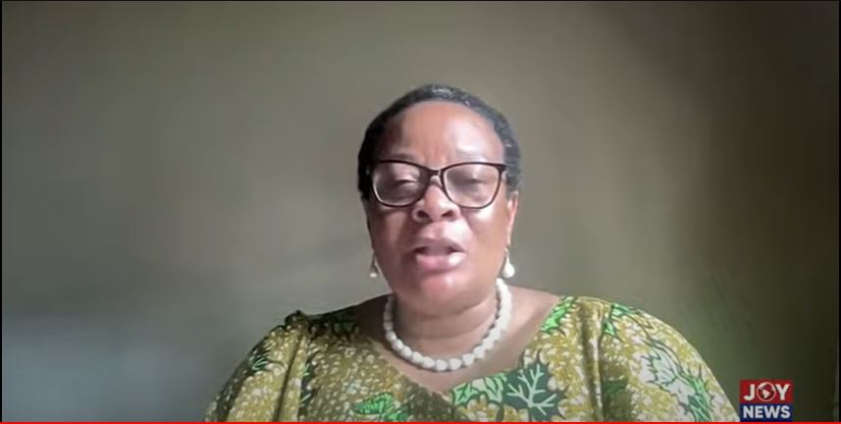
The Executive Director of the Ghana Integrity Initiative (GII), Mary Addah, has shed light on the shifting dynamics of vote-buying in Ghanaian politics.
Speaking on JoyNews’ PM Express, Madam Addah emphasised the increasing cleverness of voters in their approach to extracting benefits from political candidates.
Reflecting on past elections, the Executive Director noted a significant evolution in the perception and practice of vote-buying among Ghanaian citizens.
She indicated that in previous elections, voters were often swayed by seemingly insignificant gifts, which held little value. However, as time progressed, there has been a notable shift in the mindset of the electorate.
According to her, Ghanaian voters have become more enlightened and are now demanding what they believe is due them from candidates before voting in their favour.
“… As we have progressed, people have seen that people come into these political spaces just to acquire wealth, and enrich themselves and their cronies, so people have also become very intelligent and innovative in their asking.
“So you shouldn't be surprised to see that they are asking for more and they are getting more,” she said on Monday.
She further highlighted the extensive public discourse on vote-buying has over time permeated the society, leading to increased awareness and vigilance among the populace.
She observed that it is not uncommon for individuals to openly acknowledge instances of vote-buying and express a willingness to engage in the practice if presented with the opportunity.
Despite its prevalence, the Programmes Manager at CDD-Ghana Paul Abrompah asked for anti-crusaders to not throw in the towel.
He was hopeful that with the appropriate strategy, the menace could be curtailed.
Mr Abrompah therefore called on all Civil Society Organisations (CSOs) and anti-corruption crusaders to come up with a plan that would clamp down on the menace.
“In corruption and bribery, timing is of the essence, at what particular time was the money given? What action was being taken at the time the money was given? It is not the amount that was given, it is about the fact that something changed hands.
"So obviously, we’ve not done enough to curtail vote-buying during elections and it is time for all stakeholders to come together, fashion out a strategy, put more pressure on the system so that we see the desired result.”
Latest Stories
-
Catholic Bishops say moral values must match economic priorities in Anti-LGBTQ+ debate
19 minutes -
IGP Yohuno urges merit and hard work ahead of Police Academy exams
32 minutes -
Queendalyn Yurglee releases debut album ‘Clouds of Glory’
1 hour -
UDS moves to clear MPhil student wrongly linked to robbery case
1 hour -
Vodza Regatta 2026: Prof Audrey Gadzekpo rallies investors for coastal tourism growth
1 hour -
Introduction of 100 new Metro Mass buses won’t affect transport unions – GPRTU
2 hours -
Deputy Transport Minister backs Yellow Line traffic initiative
2 hours -
MTN Ashanti-Fest music concert set to hit Kumasi on Saturday
2 hours -
Authorities probe discovery of dead fish at Tema shipyard
2 hours -
Minority welcomes fuel tax cuts, demands accountability for GH¢1 levy
2 hours -
It remains a priority — Sam George on Anti-LGBTQ bill
2 hours -
Police arrest Nigerian national seen in viral videos wearing police uniforms
2 hours -
Free golf training empowers underprivileged girls in Accra
2 hours -
Why SIGA’s reset is not a market sin, but a national necessity
3 hours -
SIGA Directive: Beyond the theatre of institutional displacement
3 hours