

Audio By Carbonatix
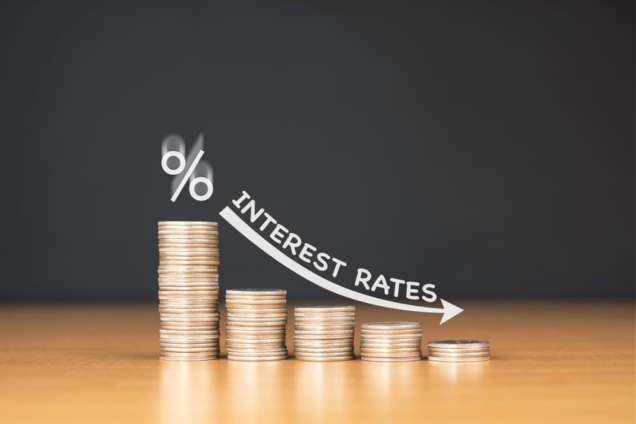
The policy rate of the Bank Ghana will go down by at least 1.0% to 13.50 percent at the end of the first half of this year, according to forecast by Fitch Solutions, research arm of ratings agency, Fitch.
The international research organization said the reduction in the Bank of Ghana’s base lending rate is expected to transpire in the Central Bank’s next meeting in March 2020 or possibly May 2020.
This is expected to be triggered by further lower inflation and improve growth rate in the first quarter of this year.
Furthermore, it said policy continuity by the government will result in a steady recovery in international and domestic investor sentiment, compelling the Bank of Ghana to trim its benchmark rate by a further 1.0% to 13.50%.
“Policy continuity following the likely return of the largely business-friendly New Patriotic Party government will result in a steady recovery in international and domestic investor sentiment, with the latter assisted by the BoG trimming its benchmark rate by a further 100bps to 13.50%, lowering borrowing costs for firms”.
This will further lower borrowing costs for firms and households.
Some analysts have also projected that the higher-than-expected deceleration in inflation to within the Central Bank’s target range is likely to provide strong support for a policy rate cut in the next Monetary Policy Committee meeting, subject to the outcome of February inflation, which faces immediate risks from higher crude oil prices.
However, the policy rate cut is necessary to energise economic activity in the midst of the second wave of covid-19 infections in the country.
Additionally, the authorities are keen to reduce government’s cost of borrowing in the midst of rising public debts. Already, we have seen some reduction in the cost of yield on Treasury bills.
Policy rate maintained at 14.5%
The Bank of Ghana kept it policy rate-the rate at which it lends to commercial banks at 14.5%.
It cited the balance of risks to inflation and growth as the rationale behind the unchanged policy rate.
“Risks to inflation in the near-term are broadly contained, but short to medium-term risks emanating from the fiscal expansion and rising crude oil prices are emerging.”
The unchanged policy rate meant cost of loans will remain same at least for the next two and half months, unless some factors ease it slightly.
Latest Stories
-
$31bn transferred without matching imports in five years — GRA boss
4 minutes -
JoyNews Impact Maker, Williams Akongbabre, presents award to people of Bawku West
5 minutes -
Kenya backs Morocco’s autonomy plan for Western Sahara, signals push for implementation
12 minutes -
Hip-hop pioneer, Afrika Bambaataa, dies aged 68
20 minutes -
Let OSP defend itself in Supreme Court case — Prof Prempeh
29 minutes -
Emmanuel Kweenu Haizel aka Simpa Panyin
30 minutes -
Police foil planned highway robbery in Ashanti Region, one suspect shot dead
36 minutes -
Sunyani Technical University dismisses 3 students over examination malpractice
2 hours -
NPRA prosecutes 11 employers, recovers GH¢27m in 2025
2 hours -
NAIMOS cracks down on illegal mining activities along River Tano
2 hours -
2026 World Cup: Officials selected are the world’s very best – FIFA defends referees list
2 hours -
NAIMOS taskforce embarks on major anti-galamsey operations at GREL plantation and along Ankobra River
2 hours -
Akufo-Addo arrives in Cotonou to lead ECOWAS mission to observe Benin presidential election
2 hours -
AMA, Mexican Embassy renew commitment to strengthen bilateral cooperation, deepen sister-city ties
2 hours -
Bolt pushes for expanded support for women-owned enterprises
2 hours