

Audio By Carbonatix
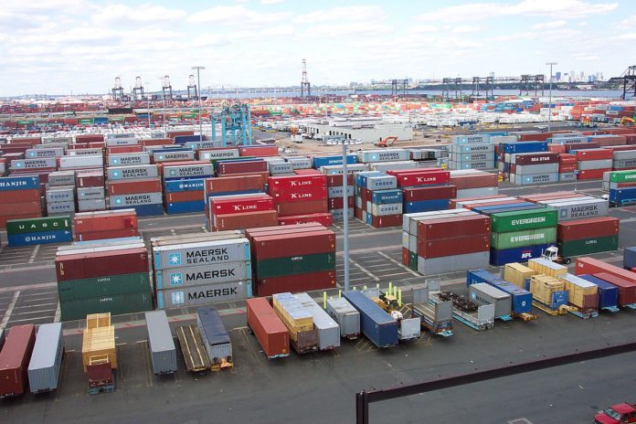
The President of the Ghana Union of Traders Association (GUTA) is blaming the halt in traffic at the ports on the expensive nature of doing business.
Dr Joseph Obeng said currently, the cost of doing business is extremely expensive, which is frustrating for entrepreneurs because, as compared to their fellow colleagues in neighbouring countries, they [traders] are losing out rather than making a profit.
He, therefore, stated that due to this, most businesses are conducting business and buying goods through the ports of neighbouring countries such as Togo.
“The business that we do, we do not do it in isolation. We are doing it in competition with the neighbouring countries. With the continental free trade area. We are completely irrelevant and we are out of it because the cost of doing business is extremely, very high.
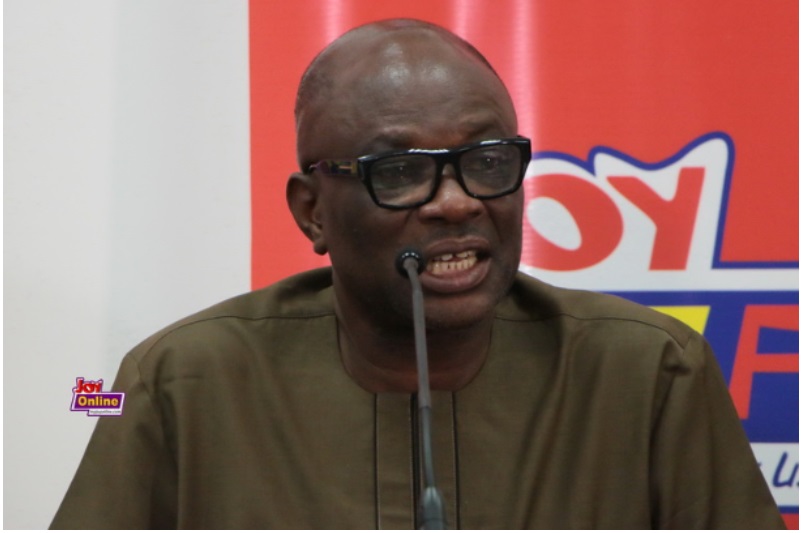
“Even among the cross-border trading activities that we do along the West Africa sub-region, we are also losing out. Even to Togo. That's why you hear so many people going to Togo to buy goods every now and then."
Dr Obeng further added that the inflation that was being experienced in Ghana was also attributable to the decline in traffic at the ports.
He explained that since the burden inflicted on both the trading community and consumers by inflation is excessive, it made the consumer unable to purchase products in the quantity that they used to do prior to inflation.
The effect of this on the trader, he highlighted, was that they also found it difficult to service their loans, which also affected their business.
“Trading thrives on turnover. And that if your turnover is curtailed because the consuming public’s purchasing power has been lessened because of the inflation that we have, are unable to buy the volumes that they used to buy, it means that we [the traders] are unable to service our loans because your turnover is curtailed,” he explained.
Additionally, he pointed out the disadvantages associated with the excessive taxation that was imposed on services at the port.
He stated that since some people would want to evade the taxes, they either smuggle their goods or avoid the mainstream ports and channel their goods through other areas.
Latest Stories
-
Iran war lands ‘triple blow’ to flood-ravaged Sri Lankans
25 minutes -
Gunmen kill at least 11 people at Afghanistan picnic spot
39 minutes -
Woman, 25, in court for stealing baby at Bogoso
40 minutes -
Trump unveils giant gold-accented victory arch design for US capital
43 minutes -
We spoke to the man making viral Lego-style AI videos for Iran. Experts say it’s powerful propaganda
48 minutes -
Hungarians vote in big numbers on whether to end Orbán rule and elect rival
49 minutes -
At least 30 feared dead in crush at Haitian tourist site
49 minutes -
Boxing: Abdul Ahmed wins WBA Africa Cruiserwight title after dispatching Nigeria’s Eradeye
1 hour -
Nearly 2,000 displaced, schools damaged as windstorm wreaks havoc in Gushegu
1 hour -
Ghana’s Derrick Kohn to work under Marie-Louise Eta as she becomes first woman to coach men’s Bundesliga team
1 hour -
Accra Open Championships conclude with strong performances ahead of African Championships
2 hours -
Ghana to begin camping with 12 athletes after Accra Open Championships – Bawa Fuseni
2 hours -
Anthony Joshua declines showdown with Tyson Fury but admits they ‘probably’ clash next
2 hours -
Tyson Fury dominates Makhmudov, calls out Joshua next
2 hours -
I have supported highway authority financially to fix roads in my constituency – A Plus
4 hours