

Audio By Carbonatix
Grace Ano Abbey, a Principal Executive Officer at the Department of Children in the Ministry of Gender, Children, and Social Protection, has identified poverty and irresponsible parenting as significant obstacles to the academic performance of girls in schools.
Abbey emphasized that the inability of some parents to monitor and support their children, combined with economic challenges, negatively impacts the educational journey of many girls.
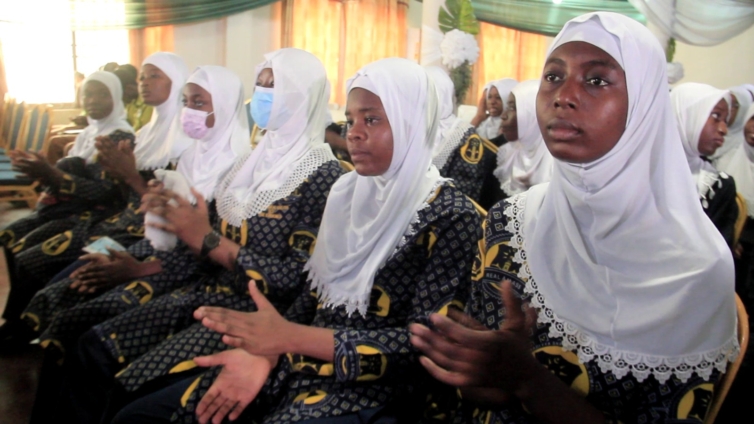
Speaking at the 14th Annual Conference of the Federation of Muslim Women's Association in Kumasi, Abbey highlighted the struggle faced by numerous girls in affording basic learning materials, which, in turn, has a substantial effect on their academic work.

The Ministry official underscored the importance of addressing these challenges to ensure that all girls have equal opportunities for academic success.
"The major challenges we have when it comes to girls is poverty, the basic things they need to go to school, they don't get it, some parents cannot afford those basic things," she said.
Abbey emphasized that some parents neglect their duty to supervise or monitor their children's education, showing indifference to whether their children attend school or not.
Abbey urged parents to actively support their daughters by providing essential items such as sanitary pads and learning materials. She stressed that these contributions are crucial for improving the academic performance of girls.

Additionally, Grace advised young girls to prioritize their education over excessive use of social media, highlighting the potential hindrance it poses to academic progress. Encouraging a focus on learning, Abbey emphasized the role of responsible parenting in creating an environment conducive to educational success for girls.
"Social media is always available, but they should focus on their studies so that they can excel and pursue careers as doctors and lawyers. Then, they can use social media more effectively," she added.
Hajia Hajara Mohammed Rufai, a Commission Member of the National Commission for Civil Education, underscored the adverse impact of insufficient educational facilities in the inner cities of Zongo communities on the academic development of children.
According to her, the absence of proper educational institutions poses a significant obstacle to the learning opportunities available to children in these areas.
Hajara Mohammed Rufai also pointed out additional challenges, including the lack of motivation and mentorship, which seriously deter children, especially girls, in Zongo areas from attending school. These issues, she emphasized, contribute to hindering the academic progress of children and underscored the need for concerted efforts to address these barriers to education in Zongo communities.
Latest Stories
-
Albert Kobina Mensah, soil pollution and remediation: Risk assessment, phytoremediation, revegetation
2 minutes -
GIFEC supports national rollout of One Million Coders Programme with laptop presentation
10 minutes -
Old Tafo MP rolls out street lights project to boost security and night-time economy
17 minutes -
Telecel Ghana CEO urges urgent education reform and stronger industry-academia partnership at UEW Public Lecture
27 minutes -
Nigerian army general and several soldiers killed in assault on military base in northeast
28 minutes -
Dagbamete chief urges completion of road project, expansion of vocational training
36 minutes -
Urgently cancel Truedare AI Customs deal over cost concerns – Joseph Cudjoe to Mahama
42 minutes -
Poor safety habits to blame for recurring boat fatalities — GMA boss, Kamal-Deen Ali
48 minutes -
Owabi 75% blocked, Barekese loses 40% capacity as siltation, plastics threaten water supply crisis
57 minutes -
Ashanti RCC seeks to clear unauthorised garages under new car mall initiative
59 minutes -
DPS International steals spotlight at Ghana Interschool Festival Part 2
1 hour -
Republic Bank Ghana PLC leverages Kwahu Business Forum deliberations
1 hour -
Ghana and Artemis II: Hospitality, Love, and Conquest
1 hour -
AMA enforces planning rules, demolishes wall built on public right of way
1 hour -
GFA urged to move for Welbeck, Nketiah amid injury concerns
1 hour