

Audio By Carbonatix
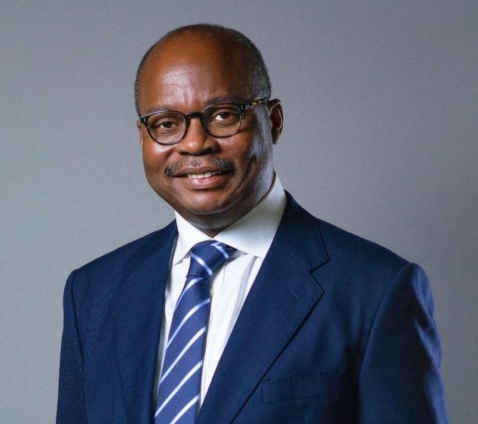
The Governor of the Bank of Ghana (BoG), Dr. Ernest Addison has appealed to parliament to prioritise the passage of the three revenue bills before the House to help the country complete processes for securing an International Monetary Fund (IMF) deal.
The revenue bills are the Income Tax Amendment Bill, the Excise Duty Amendment Bill and the Growth and Sustainability Amendment Bill – which are all key requirements for getting about $3 billion Balance of Payment support from the IMF.
When passed, the taxes are expected to rake in about ¢4 billion annually.
“The passage of the relevant revenue bills by Parliament will therefore conclude the required prior actions to advance Ghana’s programme to the IMF Executive Board,” Dr. Addison said during a press briefing to announce the decision of the Monetary Policy Committee on the policy rate.
He explained that this will be critical in resetting the economy on the path of recovery, including putting it firmly on a disinflation path and sustained growth.
“It is imperative that Parliament prioritizes the passage of the revenue bills currently before it. Under the Staff Level Agreement with the IMF, the Bank of Ghana and the Ministry of Finance have finalised a Memorandum of Understanding on zero financing to the budget, which will be signed shortly”, added.
He stressed that the fiscal outlook is contingent on financing of the budget and will require the conclusion of the domestic debt exchange programme as well as securing the requisite financing assurances from bilateral donors.
Dr. Addison is optimistic discussions with external creditors will be fruitful, making the revenue bills outstanding issues that must be quickly passed to attain economic sustainability.
“The domestic debt exchange, new revenue measures, and structural fiscal reforms will provide significant reduction of debt service and help create fiscal space”, assured.
Banking sector issues
He pointed out that the macro-prudential risk assessments conducted during the Monetary Policy Committee meeting indicated increased pressure on profitability and solvency of banks prior to the implementation of the DDEP.
He added that the preliminary data available to the committee show that the pre-pandemic capital buffers in the banking sector have been weakened somewhat by the recent macroeconomic challenges and the DDEP, although banks remain liquid.
This, he said requires contingency measures by banks, supported by the regulatory reliefs to contain potential risks to financial stability.
“The Bank of Ghana will continue to monitor these developments going forward, and stands ready to act very swiftly to safeguard the stability of the financial sector”.
Latest Stories
-
GPL 2025/26: Dreams FC stage stunning comeback to hammer Eleven Wonders
2 hours -
Livestream: The Probe examines Kumasi’s looming water crisis
2 hours -
MTN Ghana gears up to lead Africa’s AI revolution
2 hours -
Philanthropist Alhaji FuZak donates Da’wah bus to Ambariya Sunni community
2 hours -
GUTA calls for suspension of Publican AI system over trade disruptions
2 hours -
TTAG raises alarm over proposed recruitment of 7,000 teachers, demands national posting roadmap
3 hours -
Civilians feared killed after reports of air strike on Nigerian market
3 hours -
Bishop Simon Kofi Appiah installed as new Jasikan Diocese Bishop
3 hours -
Trump’s Strait of Hormuz blockade threat raises risks and leaves predicaments unchanged
3 hours -
US Court backs extradition of former MASLOC CEO Sedina Tamakloe-Attionu to Ghana
3 hours