

Audio By Carbonatix
In Ghana, unemployment and street begging have become synonymous with persons with special needs.
This is due to their inability to engage in income-generating activities.
Luv FM’s Emmanuel Kwasi Debrah finds out that although some of them are making the effort to be economically independent, their wares are rejected because of societal beliefs.
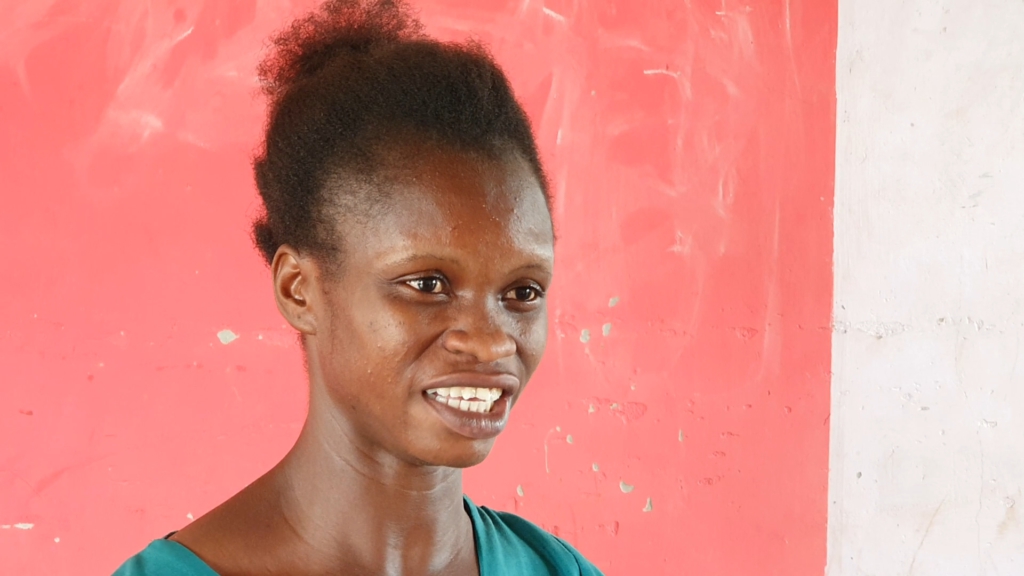
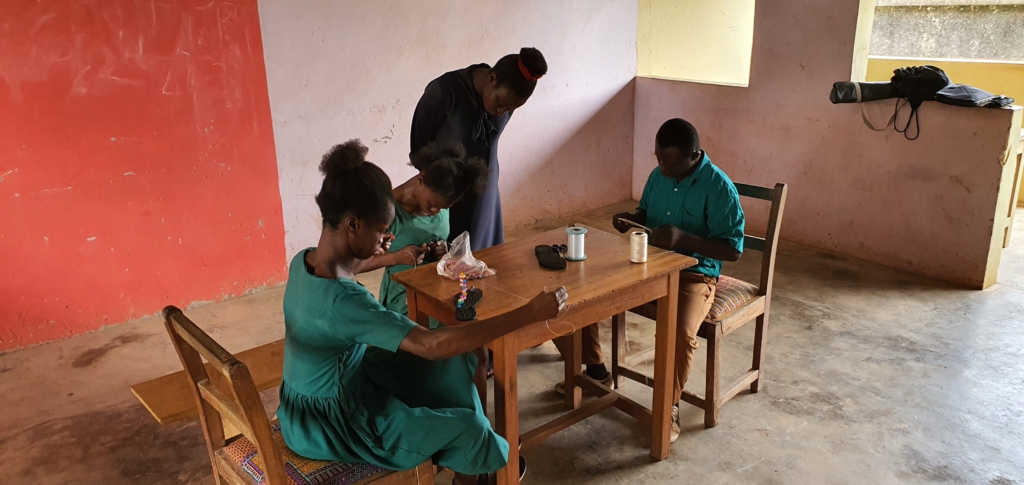
Esther and Emmanuel are individually working on a foot ware, while Genevieve happily strings up her beads. The special students would like to take up what they are engaged in as a vocation in the future.
“It makes me happy. I want to do slippers, chains and bags. That’s the job I want to do in the future,” Esther said.
Esther had an earlier dream of becoming a hairdresser. However, she faced rejection.
One of the tutors, Kofi Amona, revealed that another apprentice threatened to abandon the master if Esther was not made to quit her apprenticeship.
“She was there for some months but the other apprentice told their master to let them leave and true to their words, they left.
“The master also needed people to work with so she spoke with Esther’s parents to take her away, and after that the other apprentice came back,” he recounted Esther’s ordeal after meeting her parents during admission assessment.
Only feeding grants
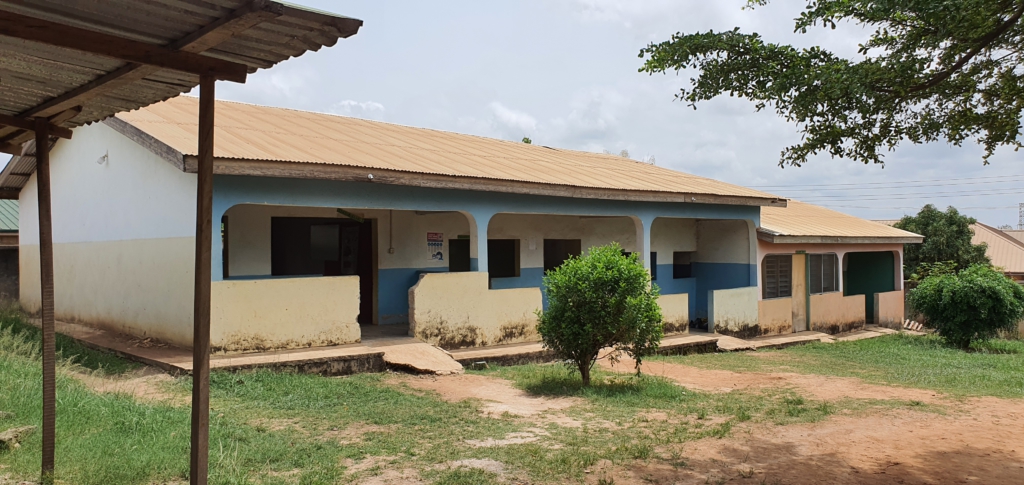
Life Community Special Vocational School at Deduako in the Ashanti Region of Ghana was established in 1996 for people with disabilities.
They are trained in gardening, housekeeping, textile design, candle making and bead making.
Constance Agyei Kissiwaa who is in charge of leather works admits that teaching special children isn’t an easy task. She says it demands great love and patience.
“Managing them is very difficult but due to their condition, when you’re teaching them, you need to have patience and to love them also,” she said.
Constance handles a class of 12 but she points out it’s not the standard practice.
She would need another 2 teachers.
“It has to be 3 teachers handling 5 students. We should have a teacher and a caretaker,” she said.
Constance revealed to achieve one perfect pattern, an average of 5 patterns are wasted.
“We need a lot of teaching and learning materials. When you want them to cut one pattern, they will spoil about 5,” he said.
Head Teacher, Joseph Stanley Mwuni, is sad that the government supplies the school with only food and no teaching and learning materials.
“Though we call ourselves vocational schools, the government seems not to recognize us. They only give us feeding grants. We only teach, but the learning doesn’t take place,” he said.
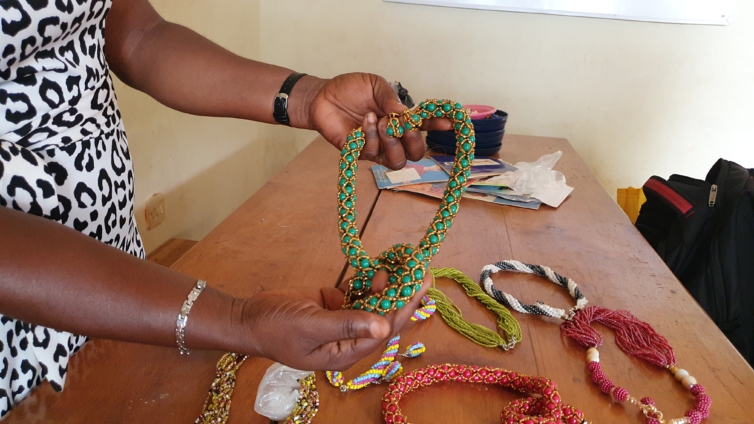
Dejected jewelry
Despite the school’s difficulties, it has been managing to produce products to sell in order to help buy more teaching and learning materials. These efforts have yielded no results.
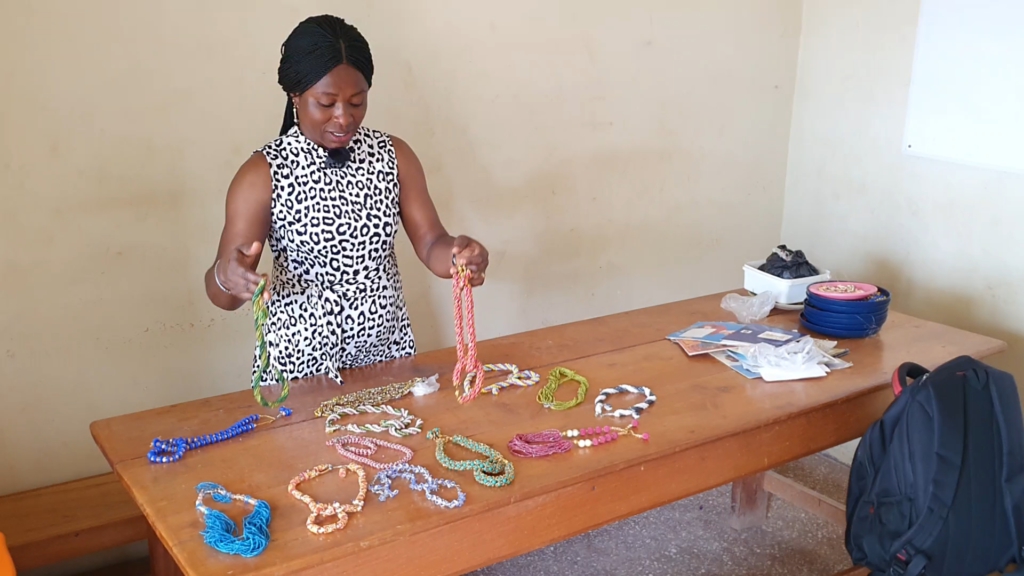
I’ve met Mrs. Ethel Osei, the assistant domestic headmistress of Life Community Special Vocational School, who is full of admiration for her students’ handiwork as he lifts the over-a-dozen beads one after the other.
“This beads are mixed with the local beads, we have the crystal beads, and we have the rubber beads.
“This is the local bead they make at Somanya-Krobo, mixed with crystal. This was made by our students,” she said.
The items, made up of bracelets, anklets, necklaces and waist beads, were conceived to adorn the skin of the Ghanaian but sadly, the Ghanaian has sworn to abhor.
They’ve been idling here for half a decade because of cultural beliefs.
“These were made in 2017 and 2018 but we still have them here.
“Because of the condition of the students, they don’t touch them. They believe they’re likely to suffer from the conditions the students are in, but we always tell them they’re not contagious. Only the foreigners come here to buy,” she disclosed.
Changing the label
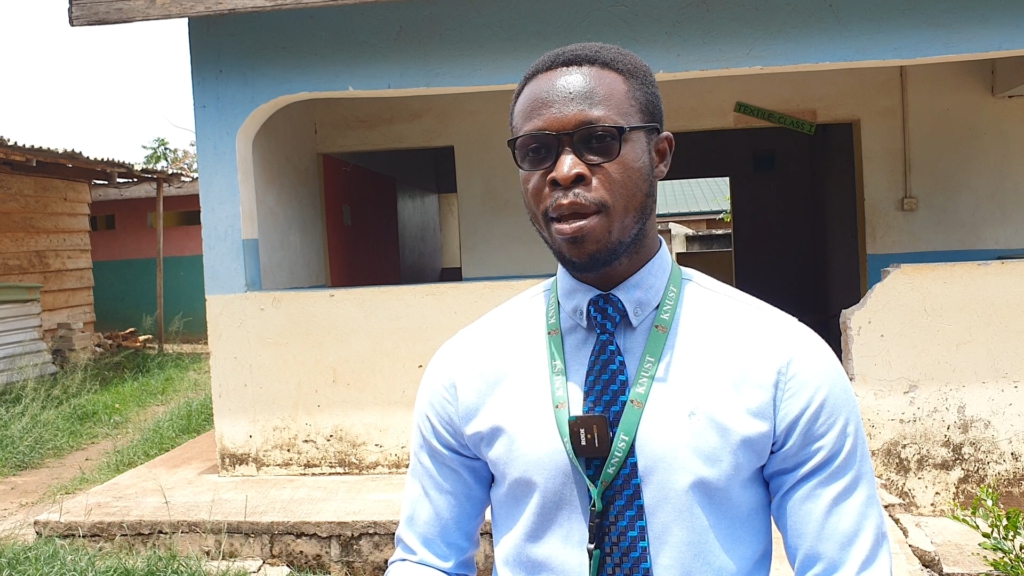
The Kwame Nkrumah University of Science and Technology has been monitoring the situation.
The Departments of Sociology and Social Work, the Industrial and Rural Art, and Disability Studies with funding from the Office of Grants and Research, have been providing training for tutors and internship opportunities for the special needs students.
The Principal Investigator, Dr. Boulard Forkuor, says this is meant to help them integrate into the world of work.
“We’re providing the teachers with skills so that they can in turn teach these students.
“We’re also working with business owners and entrepreneurs in the community to provide internship opportunities for the students so that when they graduate, they’ll be graduating with employable skills and it will become easier for them to transfer the skills from the school to the community,” he is optimistic.
Today, Genevieve, Esther and Emmanuel’s handiworks are part of a display ready for the market.
They include bags, shoes, flower vase, bracelets among others.
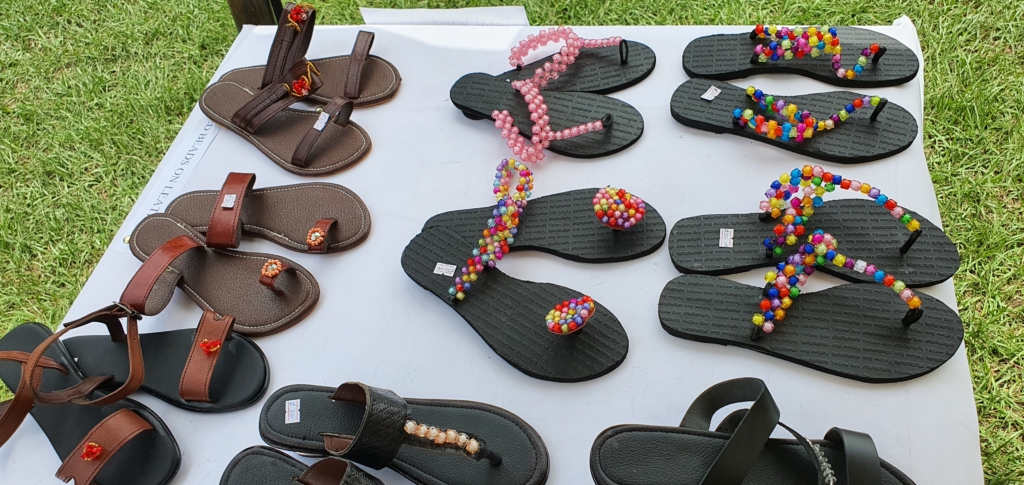
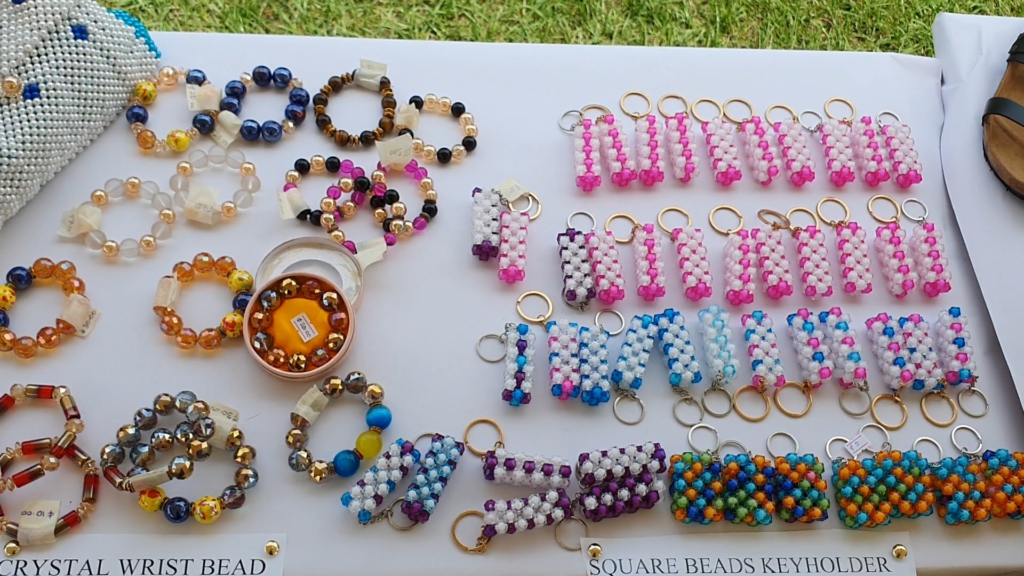
In the society’s bid to rid the streets of alms-begging special persons, it’s important we empower them by providing them with employable skills, and subsequently buying their wares.
Latest Stories
-
President Mahama to attend One Health Summit in France, hold bilateral talks with Macron
17 minutes -
Mahama endorses ADB at Kwahu Business Summit
2 hours -
Every gram will be tracked – Gold Board unveils traceability push to deal with illegally-mined gold
2 hours -
Analysis: Why the Bank of Ghana sold half its gold reserves
2 hours -
Buy wrong gold, face prosecution – Gold Board CEO cracks down on rogue dealers
2 hours -
Africa pushes integrated health agenda ahead of One Health Summit in Lyon
3 hours -
We own the strategy, its not head office decision – GCB MD positions bank as engine of Ghana’s economy
3 hours -
No more waiting for head office – GCB boss pushes Ghana-first banking
3 hours -
Mahama lauds Julius Debrah for shaping Kwahu Business Forum
3 hours -
Why actors beg in difficulty – Patience Ozokwor on Nollywood financial struggles
3 hours -
Any man who apologises to woman deserves to suffer – Brymo
4 hours -
Nigerian artistes no longer put effort into making music – Omah Lay claims
4 hours -
‘I’m now skeptical about going into politics’ – Davido
4 hours -
Nigeria’s Seplat Energy resumes operations as oil workers halt strike action
4 hours -
Nigeria launches manhunt after abductions by bandits in northwest Zamfara
4 hours