

Audio By Carbonatix
The Real Estate Agency Council (REAC) has warned that Ghana's booming property market remains susceptible to illicit financial activities, urging practitioners to strengthen compliance and due diligence measures.
According to the Council, the sector, despite its significant contribution to economic growth and investment, remains vulnerable to money laundering and other illicit financial activities. Acting Chief Executive Officer of REAC, Mr Emmanuel Jeffery, said this.
He noted that the industry's attractiveness to legitimate investors has equally made it a target for individuals seeking to conceal or legitimise proceeds derived from unlawful activities.
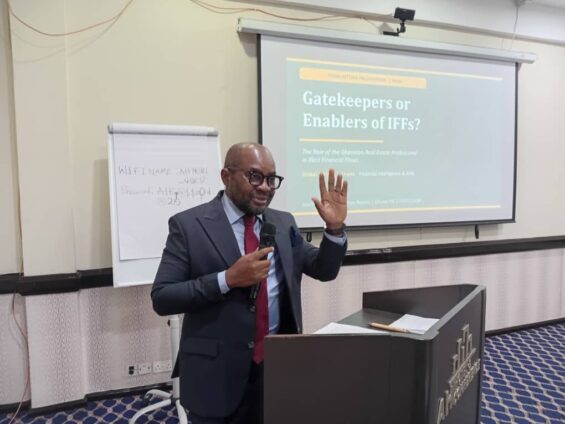
He made the remarks on Tuesday in Accra at a policy dialogue on the theme, "Gatekeepers or Enablers of Illicit Financial Flows (IFFs)? The Role of the Ghanaian Real Estate Professional," organised by Global Financial Integrity (GFI) in partnership with REAC.
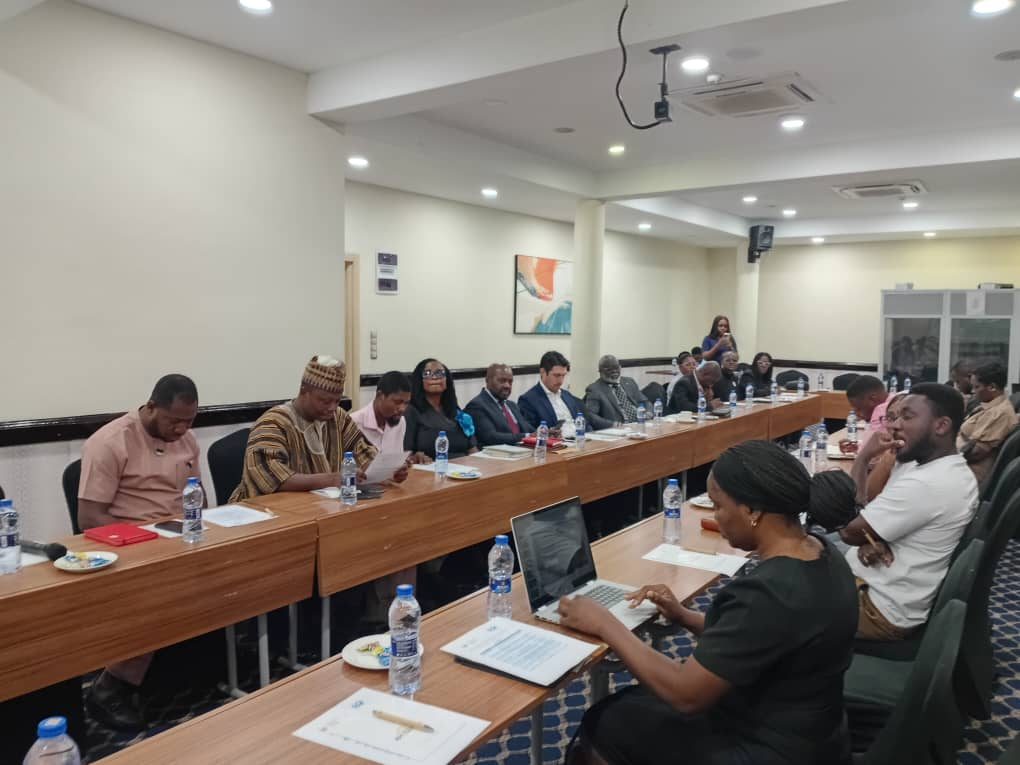
The event brought together officials of the Financial Intelligence Centre (FIC), representatives of professional bodies and training institutions, as well as brokers, estate agents, developers and other players within the property industry.

Addressing participants, Mr Jeffery said, "The real estate sector occupies a strategic position within Ghana's economy. Beyond providing housing and facilitating investment, it contributes significantly to economic growth, employment creation and wealth generation. However, the sector's attractiveness to legitimate investors also makes it vulnerable to abuse by persons seeking to conceal or legitimise proceeds derived from unlawful activities."
He noted that, globally, real estate transactions have increasingly been identified as one of the channels through which illicit financial flows are introduced into formal economies, placing a greater responsibility on practitioners to serve as the first line of defence against financial crimes.
"Real estate professionals are increasingly expected to serve as the first line of defence against money laundering and other financial crimes," he stated.
Mr Jeffery said Ghana's anti-money laundering architecture has been strengthened through the implementation of the Anti-Money Laundering Act, 2020 (Act 1044) and the Real Estate Agency Act, 2020 (Act 1047), which place clear obligations on practitioners and regulators alike.

He explained that the establishment of REAC under Act 1047 reflects government's commitment to promoting professionalism, transparency and accountability within the industry.
According to him, the Council has intensified efforts to ensure compliance through licensing, inspections, stakeholder engagement and public education.
"Through licensing, inspections, stakeholder engagement and compliance monitoring, the Council is working to ensure that real estate practitioners understand and discharge their responsibilities under the law," he noted.
The Acting CEO further revealed that Ghana is currently undergoing its third-round mutual evaluation under Inter-Governmental Action Group against Money Laundering in West Africa (GIABA) and the standards established by the Financial Action Task Force.
He explained that the current assessment places greater emphasis on the practical effectiveness of compliance systems rather than merely the existence of laws and institutions.
"This means that regulators, financial institutions and designated non-financial businesses and professions, including real estate professionals, must demonstrate that compliance measures are being implemented effectively," he said.
To strengthen preparedness, Mr Jeffery disclosed that REAC has embarked on several initiatives, including the licensing of brokers, agents and firms, the creation of a national database of practitioners, compliance inspections and anti-money laundering awareness programmes.
He said these interventions are intended to safeguard the integrity of the sector and reinforce public confidence in Ghana's property market.
Describing the policy dialogue as timely, he challenged stakeholders to reflect on their role in protecting the industry from abuse.
"The question before us is simple yet profound: Are we gatekeepers protecting the integrity of the real estate sector, or are we unknowingly creating opportunities for illicit financial activities?" he asked.
"The answer will depend on our commitment to due diligence, transparency, ethical conduct and compliance with the laws that govern our profession."
Mr Jeffery expressed confidence that the discussions would deepen collaboration among regulators, practitioners, policymakers and development partners as Ghana intensifies efforts to combat illicit financial flows.
He also commended Global Financial Integrity and the Financial Intelligence Centre for their continued support in advancing the country's anti-money laundering, counter-terrorist financing and counter-proliferation financing agenda.
The dialogue forms part of broader efforts to ensure that Ghana's expanding property market remains a catalyst for economic development while upholding the highest standards of integrity, transparency and accountability.
Latest Stories
-
Ghana Psychological Association calls for greater involvement of people with lived experience in mental health care
37 minutes -
Ablakwa says Ghana could evacuate more citizens from South Africa if the situation worsens
1 hour -
Violence against girls must be tackled through individual responsibility – Gender advocate
1 hour -
Ghana’s BRICS bid must be guided by national interest – International Affairs Analyst
1 hour -
Journalists look back on a decade of breast cancer reporting in Ghana
2 hours -
President Mahama ends Resetting Ghana tour of Ahafo Region
4 hours -
African negotiators seek delivery of climate commitments at COP31
4 hours -
BoG develops AI rules for financial sector
4 hours -
‘Big Push’: Government assures contractors of prompt payments
4 hours -
Court fines miner for breaking into gold buying shop
4 hours -
Tarkwa court jails labourer for three years over GH¢123,000 theft
5 hours -
GAEC must retain nuclear scientists for Ghana’s nuclear ambitions – Minister
6 hours -
Man reportedly mistaken for game and shot by hunter dead in forest
6 hours -
19-year-old mason jailed 15 years for defiling seven-year-old pupil
6 hours -
Ghana’s banking sector assets rise 20.47% to GH¢500.2bn – BoG Governor
6 hours