

Audio By Carbonatix
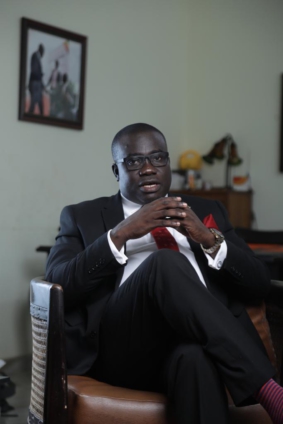
The Member of Parliament for Dormaa East, Paul Apraku Twum Barimah has called on government to prosecute persons who negotiated the Ghana Power Generation Company (GPGC) Power Purchasing Agreement on behalf of the government of Ghana for causing financial loss to the state.
He is unhappy that some officials of the erstwhile administration [John Mahama government] sign PPA for their selfish interest at a time the nation did not need them.
According to him, Ghana was forced to pay more than $500 million every year to pay for excess capacity from the Take or Pay Power Agreements. In effect, Independent Power Producers have received payments for excess capacity charge of $937 million between 2017 and 2020, a situation he described as worrying.
“40percent of the Take or Pay power purchase contracts were not used. Ghana now pays almost $500 million annually for excess capacity that it is not using which we have committed to.”
“If you look at the statistics further, you will realise that Ghana has an installed capacity of about 5,000 megawatts, dependable capacity of about 4,700MW. If you take the all-time high peak demand of 2,700MW then you are talking about 1,700MW excess capacity of power relative to dependable capacity. If you take available capacity of about 3,700MW then we are talking about excess capacity of 600MW that we don’t consume and yet we have to pay. It is significant,” he stated.
His comments come hours after the Attorney General, Godfred Yeboah Dame indicated his intention to lodge a formal complaint with the Criminal Investigations Department (CID) to investigate the PPA signed between the erstwhile John Mahama government and GPGC.
Mr. Twum Barimah blamed the situation on the “unsolicited power purchasing agreements” the erstwhile President Mahama administration signed with the IPPs.
The worrying aspect, the Dormaa East MP, said is the fact that less than 40% of the Take or Pay agreements is being used by the state today.
According to him, per the terms of the agreement, the country still pays for the remaining power it is not using or has not been utilised.
Latest Stories
-
Prudential Life settles GH¢100,000 medical bills under its PRUCares Valentine Experience Initiative
2 hours -
Wa West Picnic: Peter Lanchene Toobu champions peace, health and unity in landmark celebration
2 hours -
Dr Mensah Market flooded after downpour in Kumasi
2 hours -
Armed men reportedly storm Adjen Kotoku Onion Market amid tensions
3 hours -
Tecco Mensah writes: Why football fans must look beyond statistics
4 hours -
Police recover stolen Honda CR-V in Kumasi within 48 hours
4 hours -
Apetorku Gbodzi 2026 Festival opens in Dagbamete with development focus
5 hours -
President Mahama arrives in Lyon to co-chair One Health Summit
5 hours -
Beverly View Plus Hotel draws crowds amid coastal Easter rush in Volta
5 hours -
Maiden Zongo Festival held in Wa amid calls to tackle drug abuse among the youth
5 hours -
FDA warns of fake HIV test kits on Ghanaian market
6 hours -
Africa urged to build resilient health systems as donor support tightens
6 hours -
Easter gesture: Ablakwa settles medical bills for 85 North Tongu constituents
7 hours -
Africa must harness its population strength—Titus-Glover
7 hours -
Visa-free access doesn’t mean unlimited stay – Lom Ahlijah
8 hours