

Audio By Carbonatix
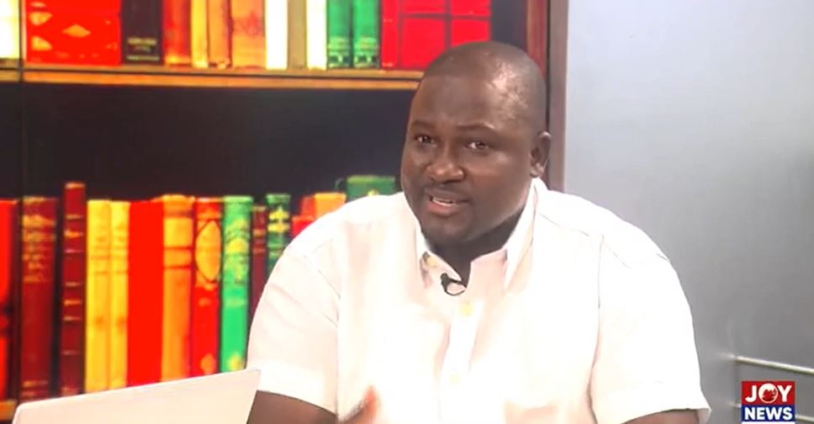
Executive Secretary of the Right to Information (RTI) Commission, Yaw Sarpong Boateng, has called on public institutions to set up information units to facilitate delivery of information to applicants.
According to him, the Commission is focused on getting information for persons who apply; hence, the various institutions should also ensure they designate officers who would attend to various requests.
His comment comes in the wake of concerns about unavailability of information officers at some agencies.
But speaking on The Law on JoyNews, Mr Boateng highlighted that in circumstances where there are no information officers, the heads of the agencies or institutions should be treated as information officers.
“So, there not being an information officer should not truncate the process of applying or requesting an information,” he told Jospeh Ackah-Blay on Sunday, September 25.
“We have been embarking on a public education exercise to ensure that public institutions become aware of their functions and their roles under the Right to Information Law.
Some are not aware that they even have to put in place an information unit and engage an information officer to perform these functions under the law. For those who do not have information officers, it takes nothing away from them to put in place a designated officer who would be acting as an information officer,” he added.
He disclosed that some institutions do not know the content of the RTI Law because they have still not read it.
This, he noted, is a challenge because “it takes us to proactively get them to appreciate what the law is about.”
“The general Ghanaian attitude – I know there are exceptions – [is that] we hardly read so it’s very difficult for public agencies to even know the content of the Right to Information law and what it requires of them.”
There have been concerns over the delay in accessing information using the RTI.
But Executive Secretary of the Right to Information (RTI) Commission, Yaw Sarpong Boateng, says contrary to public perceptions, there is no selective application of the RTI law.
According to him, the delays do not happen because of discrimination, but rather the Commission’s desire to address issues in a manner that is fair to all parties.
The RTI Commission was established to implement the RTI law and also resolve cases between citizens and public institutions, when the need arises.
Since its inception, however, there have been a lot of complaints about how the Commission carries out its mandate; with some accusing it of being discriminatory.
Latest Stories
-
I assure Otumfuo, Mahama will join him to commission KNUST Teaching Hospital by end of this year – Haruna Iddrisu
7 minutes -
Gov’t to roll out free special education for persons with disabilities from July 1 – Education Minister
29 minutes -
“We used it to test our officiating officials’ readiness” – Bawah Fuseini after CAA Athletics event
56 minutes -
Volleyball emerges as Ghana’s fastest rising sport
1 hour -
National Sports Fund needs strong leadership from the top – Administrator David Wuaku
1 hour -
JoySports Exclusive: Steve McLaren in talks with GFA after expressing interest in Black Stars job
1 hour -
Fire guts auto parts warehouse at Bubuashie, one fire officer injured
2 hours -
I owe my victory to coach Ofori Asare – Allotey after winning WBA Africa Gold Super Flyweight belt
2 hours -
Church of Pentecost supports over 2,000 BECE candidates in Obuasi with career guidance seminar
3 hours -
Brandon Asante and Coventry all but promoted to Premier League despite Sheffield Wednesday draw
4 hours -
GPL 2025/26: Late Kwartemaa strike downs Hearts in Tema
4 hours -
Ghana Faces Sierra Leone Moment as Prosecutorial Powers come under strain
4 hours -
Don’t consume fish or seafood from Tema Shipyard until further notice – FDA warns
4 hours -
Why volunteering might be Africa’s most underrated career accelerator
4 hours -
ActionAid Ghana raises concern over gender gaps in Feed Ghana Programme
4 hours