

Audio By Carbonatix
Ghanaian journalists continue to encounter frustrating hurdles in their pursuit of public information, as some state institutions deliberately create roadblocks that limit access to documents essential for accountability and good governance.
One common tactic has been for officials to claim that their organisations lack designated information officers, a loophole often used to delay or deny requests.
Such barriers weaken the effectiveness of the Right to Information (RTI) Law and dampen media efforts to expose wrongdoing and promote transparency.
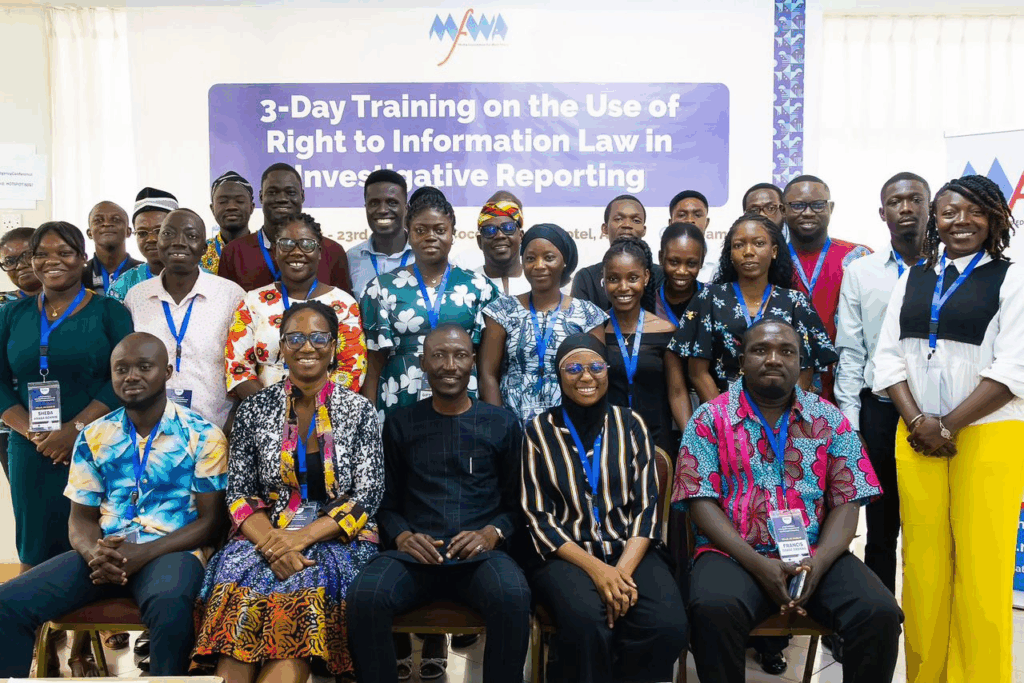
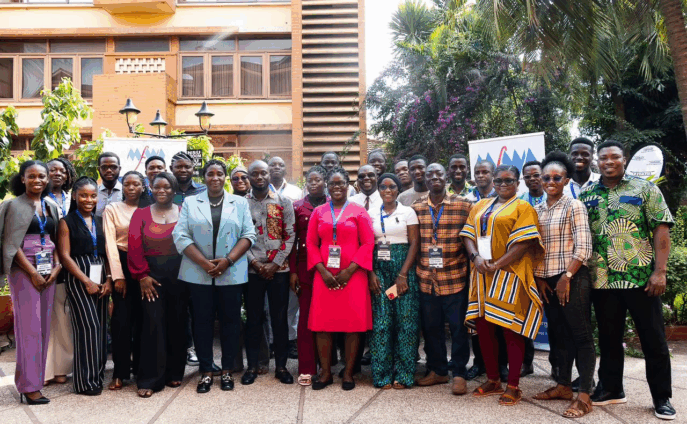
The Media Foundation for West Africa (MFWA), through its ongoing training series, has equipped reporters with the knowledge and assertiveness needed to fully leverage the RTI Law for investigative work.
Ghana Institute of Journalism lecturer and private legal practitioner, Zakaria Tanko Musah, urged participants to take full advantage of the RTI framework and stop accepting excuses that undermine the law.
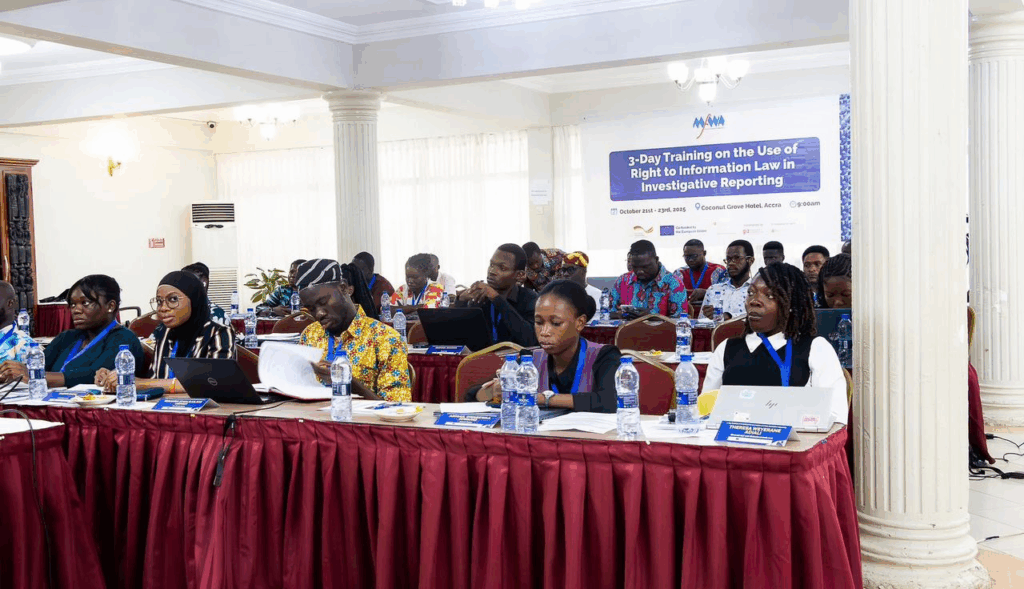
He encouraged reporters to be clear and precise in their applications, anticipate exemptions, maintain documented communication, and request digital copies of records to reduce costs and delays.
“One of the strategies they use is to claim they don’t have an information officer when you write to them. That’s not an excuse. When you are requesting information, don’t play into their hands. Leave your contact details with whoever is available,” he said.
The Right to Information law training also featured multifaceted upskilling for journalists, including media law and ethics, gender‑differentiated corruption, and hands-on experience of information-seeking tools.
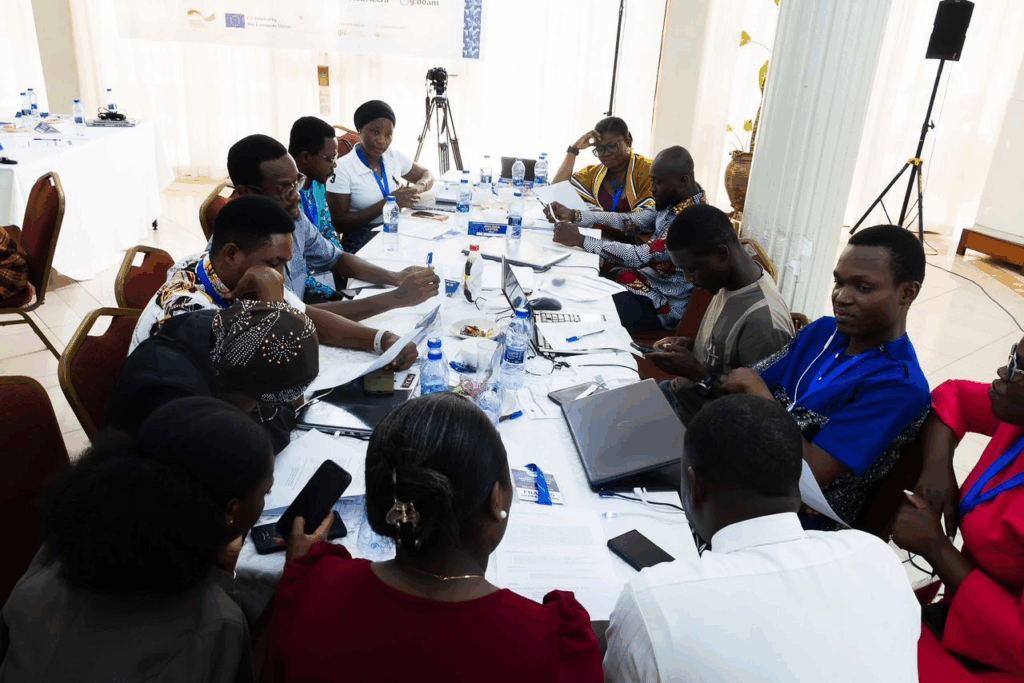
Lecturer at the University of Ghana’s Department of Communication Studies, Aurelia Ayisi, PhD, enlightened journalists on the gender elements in corruption, including methods to identify, pursue, and execute stories that shed light on the social canker.
“Sexual corruption is an issue that affects both men and women, and as a journalist, you must be able to identify them most openly, whilst employing ethical and non-biased approaches. In all of this, awareness is also key for both perpetrators and victims. The knowledge must go deep into the grassroots,” she said.
The workshop forms part of MFWA’s broader strategy to strengthen media-driven anti-corruption efforts under the Participation, Accountability, Integrity for a Resilient Democracy (PAIReD) program.

The initiative is funded by the German Development Cooperation, commissioned by the German Federal Ministry for Economic Cooperation and Development (BMZ), co-financed by the European Union and the Swiss State Secretariat for Economic Affairs (SECO), and implemented by GIZ in partnership with Ghana’s Ministry of Finance.
Latest Stories
-
Tullow starts selling Jubilee, TEN crude to Ghanaian refineries
4 minutes -
PURC assures consumers of working to ensure quality services in Northern Region
5 minutes -
Ghana develops US$4.28bn water financing framework
12 minutes -
Christian Council calls for protection of mission schools’ religious identity
19 minutes -
Mahama holds discussions with India’s External Affairs Minister
25 minutes -
Even when you cough, they come after you — Abanga accuses Mahama govt of criminalising free speech
31 minutes -
Mahama Ayariga proposes bank-adopted streets as part of stronger public-private partnership
39 minutes -
NPP will impose $500m bail bond on NDC offenders if we return to power — Abanga
46 minutes -
Gov’t begins 175-hectare Anunuso irrigation project to raise rice production
57 minutes -
Mahama Ayariga urges banks to take responsibility for beautifying public spaces
1 hour -
I plan to secure 70 ‘orphan’ parliamentary seats for NPP — Abanga
1 hour -
Annoh-Dompreh brokers talks as Zoomlion pledges support for Adipa communities
1 hour -
Account for the old economy before selling us a new one
2 hours -
Abanga sets 4 million youth-vote target for Bawumia ahead of 2028 election
2 hours -
Gold edges lower with focus on Fed minutes, rate path clues
2 hours