

Audio By Carbonatix
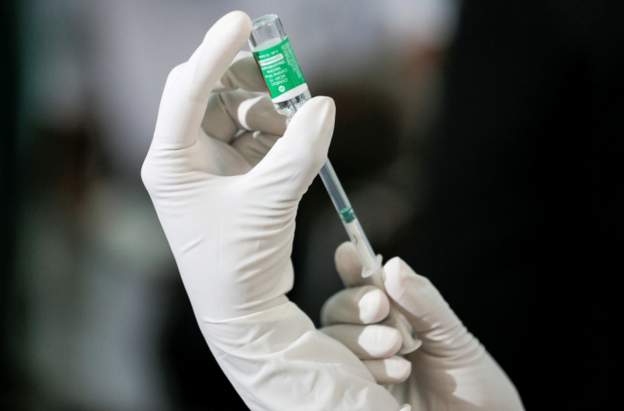
In the past, vaccines have been known to be substances that teach the body to recognise and defend itself against infections from harmful pathogens, such as bacteria, viruses and parasites.
This is because they contained a harmless element of the infectious agent that directly stimulates the immune system to mount a response, beginning with the production of antibodies. Vaccines seek to provide active acquired immunity to particular infectious diseases.
They stimulate the body's immune system to prepare itself in the event that infection occurs. Cells that are responsive to the vaccine proliferate in order to manufacture antibodies specific to the provoking agent and also to form 'memory cells'.
Upon encountering the infectious agent a second time, these memory cells are quickly able to deal with the threat by producing sufficient quantities of antibody. Pathogens inside the body are eventually destroyed, thereby thwarting further infection.
Several infectious diseases including smallpox, measles, mumps, rubella, diphtheria, tetanus, whooping cough, tuberculosis and polio are no longer a threat in Europe due to the successful application of vaccines.
This is not different in the case of Ghana and Africa. Low-cost vaccines against preventable diseases have contributed to the reduction in childhood mortality.
Latest Stories
-
Bear with us over temporary outages as ECG begins transformer upgrade programme – Energy Ministry
7 minutes -
President Mahama has not broken promise on anti-LGBTQ bill — Akwatia MP
39 minutes -
Education Minister promises swift fix to Aburi Girls’ SHS water crisis
46 minutes -
Top Australian soldier charged with war crimes to remain in jail on remand
1 hour -
US journalist Shelly Kittleson released after kidnap in Iraq, officials say
1 hour -
Starmer to visit Middle East after US and Iran reach ceasefire deal
1 hour -
Telcos and regulators are failing Ghana on Mobile Money fraud
2 hours -
Discussions on petroleum taxes review ongoing with Finance Minister – Jinapor
2 hours -
BMW Club Ghana partners National Road Safety Commission for “Stay Alive” Easter road safety campaign
2 hours -
Health Ministry launches World Health Day 2026, urges science-based action
2 hours -
MMFL anchors MTN Group’s fintech push in Ghana
2 hours -
Ghana’s economy shows recovery signs, but risks persist – S&P maintains stable outlook
2 hours -
SWAG commemorates its 8th anniversary with a public lecture
2 hours -
Bekwai MP supports community projects with over 400 bags of cement, streetlights and cash during Easter
2 hours -
Ibrahim Mahama claims Police Commander failed to stop alleged assault
3 hours