

Audio By Carbonatix
Media professionals have been urged not to discard information shared on social media.
The expert want pressmen to take advantage to reflect on the content, call out falsehoods, and fact-check them.
According to Kwaku Krobea Asante, Fact-Check Lead at Media Foundation for West Africa (MFWA), while cases of misinformation, disinformation and mal-information would continue to exist, media practitioners could help change the narrative.
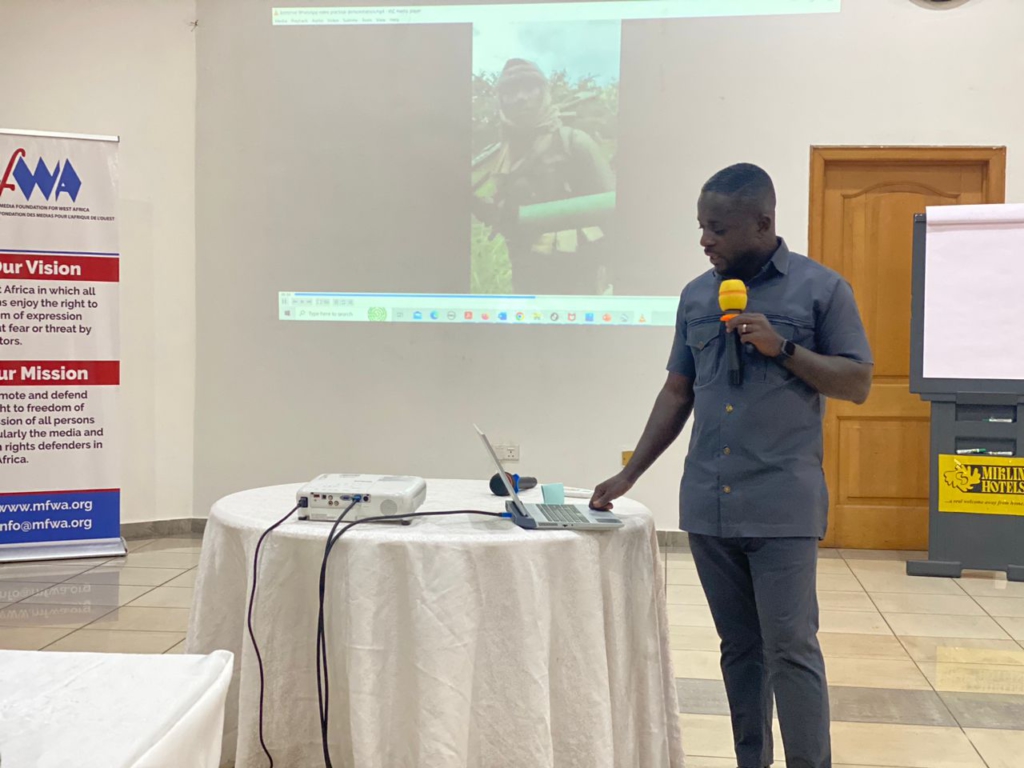
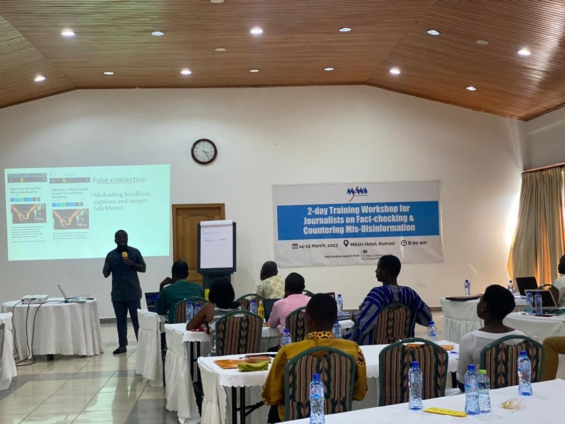
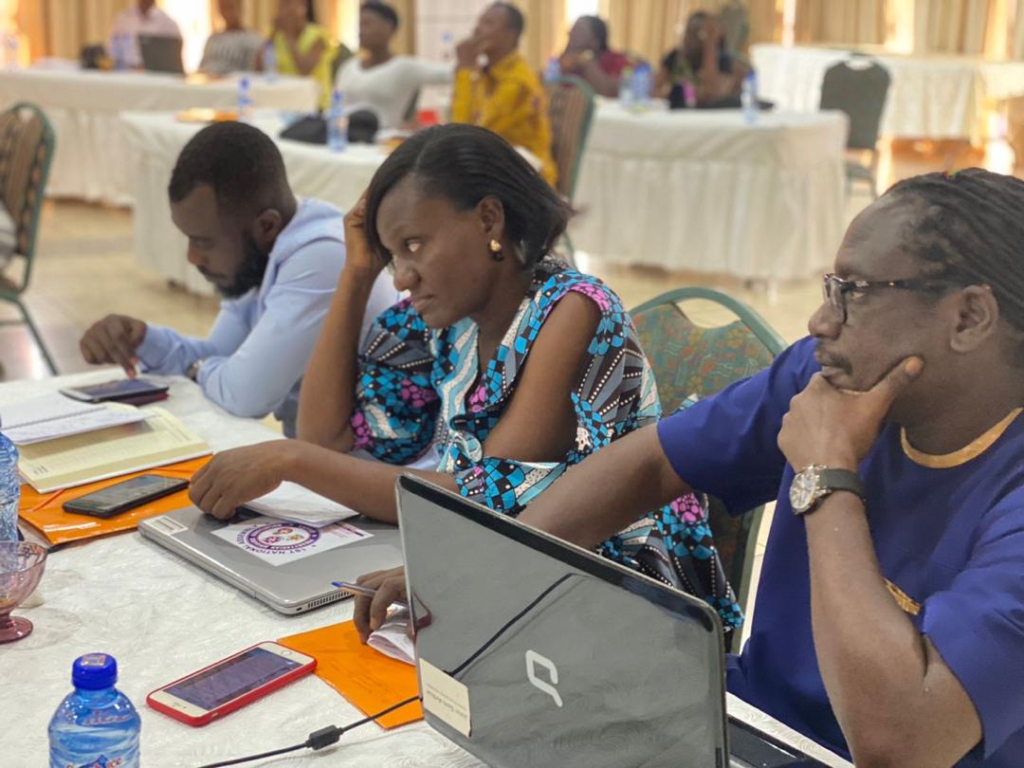
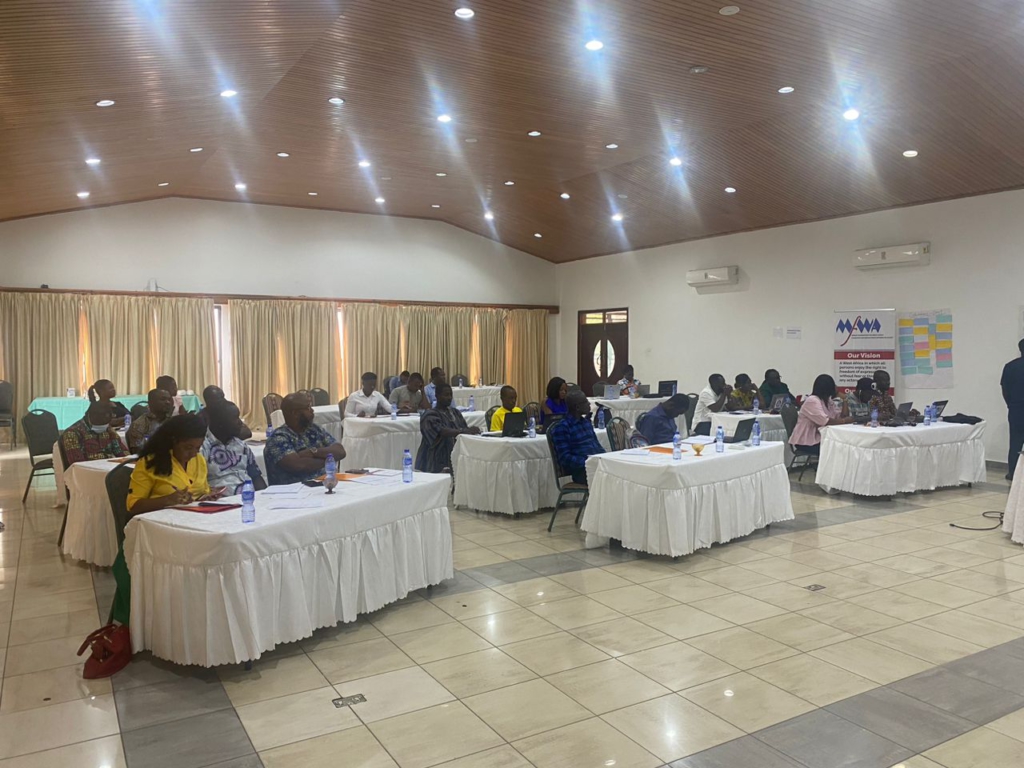
He was speaking at a two-day training workshop on fact-checking and countering misinformation for 25 media practitioners in Kumasi.
According to the website, Statista 2020, the global economic damage caused by the dissemination of false news in the financial, political, and healthcare sectors is around 78 billion dollars.
The actual loss, however, is the sensation of general confusion generated by a steady flow of disinformation.
Some Ghanaians are questioning the relevance of social media, which is seen as the least dependable source of information and fake news.
According to Statista, confidence in conventional media is also dropping, with 53% of respondents believing it to be trustworthy.
Kwaku Krobea emphasized the significance of gathering information in the proper manner, utilizing unique verification methods including, fact-checking, verifying sources and checking the author.
He emphasized social media platforms are particularly fertile ground for the spread of fake news – the ease with which fake news can be circulated, as well as the impunity for those who share it, are just a few of the factors that make social media platforms particularly dangerous and difficult to manage.
The Media Foundation for West Africa is working to enhance the region's media landscape by countering misinformation and propagandist narratives via media capacity building, fact-checking, and media campaigns.
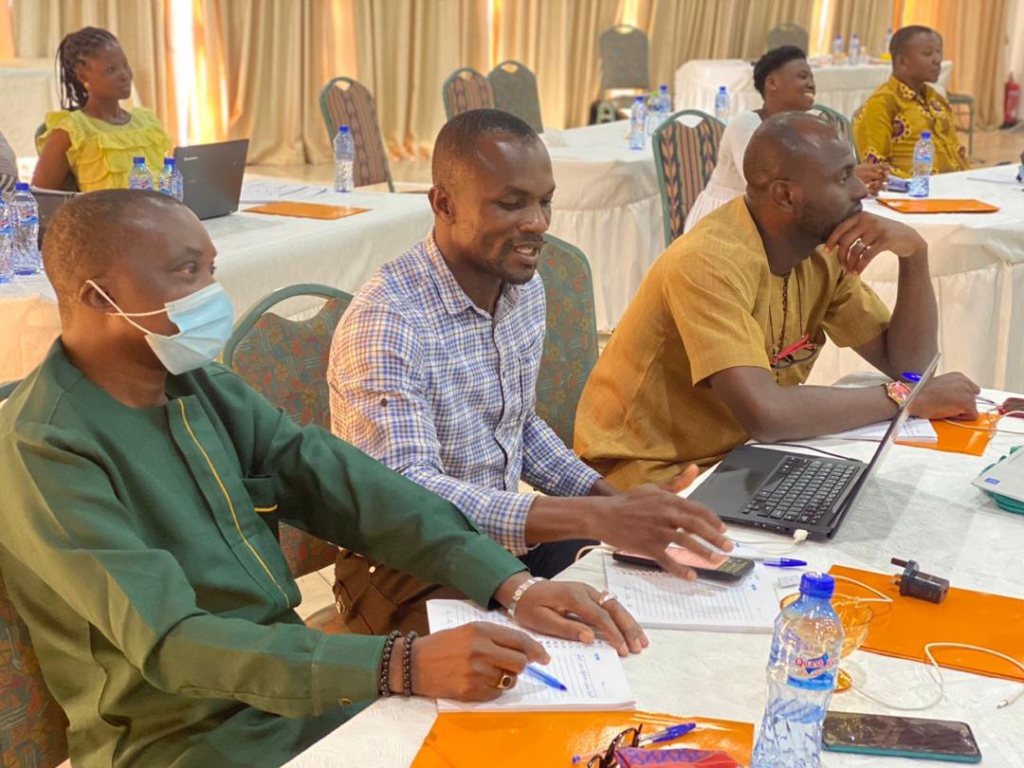
Participants were taken through Google reverse image search, pandex.com, tineeye.com and image-edited websites photos facts-checking to be able to verify and confirm the authenticity of photos shared on social media to inform, misinform or disinform the public.
Kwaku said it was necessary for the media practitioners to use these websites for their greater digital well-being, and to exercise their critical thinking
Latest Stories
-
Prudential Life settles GH¢100,000 medical bills under its PRUCares Valentine Experience Initiative
12 minutes -
Wa West Picnic: Peter Lanchene Toobu champions peace, health and unity in landmark celebration
23 minutes -
Dr Mensah Market flooded after downpour in Kumasi
31 minutes -
Armed men reportedly storm Adjen Kotoku Onion Market amid tensions
1 hour -
Tecco Mensah writes: Why football fans must look beyond statistics
2 hours -
Police recover stolen Honda CR-V in Kumasi within 48 hours
3 hours -
Apetorku Gbodzi 2026 Festival opens in Dagbamete with development focus
3 hours -
President Mahama arrives in Lyon to co-chair One Health Summit
3 hours -
Beverly View Plus Hotel draws crowds amid coastal Easter rush in Volta
3 hours -
Maiden Zongo Festival held in Wa amid calls to tackle drug abuse among the youth
4 hours -
FDA warns of fake HIV test kits on Ghanaian market
4 hours -
Africa urged to build resilient health systems as donor support tightens
4 hours -
Easter gesture: Ablakwa settles medical bills for 85 North Tongu constituents
6 hours -
Africa must harness its population strength—Titus-Glover
6 hours -
Visa-free access doesn’t mean unlimited stay – Lom Ahlijah
6 hours