

Audio By Carbonatix
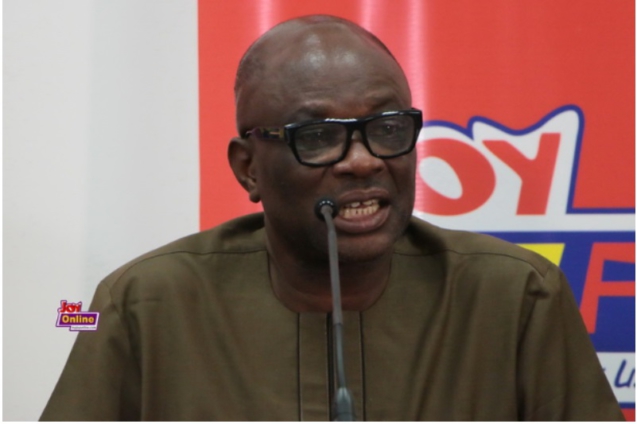
The President of the Ghana Union of Traders Association, Dr. Joseph Obeng, has reiterated that any intention by the government to scrap the 50% Benchmark Value at the ports "will be suicidal".
In a press statement, Dr. Obeng expressed that the Benchmark Value brought relief to the trading community, sanity into the system, and eased tension and agitations amid the impact of the coronavirus on cross-border trade.
"Any attempt to remove this good policy of the government that brought relief will be suicidal for the state because it will not only collapse business but also cause an unbearable rise in prices of goods and services beyond the reach of consumers, especially, low income earners and the unemployed," he warned.
The Association of Ghana Industries (AGI) hold the position that the reduction in the Benchmark Values by up to 50% had cheapened imports and dampened demand for local substitutes, resulting in a slowdown in growth in the manufacturing companies.
In a plea that had since been rejected forcefully by the umbrella body of the trading community, the advocacy body for manufacturers said the policy on benchmark value reduction must be reviewed downwards to safeguard manufacturing jobs and protect the fortunes of the sector from deteriorating further.
The Chief Executive Officer of the AGI, Seth Twum-Akwaboah, told Charles Ayitey on the Market Place that domestic processors of rice and edible oil were the worst hit, with big names such as the Avnash Industries Ghana Limited and the Wilmar Africa Limited shrinking operations and laying off workers, following the introduction of the policy two years ago.
He said following the drop in demand for their products, the local manufacturers have been forced to reduce their demand for raw materials from local farmers “and that is having a supply chain effect.”
“In effect, what the policy does is that it makes the imports less costly and more profitable, and we are saying that it does not encourage local manufacturing. Again, we think that it defeats the government’s own policy of industrialization which is to encourage domestic manufacturing through the One-District, One-Factory (1D1F) initiative.”
--
Latest Stories
-
GPRTU in Savannah Region to protest alleged eviction in Damongo
21 minutes -
Re: Reinsurance does not replace process — A response to the SIGA–SIC defence
36 minutes -
Gender Ministry supports Harriet Amuzu in ongoing abuse case
49 minutes -
AG joins plaintiff to scrap OSP ?: We should be mindful of the mischief in this – Bobby Banson
55 minutes -
Samson Lardy Anyenini questions willingness of Attorneys-General to prosecute political colleagues
57 minutes -
It is only fair the OSP is heard in Supreme Court case – Bobby Banson
1 hour -
Asiedu Nketia resumes Ashanti tour, second leg kicks off on Sunday
1 hour -
NLA denies salary cut claims, threatens legal action over reports
1 hour -
BoG Governor honoured for stabilising cedi, improve inflation
1 hour -
Kyebi Easter Homecoming 2026: A resounding success!
2 hours -
Trade Minister applauds GUTA as a pillar of economic growth; Prez Mahama honoured
2 hours -
President’s brother’s takeover of Damang Mines is ‘untidy’ – Alhassan Tampuli
2 hours -
It’s not true that gov’t decided not to renew the lease for Gold Fields – Bobby Banson
2 hours -
Ghana to boost tomato production with 60-hectare irrigated farms and processing initiatives
3 hours -
E&P’s takeover process of Damang Mines was very clean – Inusah Fuseini
3 hours