

Audio By Carbonatix
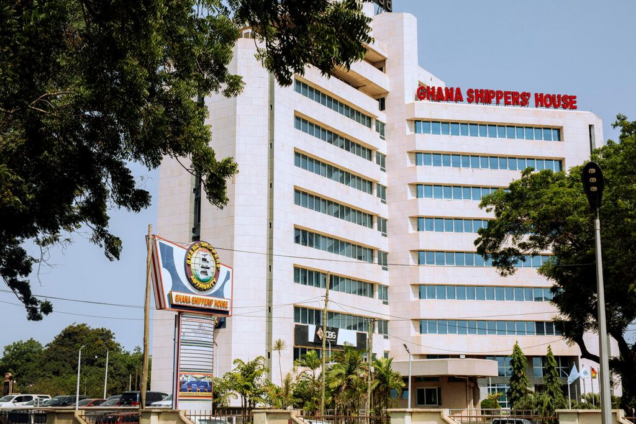
Over the last few days, an online portal, Ghana Today, published a post that the Ghana Shippers Authority (GSA) had procured some ICT equipment worth GH¢2 million through the restrictive tendering process.
This publication generated some public discussion about the real intentions of the publication and whether there were breaches of any law.
Here are the facts as we have found:
What was procured?
According to details available, the procurement involved over 100 pieces of ICT equipment to support the Authority’s operations.
These include laptops, tablets, HP LaserJet printers, access control systems, CCTV installations, uninterrupted power supply (UPS) units, and solar-powered inverter systems, among others.
The acquisition, the Authority explains, was not an ad-hoc decision but part of a broader plan dating back to 2024, with several of the needs inherited and already budgeted for.
Was there due process and competitive tendering?
To ensure transparency and value for money, the GSA was said to have shortlisted five experienced firms based on technical capacity, track record, and after-sales support.
These included Urban Tech Solutions Limited, Wumberic Group, Ruzyne Group Limited, Procure Charter Limited, and Venus Hills Company Limited.
The procurement process was not unilateral as the GSA received formal approval from the Public Procurement Authority (PPA), after which a restricted tendering process was conducted through the Ghana Electronic Procurement Platform.
Subsequently, the Authority sought and obtained final approval from the Central Tender Review Committee of the Ministry of Finance before awarding the contract.
Cost savings and final contract value
While the initial estimated cost of the procurement stood at GH¢2 million, an amount approved by the relevant regulatory bodies, the contract was ultimately awarded at a significantly reduced figure.
Urban Tech Solutions Limited, the winning bidder, supplied the full range of equipment at a renegotiated cost of GH¢1.4 million, inclusive of taxes.
This represents a savings of approximately GH¢600,000 to the state.
Why restricted tendering?
The use of restricted tendering is fully compliant with Ghana’s Public Procurement laws.
The method allows institutions to invite selected qualified firms where specialised expertise and reliability are critical.
In this case, limiting the process to vetted firms was intended to ensure efficiency, maintain quality standards, and guarantee timely delivery.
Putting the matter in perspective
The above clarification suggests that rather than overspending, the procurement process may have achieved notable cost savings while adhering to established legal and administrative procedures.
As public scrutiny over government spending intensifies, the case highlights the importance of context, due process, and verified information in shaping public discourse.
Latest Stories
-
Prime Insight: Making room for meaningful national conversations on Joy Prime
5 minutes -
FABAG commends Ato Forson’s over removal of 20% excise duty on locally manufactured fruit juices
12 minutes -
HIV stigma discourages testing, prevention and treatment in Ghana – Ghana AIDS Commission
15 minutes -
Blocking cocaine probe lends weight to claims of political protection for traffickers – Assin South MP
18 minutes -
NPP Vice Chair race: I may be the youngest, but most experienced – Nana B
20 minutes -
Last UK and US troops leave Iraq as anti-Islamic State mission ends
20 minutes -
Don’t stay home idle, embrace entrepreneurship while awaiting posting – Unemployed nurses urged
32 minutes -
Aayalolo buses not speeding on contra-flow lanes – GAPTE assures commuters
35 minutes -
Effia MP calls for Kurt Okraku’s removal, overhaul of Ghana football structure
36 minutes -
CAS hearing on AFCON final appeal by Senegalese Football Federation set for October 8
36 minutes -
STC fares to go up by up to 8% this week – Deputy MD
37 minutes -
Photos: Accra-Kumasi bypasses get new lease of life as contractors return to site
38 minutes -
Man allegedly swallows five SIM cards to conceal evidence after arrest
38 minutes -
After three finals, Ayikuma Methodist Basic School finally lifts National Juniors Challenge trophy
38 minutes -
Black Stars management ignored players’ health conditions ahead of Gambia game – Ernest Thompson alleges
40 minutes