

Audio By Carbonatix
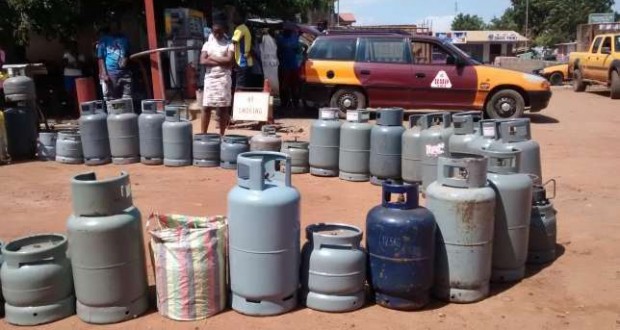
An Economics Professor at the University of Ghana wants government to, as a matter of urgency, remove taxes on liquified Petroleum Gas (LPG).
Eric Osei Assibey said, this is to reduce the burden of the hike in the cost of the commodity, on the poor and promote sustainable development.
LPG was first introduced as a cheaper fuel source to replace wood and other environmentally unfriendly fuel sources.
But now, its price build-up is made up of more than 20 per cent of taxes imposed over the years.
According to industry players, the indicative price is now GH¢6.86 from GH¢6.56 in the previous window.
The ex-refinery price has moved from GH¢4.25 in the previous window to GH¢4.55 currently. The current window on the international market closed on July 11, 2021, and the international price has gone up by 10.7%.
This will reflect in about a 5- 6% increase in the local price. This will push up the pump price to about 7.25 Ghana Cedis next widow beginning on Friday, July 16.
All of this, is expected to reflect in the average household 14.5kg cylinder costing the Consumer GH¢106. An increase of about GH¢4 from the previous current window price of GH¢102.
In an interview on the Super Morning Show, Prof. Osei Assibey explained that the recently imposed levies should be reviewed to ensure we are not unfairly targeting and overburdening the poor instead of protecting them.
“If you look at the levies, in my view, they are quite regressive in nature. Especially, when you over concentrate on VAT you will realise that it is the poor that ends up paying more within the big cities and so the targeted response is making sure it becomes more progressive so that it is the wealthy that tend to pay more.”
He then categorically stated that taxes on LPG should be removed to promote sustainable development, “Removing taxes or levies from products like LPG, if we are serious about sustainable development and conserving our environment, because these were targeted to encourage the poor to use more of LPG.
"Otherwise, it is going to be counterproductive in the sense that, they are really going to drive their demands towards the environmentally harmful energy usage products.”
Latest Stories
-
GPL 2025/26: Dreams FC stage stunning comeback to hammer Eleven Wonders
1 hour -
Livestream: The Probe examines Kumasi’s looming water crisis
1 hour -
MTN Ghana gears up to lead Africa’s AI revolution
1 hour -
Philanthropist Alhaji FuZak donates Da’wah bus to Ambariya Sunni community
2 hours -
GUTA calls for suspension of Publican AI system over trade disruptions
2 hours -
TTAG raises alarm over proposed recruitment of 7,000 teachers, demands national posting roadmap
2 hours -
Civilians feared killed after reports of air strike on Nigerian market
2 hours -
Bishop Simon Kofi Appiah installed as new Jasikan Diocese Bishop
2 hours -
Trump’s Strait of Hormuz blockade threat raises risks and leaves predicaments unchanged
2 hours -
US Court backs extradition of former MASLOC CEO Sedina Tamakloe-Attionu to Ghana
3 hours -
Seven arrested as NAIMOS dismantles illegal mining camp, seizes firearms at Boin River
3 hours -
Fire erupts at Madina Ritz Junction, destroys multiple wooden structures and containers
3 hours -
Daniel-Kofi Kyereh returns from long-term injury, registers assist for Freiburg U23
3 hours -
Knifeman calling himself ‘Lucifer’ slashes three at NYC’s Grand Central
3 hours -
Brands are built from within to without
3 hours