

Audio By Carbonatix
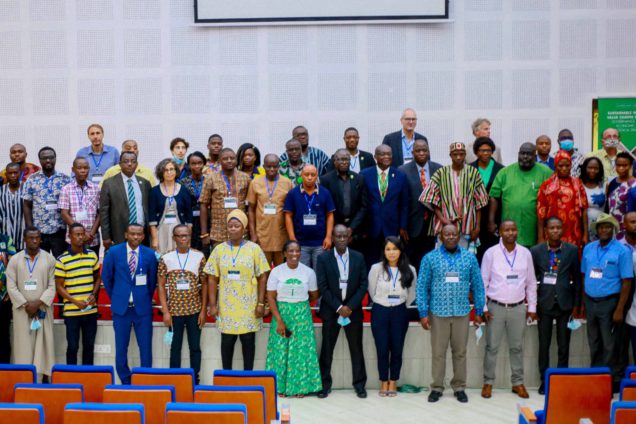
About five hundred scientists and researchers are meeting at the KNUST to fashion out ways of enhancing the sustainable production of charcoal across Africa.
The conference is connecting policymakers and the private sector to advocate and explore strategies for scaling up.
Research shows wood fuel constitutes over 70 percent of the energy needs for cooking and heating in sub-Saharan Africa.
Scientists have observed consumption is on the rise, but accessibility to many households is characterized by poor harvesting and processing practices.
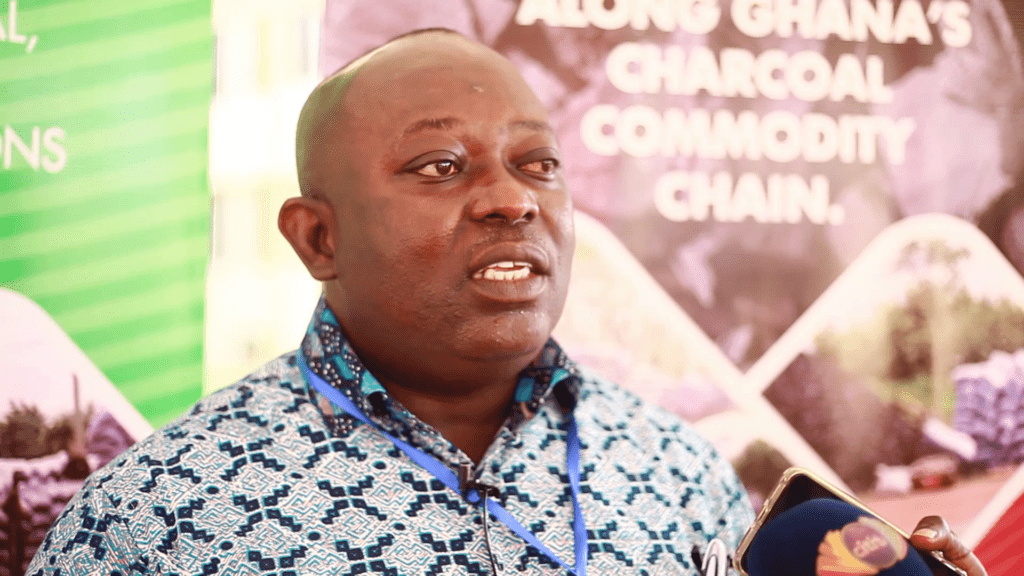
Professor Emmanuel Acheampong is the principal investigator of the conference.
“We are looking at ways in which we can enhance the contribution of charcoal to livelihoods while avoiding the undermining of raw materials on which charcoal is based. We need to find innovative ways to produce charcoal”, he said.
He then indicated that “A major solution is for institutions to establish their own woodlots so they can produce charcoal sustainably.”
The Conference's objective is to promote understanding and sharing of knowledge and good practices among scholars and practitioners in the wood fuel sector.

Dr Christian Pilegaard Hansen, from the University of Copenhagen, is the Project Organiser.
He said, “there is a risk for plantation if charcoal production is not done properly. It can dispossess people living on the land for livelihoods.”
“Government institutions like the Ministry of Land and Natural Resources and the Ministry of Energy can formalize the sector to regulate the way charcoal is produced and traded in this country”, he added.
The three-day conference was organized by the University of Copenhagen in partnership with Tropenbos Ghana, KNUST, the UN Food and Agriculture Organization, World Agroforestry and other international agencies.
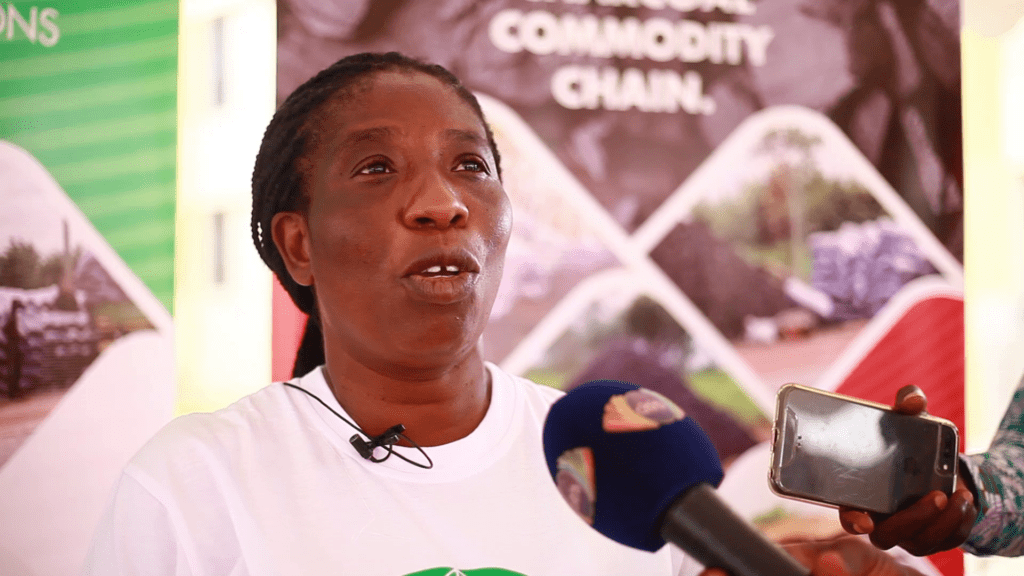
Director of Tropenbos Ghana, Mercy Owusu-Ansah, said, “all stakeholders in the wood fuel production should come together to push the agenda.”
She said her outfit, “is ensuring leaders are sharing ideas and responding to issues on sustainability.”'
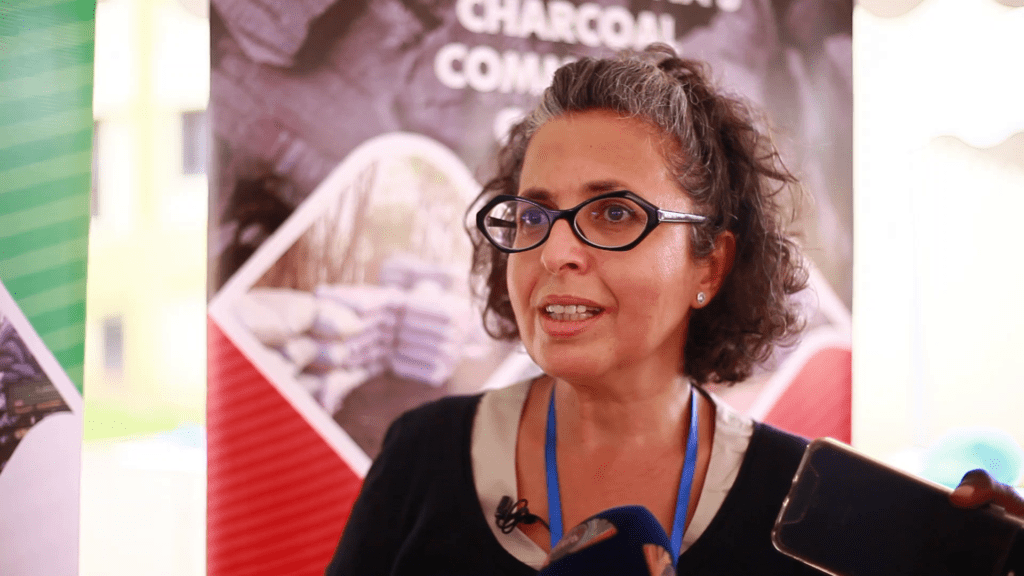
FAO Regional Office representative, Nora Berrahmouni reiterated the need for the forest to be restored.
She says, “restoration is not only at planting but also having good support and formalization of the sector. We must ensure people use the sustainable standard in production, and management of the forests as well as supply.”
Latest Stories
-
Livestream: The Law discusses Supreme Court @150
33 minutes -
MTN Momo staff walk to promote wellness and fitness
49 minutes -
Assafuah: Sedina Attionu’s return from Nevada will test government’s commitment to accountability
54 minutes -
How GRA’s Modified Taxation Scheme is boosting revenue compliance & SMEs competitiveness
1 hour -
Stonebwoy Can Do It: A call to unite behind 2026 BHIM Fest
2 hours -
World Shea Expo returns to Tamale for 2026 edition
2 hours -
Prioritise cocoa sector with better prices, timely payments-Annoh-Dompreh urges NDC
2 hours -
Lands and Mines Watch Ghana endorses Heath Goldfields’ mining capacity
2 hours -
Gbintiri residents protest alleged diversion of 24-hour market project
3 hours -
Justin Bieber headlines Coachella with nostalgia-fuelled set
3 hours -
Ukraine and Russia accuse each other of hundreds of ceasefire violations
3 hours -
Asha Bhosle: The sound of Bollywood dies aged 92
3 hours -
Fire destroys section of 4-bedroom apartment at Tantra Hill
3 hours -
Safe city: Unnoticeable protection
3 hours -
North East Regional Police Commander raises alarm over burning of checkpoints
4 hours