

Audio By Carbonatix
Access to potable water in Zomayi, a farming community in the North Tongu district of the Volta region, remains a significant challenge.
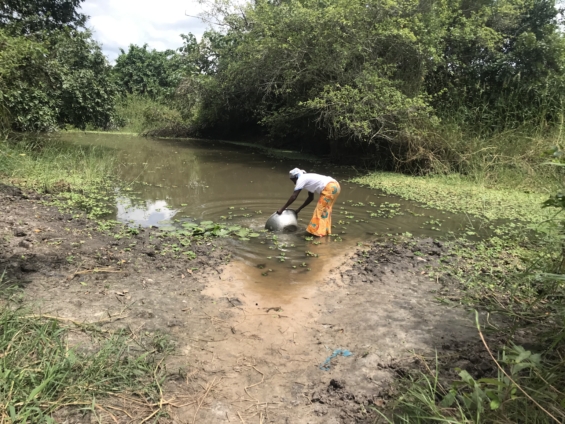
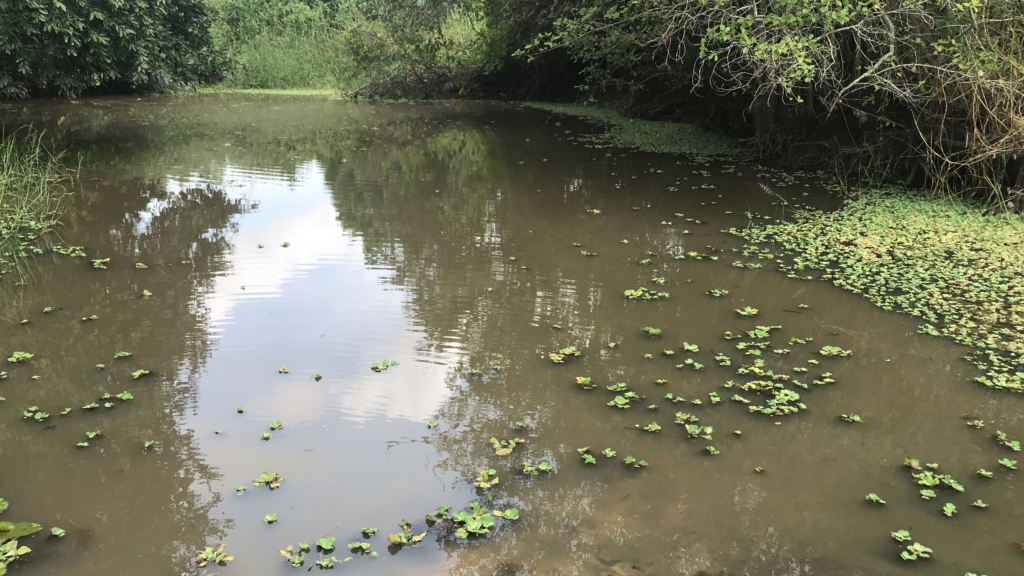
Residents are forced to rely on a man-made dam, created for farming purposes, for their domestic water needs. This dam also serves as a source of drinking water for cattle in the area, which poses a severe health risk to the local population.
During a visit to the community, it was revealed that residents are left with no choice but to visit the dam as early as 4:00 am to fetch water, before the shepherds lead their cattle there to drink.
According to the locals, they dug the dam many years ago through communal labour, and it has been beneficial during the dry season when no other water sources are available.
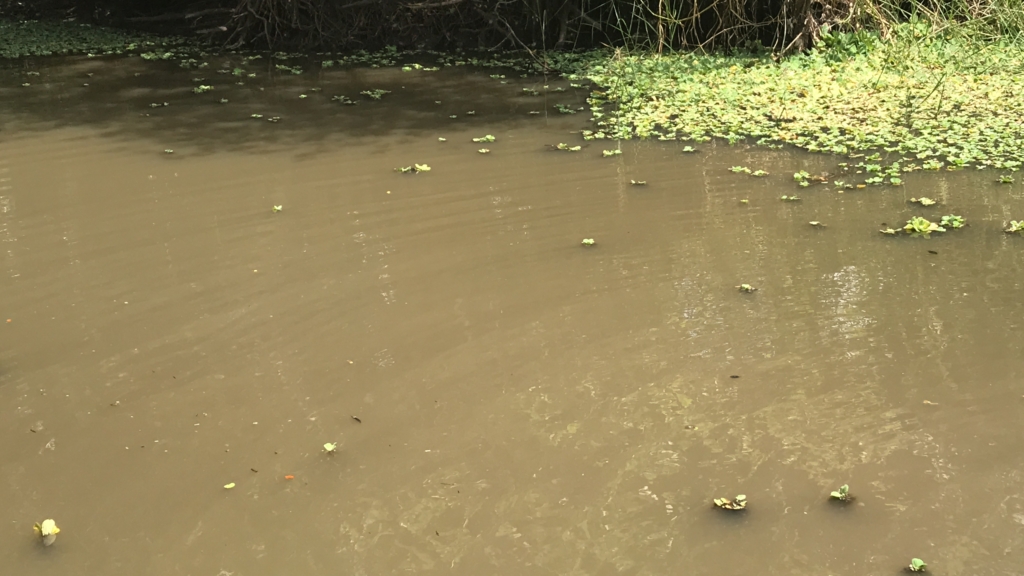
However, the dam water is not only unsafe but also unattractive. It appears brownish, with weeds covering the surface, making it particularly hazardous for children to fetch water from.
The Chief of the community, Togbe Gborglah, shared the residents' ongoing struggles. He explained that they continue to compete with cattle to have access to the water. "We share the dam with the cattle, and whenever we try to stop them from using it, the herders wake up early with their animals to drink, making the water even dirtier before we wake up to collect it," he said.
Togbe Gborglah also mentioned that several attempts to install mechanized boreholes to provide potable water had been unsuccessful. Despite numerous appeals to individuals, organizations, and the government, the community’s pleas have gone unanswered.
He expressed frustration with politicians, saying, “We don’t have water, we don’t have motorable roads, but they find their way here to engage us. After we vote for them, they never return to help us.”
One resident described the health risks posed by the contaminated water. “We are exposed to skin and waterborne diseases, such as diarrhoea and itchy skin, whenever we bathe in it, especially during the rainy season,” she said.
Others voiced concerns about the dam being used for fishing. "One difficult issue is that, in some seasons, people from neighbouring villages come to fish in the dam. This makes the water even worse—turning black and muddy. So, the dam is not a reliable water source for the community," a resident complained.
The water situation is also affecting education in the community. Zomayi has several basic schools, including the Zomayi D/A Kindergarten, Primary School, and Junior High School (JHS), where over 400 children receive their education.
Many of the students are forced to wake up at dawn to fetch water before school. Some students, particularly those who live closer to the dam, fetch water during break time after the cattle have had their drink. One female student explained, "I prefer to fetch the water during school hours because by then, the mud has settled at the bottom of the dam."
A female teacher, who also uses the same dam water for bathing and washing clothes, shared her distress: "It is heartbreaking as a mother, a teacher, and a woman. We use water a lot, but in this community, we don’t have potable water. The only water we have is shared with the animals. The animals drink from the dam while we also fetch it."
She continued, "Because of this, I don’t use the dam water to cook. I buy a sachet of water instead. I have a baby, and I can't use that water to prepare meals for him. Even sachet water is hard to find locally. Sometimes, we have to cross the Volta River to get it, so it’s very disturbing. We are not comfortable here."
For many residents who cannot afford to buy sachet water, the dam remains their only option, even for cooking. "This is the only water we have for drinking and all other needs, including for our children. We share it with the cattle, and the situation is even worse in the dry season. Even when we bathe in it, we get rashes. The hospital is far from here. We are pleading for potable water. We are also Ghanaians, and we need water," a resident stated.
Zomayi is one of many farming communities in the Tongu enclave of the Volta region. The locals are primarily involved in cash crop farming and seasonal fishing. They suggest that the only solution to their water problem is to tap into the Volta Lake to supply the community with water.
Latest Stories
-
Police restore calm after swoop that resulted in one death at Aboso
1 minute -
Bawumia calls for NPP unity ahead of 2028 elections
9 minutes -
Fifi Kwetey brands calls for Mahama third term as ‘sycophancy’
20 minutes -
‘Ghana’s democracy must never be sacrificed for short-term politics’ – Bawumia
24 minutes -
Bawumia congratulates Mahama but warns he “cannot afford to fail Ghanaians”
26 minutes -
Ebo Noah arrested over failed Christmas apocalypse and public panic
1 hour -
CICM backs BoG’s microfinance sector reform programme; New Year Debt Recovery School comes off January-February 2026
2 hours -
GIPC Boss urges diaspora to invest remittances into productive ventures
2 hours -
Cedi ends 2025 as 4th best performing currency in Africa
2 hours -
Obaapa Fatimah Amoadu Foundation launches in Mankessim as 55 artisans graduate
3 hours -
Behold Thy Mother Foundation celebrates Christmas with aged mothers in Assin Manso
3 hours -
GHIMA reaffirms commitment to secured healthcare data
3 hours -
John Boadu pays courtesy call on former President Kufuor, seeks guidance on NPP revival
3 hours -
Emissions Levy had no impact on air pollution, research reveals
4 hours -
DSTV enhanced packages stay in force as subscriptions rise following price adjustments
4 hours