

Audio By Carbonatix
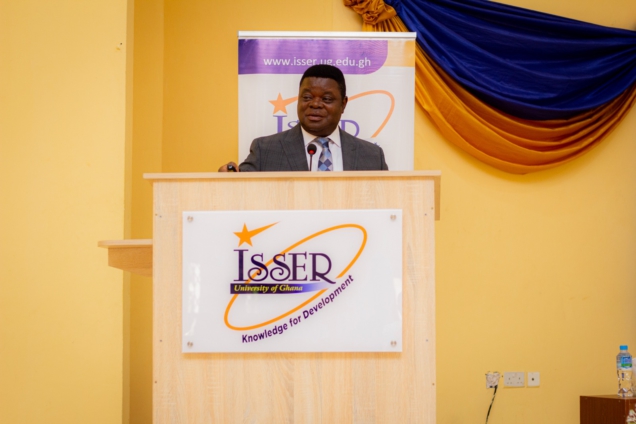
The Director of the Institute of Statistical, Social, and Economic Research (ISSER), Professor Peter Quartey, has emphasised the need for Ghana to draw lessons from Zambia's recent debt exchange programme at this year's ISSER Development Dialogue.
The event's theme, "The Effects of a Second Round of Debt Exchange in Ghana" set the stage for a valuable comparison.
Zambia successfully restructured US$6.3 billion in debt owed to official bilateral creditors. This was accomplished by extending debt maturities by more than 12 years and reducing interest rates to 1.0% for 14 years, rising to a maximum of 2.5% thereafter.
This strategic move was estimated to save Zambia approximately US$5.0 billion in debt service payments from 2023 to 2031.
In contrast, Zambia committed to repaying its official creditors around US$750 million over the next decade, a significant reduction from the nearly US$6.0 billion initially owed.
As Ghana navigates its own debt exchange journey, Prof Quartey stressed the importance of these lessons.
Ghana is currently finalizing its bilateral debt agreements, with domestic debt management posing additional challenges.
One key lesson from Zambia is the importance of preserving domestic financial stability.
Zambia chose not to restructure non-resident holdings of local currency bonds and Treasury bills, prioritizing the health of its financial sector. This decision offers Ghana valuable insights:
- The Scramble for Treasury Bills: High interest rates on Treasury Bills can worsen the debt situation and cause financial stress.
- Crowding Out of the Private Sector: Heavy government investment in Treasury Bills can discourage private sector investment, hindering economic growth.
- Impact on Lending Rates: High lending rates deter private sector borrowing, affecting businesses and economic growth.
- Financial Sector Health: Protecting the stability of the financial sector is crucial for overall economic well-being.
Professor Quartey concluded by emphasising that Ghana's ongoing debt exchange should be guided by the lessons from Zambia.
Striking the right balance between securing favourable terms and safeguarding domestic financial stability is vital, paving the way for a more stable and prosperous economic future.
Latest Stories
-
Ex-Defence Ministry procurement director to face prosecution over GH¢4.8m scandal
13 minutes -
Gov’t committed to finishing Tema Motorway by 2027, says Agbodza
19 minutes -
OSP under threat from political interference — Kissi Agyebeng calls for constitutional protection
23 minutes -
T.I. Ahmadiyya SHS, Kumasi, celebrates 75 years of excellence
32 minutes -
Court orders SHS students to pay compensation for assault on teacher
33 minutes -
Mahama assents to 5 bills, including key amendments on security, education and finance
39 minutes -
Students of Nkwantanang M.A 6 Basic School benefit from ‘Break the Silence’ Menstrual Awareness Initiative
41 minutes -
Fuel price hike exposing NDCs’ deceitful politics—Mercer
43 minutes -
Farmers trained in snail rearing, beekeeping and mushroom cultivation under EMBRACE project
49 minutes -
Insurance contracts railroaded by unseen political hands – IMANI
54 minutes -
When Builders Are Broken: A nation’s conscience on trial
59 minutes -
Otto Addo: A pointless gamble that failed spectacularly
59 minutes -
Bond market: Turnover declines by 59% to GH¢377.59m
1 hour -
Touching children’s lives elevates me – James Kofi Annan
1 hour -
Police arrest man over viral threats against High Court judge
1 hour