

Audio By Carbonatix
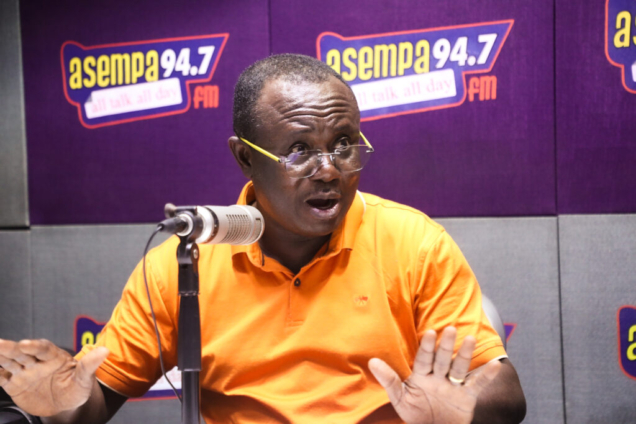
The Chair of the New Patriotic Party’s Presidential Elections Committee, Joseph Osei Owusu, has acknowledged that the Domestic Debt Exchange Programme (DDEP) significantly contributed to the party’s defeat in the 2024 general elections, particularly through its impact on the middle class.
Mr Osei Owusu conceded that the political implications of the programme were not fully appreciated at the time.
“One area I did not properly assess was the effect of the DDEP on the middle class. We underestimated it, and I personally underestimated it,” he admitted in an interview with Channel One TV.
He noted that public protests and demonstrations by groups affected by the programme should have served as a clearer warning of growing dissatisfaction among a key voter bloc.
“I witnessed the picketing and saw the calibre of people involved. In hindsight, that should have made it clear that we were losing the middle class,” he said.
Osei Owusu also pointed to low voter turnout as a major factor in the party’s electoral loss, explaining that reduced participation among NPP supporters weakened its overall performance at the polls.
Despite the setback, he expressed optimism about the party’s future, stressing the need for honest introspection and strategic rebuilding ahead of the 2028 general elections.
According to him, the NPP must critically evaluate the causes of its defeat and take deliberate steps to rebuild trust and reconnect with the electorate as part of its reorganisation efforts.
The Domestic Debt Exchange Programme was rolled out by the Akufo-Addo administration at the height of Ghana’s economic crisis as a key measure to restore debt sustainability.
Latest Stories
-
MTN set to deploy 5G services after winning spectrum licenses worth US$202m
1 hour -
NPP national elections: 3,000–4,000 police to handle security, traffic in Kumasi – Karbo
3 hours -
Atta Akyea fumes as Manhyia MP is to spend another night in EOCO custody
4 hours -
SSNIT says La Beach clearance was to protect hotel investments, beaches to remain public
5 hours -
APSU congratulates St Augustine’s College after back-to-back National Investment Quiz wins
5 hours -
Renewed flood intervention at Mallam Junction raises hopes among residents, businesses
5 hours -
St Augustine’s College retain National Investment Quiz title after nail-biting grand finale
6 hours -
Education infrastructure investment will drive Banda’s development – Ahmed Ibrahim
6 hours -
Teacher unions strike: Gov’t presents fresh proposals as talks end inconclusively
6 hours -
51,000 teachers’ promotion arrears to be validated for October payment – Education Minister
7 hours -
Kwabena Boamah appointed Board Chair for Impact Investing Ghana
7 hours -
Striking teacher unions to meet Fair Wages and Salaries Commission on October 6
7 hours -
EOCO working with AG to arraign Nana Baffour Awuah before weekend court
7 hours -
Duraplast reassures customers after fire, announces October 5 reopening
7 hours -
Call off strike, gov’t will not renege on promotion arrears pledge – Haruna Iddrisu to teacher unions
7 hours