

Audio By Carbonatix
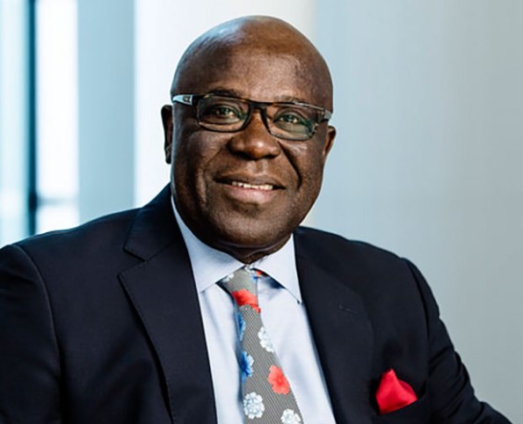
Chancellor of the University of Cape Coast, Sir Samuel Esson Jonah, has sounded a critical alarm on the pervasiveness of corruption within Ghana’s public institutions, describing its effect as deeply corrosive to national values and governance.
Speaking at the Graphic National Development Series, Sir Jonah highlighted how corruption has become so embedded in society that many view it as almost a cultural norm rather than an anomaly.
"Corruption has become so pervasive that many Ghanaians consider it as an intrinsic part of culture, and not to be corrupt as a social anomaly,” he noted, pointing to a shift in societal attitudes that view non-corruption as "unbusinesslike" and even naive.
Sam Jonah argued that the current governance landscape is marred by scandals that seem to worsen with each passing year.
According to him, political and executive figures rarely face disciplinary measures for corruption, graft, or illicit wealth accumulation, and such offenses are often overlooked if they occur within the ruling government’s sphere of influence.
"Rather than emulate the selfless spirit of our heroes, governance is replete with scandals, which get worse by the day; and governments do not only spare the corrupt within their own bracket, we hardly hear of disciplinary action against public officials traceable to executive graft, corruption, self -aggrandizement, or unexplained wealth," he said.
Sir Sam also voiced apprehension regarding the declining integrity within Ghana’s legislative body.
“When even the legislature, which should embody the principles of law, ethics, and virtue, shows signs of malice, the people’s hope and confidence plummet,” he stated, noting the erosion of trust in the institutions designed to uphold transparency and justice.
Addressing Ghana’s broader challenges, he remarked, “We are confronted with issues that go to the heart of our challenges: economic decline, corruption, environmental degradation caused by illegal mining, and the erosion of patriotism. Amidst all of these, we live in an emerging culture that prioritises personal gain over collective well-being.”
Latest Stories
-
NACOC concludes four-day anti-drug operation in Eastern, Greater Accra regions
9 minutes -
Cedi dips further as external shocks intensify; one dollar equals GH¢11.70 at forex bureaus
22 minutes -
Sampa chieftaincy dispute: Sammordua dragged to court for contempt
29 minutes -
Okyere Baafi calls for suspension of Publican AI system over ‘serious flaws’
32 minutes -
Fuel fraud: OSP uncovers “secret collusion” between 5 oil companies and 3 state entities
38 minutes -
VIP Transport defends fare increase over rising fuel and maintenance costs
53 minutes -
LGBTQ+ issues not a priority for Ghanaians – Felix Kwakye Ofosu
1 hour -
Kwakye Ofosu rejects NPP Minority’s call for apology over anti-LGBTQ bill
1 hour -
Music giant Universal gets $64bn takeover offer
1 hour -
NPP criticism of anti-LGBTQ Bill ‘nothing more than political posturing’ — Kwakye Ofosu
2 hours -
Joy FM was birthed over a bowl of fufu’ – Tommy Annan-Forson shares interesting story
2 hours -
World Athletics to introduce standalone World Marathon Championships from 2030
2 hours -
Africa’s voice in global journalism grows as funding, AI and misinformation shape newsrooms
2 hours -
First Atlantic Bank holds Annual General Meeting, reports strong growth and bold outlook for 2026
2 hours -
Ghanaian-founded fintech WeWire secures Canadian PSP license to bridge African, global payments
2 hours