

Audio By Carbonatix
The Ghana Police Service and the media have been advised to desist from showing the faces of suspects.
According to a Lecturer at the Faculty of law at KNUST, Maame Efua Addadzi-Koom, publishing faces of suspects is an abuse of their rights.
Speaking on JoyNews' The Law , on Sunday, she said that “criminal suspects are a few of the people whose rights are not respected at all.” She added that there could be a few instances where the Police may want to show the faces of the suspects. However, those can be done without exposing them to the public.
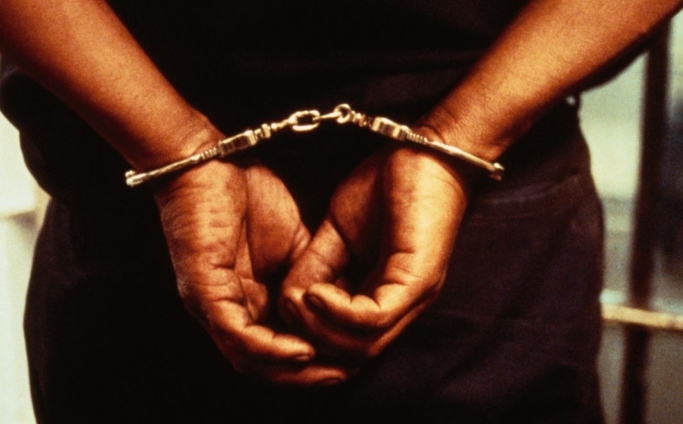
In such cases, Madam Addadzi-Koom stated that “even on TV they could show without showing their faces or front. They can show the person being handcuffed behind. There are ways the media can still capture an arrest or suspect being led to police custody without showing the person's face, so it is doable.”
The law lecturer noted that publishing suspects' images expose them to public ridicule and hatred even when they are proven innocent.
She explained that there are already existing laws that bind the Police to respect the rights of these suspects. However, they are not being implemented by the Police administration.
“In my opinion, it doesn’t border on the legality per se, but a matter of Police procedure in a way that would give life to constitutional provisions and rights. Whiles the law is there, what are the steps taken administratively to ensure that law is given life and fulfils its purpose?” she quizzed.
The law lecturer however applauded the Police administration for promising to ensure that suspects are protected.
She explained that the steps taken by the Police show the country is moving up in observing and preserving the rights of suspects.
Madam Addadzi-Koom added that this can serve as “one of the ways in which the law will ensure that the presumption of innocence is preserved and that suspects status remains as such without affecting them in the future.”
She indicated that suspects whose names and images are published or broadcast can sue the media houses for infringing on their rights.
The lecturer said, “you can do that concurrently. So while your trial is going on, because it is a procedure or it’s your right that has been infringed upon and it doesn’t have to wait for a conviction or anything otherwise. So you can send your issue to the court while that is going on. “
Maame Efua Addadzi-Koom also advised that instead of filing a report to the Police to address your concern, it would be most beneficial for the suspect if the report is filed directly at the court.
She explained that this might expose the case into the public domain and probably help mitigate the damage the media coverage on the ongoing trial might have on the suspect’s image.
Latest Stories
-
Suhum MP vows NPP will probe Gold-for-Reserves in 2029
8 minutes -
Ghana to host Zimbabwe’s President Mnangagwa on three-day state visit
11 minutes -
Ghana pushes for stronger West African blue economy partnership at Liberia fisheries investment conference
12 minutes -
Ghana hosts high-level African climate strategy meeting ahead of COP31 and COP32
29 minutes -
Today’s Front pages : Tuesday, March 31, 2026
45 minutes -
President Mahama welcomes Zimbabwe’s Mnangagwa for three-day state visit
50 minutes -
Dr Anthony Adjiepong’s Pharmatrust Pharmacy receives top recognition at UG’s White Coat ceremony
1 hour -
OMCs increase in fuel prices at pumps: GOIL sells petrol at GH¢13.30 and diesel GH¢17.10
1 hour -
Gender Ministry convenes Equity Committee meeting, commissions secretariat to strengthen coordination
2 hours -
Aggie Asiimwe Konde: Soil is Africa’s hidden growth asset
2 hours -
Fiscal slippage could weigh on Ghana’s credit rating – S&P warns
3 hours -
Gender Ministry reviews Anti-Trafficking Action Plan to strengthen implementation
3 hours -
Fidelity Bank supports UG’s ‘One Student, One Laptop’ initiative
3 hours -
Ellembelle MP donates 1,000 set of furniture to KIMTECK
3 hours -
We’re focused on basic needs, not Anti-LGBTQ Bill – Mahama
3 hours