

Audio By Carbonatix
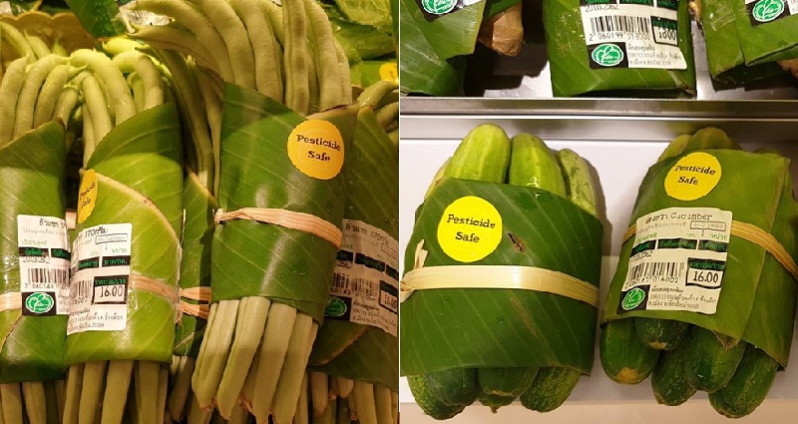
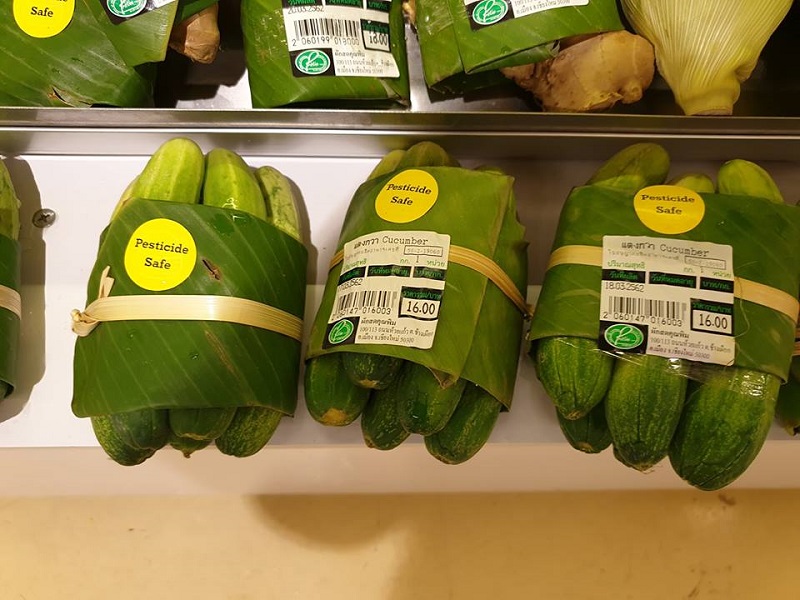
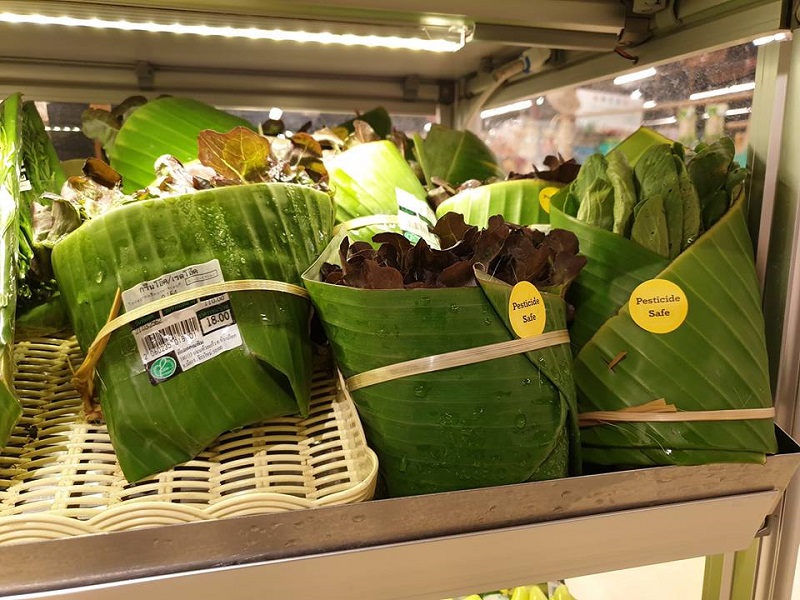
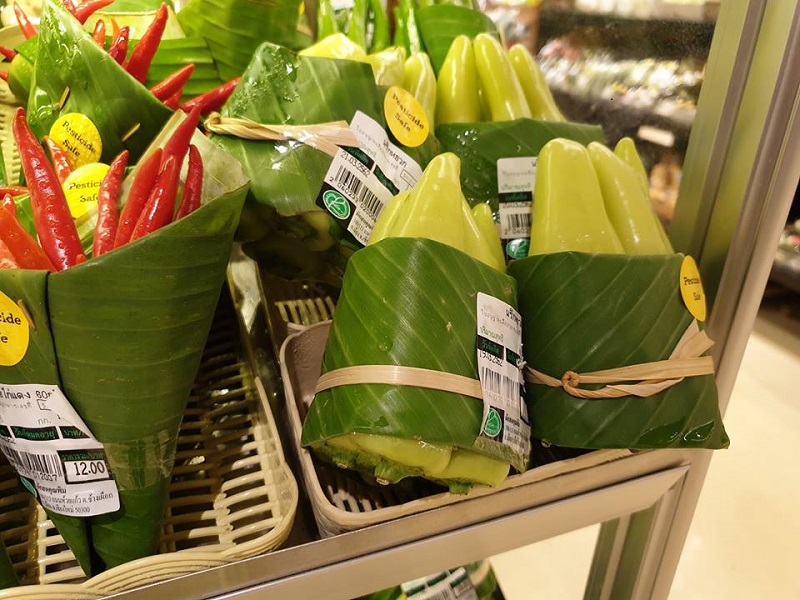
Supermarkets in Vietnam have adopted an initiative from Thailand that makes use of banana leaves instead of plastic as a packaging alternative.
Rimping Supermarket in Chiangmai, Thailand earned praise on Facebook for coming up with the eco-friendly packaging after a local firm featured it on their page last week.
The novel idea, which was an instant hit among netizens, soon caught the attention of Vietnamese supermarkets.
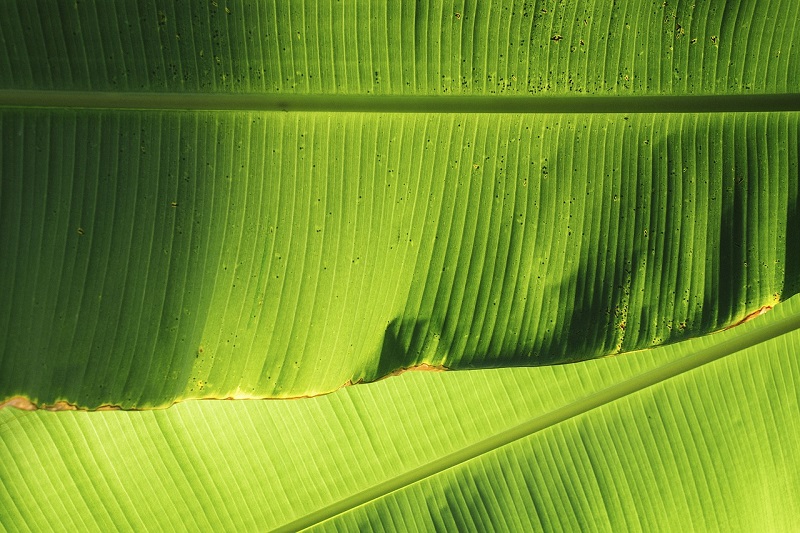
Big supermarket chains in Vietnam, such as Lotte Mart, Saigon Co.op, and Big C,have all started to follow in the Thai store’s footsteps by experimenting with banana leaves as a packaging alternative in their stores as well.
In an interview with VnExpress, a representative from the Lotte Mart chain shared that they are still in the testing phase but are planning to replace plastic with leaves nationwide very soon.
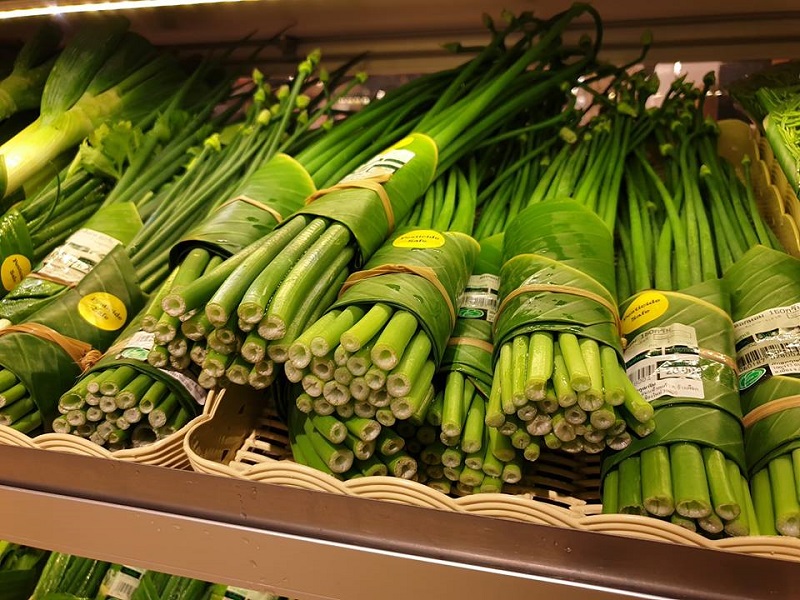
Aside from wrapping vegetables and fruits, the grocery chain intends to also use the leaves for fresh meat products.
Customers have since been applauding the effort.
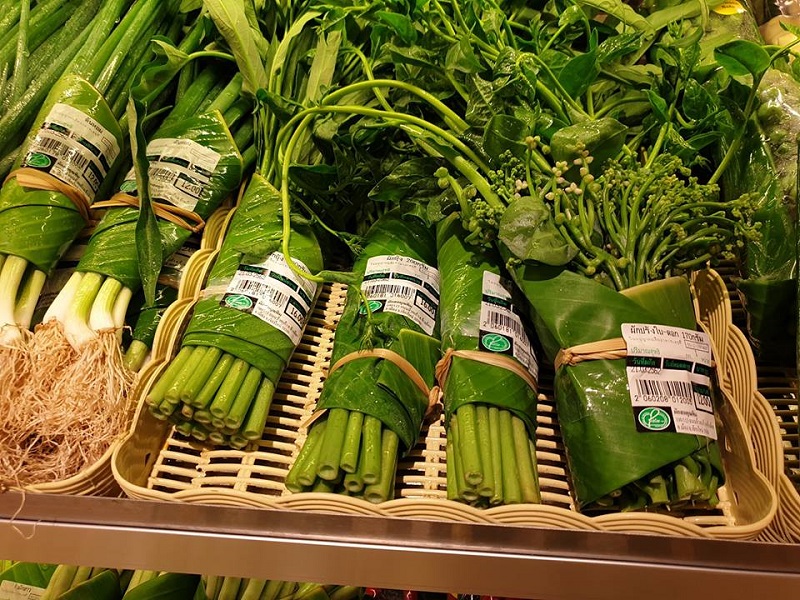
"When i see vegetables wrapped in these beautiful banana leaves I'm more willing to buy in larger quantities," a local customer named Hoa was quoted as saying, "I think this initiative will help locals be more aware of protecting the environment."
According to VN Express, the use of the leaves as packaging is a welcome addition to the numerous other efforts establishments in Vietnam are experimenting with to reduce plastic waste.
Big C, for instance, already offers biodegradable bags made with corn powder in its stores.
With Vietnam ranking number four in the world for the most amount of plastic waste dumped into the ocean, such efforts are of the utmost importance.
A recent report highlighted the incredible amount of plastic waste by Vietnamese people, disposing of about 2,500 tons of plastic waste per day.
As a Vice report noted, banning or reducing single-use plastic bags in supermarkets is a growing trend in Asia.
Just recently, South Korea banned the use of disposable plastic bags, requiring supermarkets and other commercial establishments to provide recyclable containers to customers.

Singapore supermarkets have also been launching campaigns informing the public on the need to reduce plastic bag use. Meanwhile, Taiwanese shops have started charging for single-use plastic bags to discourage customers from using them.
Meanwhile, China has seen a 66% drop in plastic bag use in over a decade since banning the use of ultra-thin plastic bags in 2008.
Latest Stories
-
The Ghanaian prophet and the mysterious death of his scottish wife Charmain Speirs
38 minutes -
Nearly 400 sentenced in Nigeria for links to militant Islamists
60 minutes -
Ghana’s recovery supported by gold strength despite global oil price pressures – Standard Bank Research
1 hour -
Kwaku Azar writes: A-G vs OSP
2 hours -
Mfantsipim–Adisadel rivalry built excellence, not division – Sam Jonah
2 hours -
Vice President launches Mfantsipim’s 150 years of shaping Ghana’s greatest mind
2 hours -
I assure Otumfuo, Mahama will join him to commission KNUST Teaching Hospital by end of this year – Haruna Iddrisu
3 hours -
Barcelona dominate derby to extend La Liga lead
3 hours -
Gov’t to roll out free special education for persons with disabilities from July 1 – Education Minister
3 hours -
Importers and Exporters Association declares full support for Publican AI port system
4 hours -
“We used it to test our officiating officials’ readiness” – Bawah Fuseini after CAA Athletics event
4 hours -
Volleyball emerges as Ghana’s fastest rising sport
4 hours -
National Sports Fund needs strong leadership from the top – Administrator David Wuaku
4 hours -
JoySports Exclusive: Steve McLaren in talks with GFA after expressing interest in Black Stars job
4 hours -
Fire guts auto parts warehouse at Bubuashie, one fire officer injured
4 hours