

Audio By Carbonatix
In Ghana, millions of discarded plastic bags and water sachets made from polyethylene blends choke gutters and litter communities. With only about 5% of plastics recycled nationwide, most end up in landfills, rivers, or are burned, contributing to floods and even cholera outbreaks.
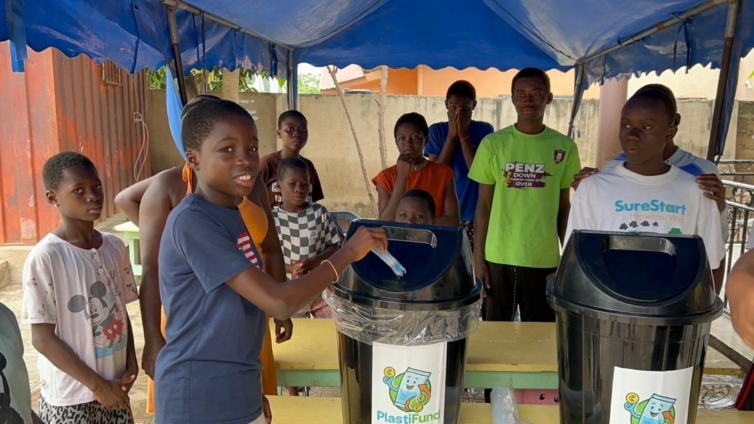
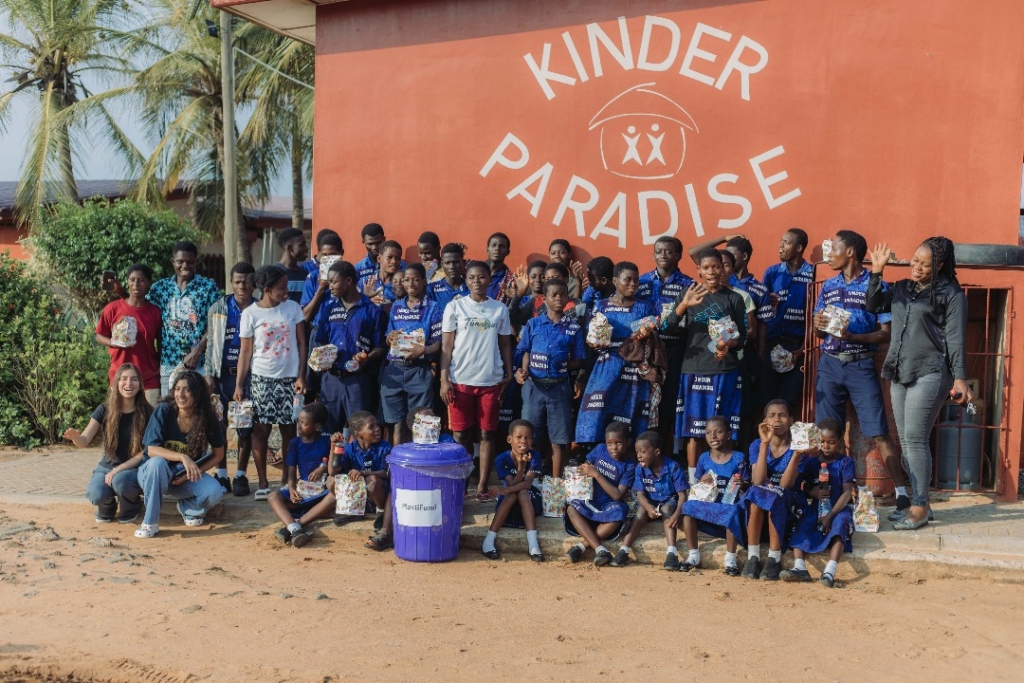
But a youth-led initiative called PlastiFund is turning this pollution into an opportunity by partnering with recycling industry leader Blowplast to empower children, particularly orphans, to collect and recycle polyethylene waste. This initiative exemplifies how Ghana can transform plastic trash into a social and economic treasure.
Understanding Polyethylene: Ubiquitous but Challenging
Polyethylene is the world’s most widely used plastic, produced from ethylene monomers under pressure-driven polymerization processes. It is not a single material but a family of plastics—commonly including Low-Density Polyethylene (LDPE), Linear Low-Density Polyethylene (LLDPE), Metallocene Linear Low-Density Polyethylene (MLLDPE), and High-Density Polyethylene (HDPE).
These grades are often combined in multilayer films on three- or five-layer co-extrusion blown film lines, providing water sachets and bags with the balance of flexibility, strength, and sealability required for daily use. Polyethylene’s thermoplastic nature (softening when heated and hardening upon cooling) and its chemical resistance to acids and oils make it ideal for food and water packaging.
Ghana’s Plastic Pollution Crisis: The Polyethylene Problem
Ghana generates approximately 1.1 million tonnes of plastic waste annually, yet only about 5% of it is recycled. Sachets and bags, largely made from polyethylene blends, are less frequently recycled than PET bottles or rigid HDPE containers. Improperly discarded sachets clog drains in Accra, Kumasi, and Tema, worsening floods during rainy seasons and contributing to outbreaks of cholera.

When exposed to sunlight, polyethylene degrades and emits methane and ethylene gases, both potent greenhouse contributors. Beyond this, littered sachets and bags pose serious risks to land and marine ecosystems.
Why Is Polyethylene So Hard to Recycle?
Polyethylene is technically recyclable, but processing is logistically and economically difficult. Its flexibility causes it to jam equipment in facilities designed for rigid plastics, while residues from food and drink packaging raise cleaning costs. Recycled polyethylene pellets also tend to fetch lower prices than virgin material, which discourages recyclers.
Turning Waste into Wealth: Blowplast’s Mechanical Recycling
At Blowplast’s recycling plant in Tema, discarded polyethylene sachets and bags go through a carefully designed multi-stage process. The plastics are sorted, pre-washed, shredded, and cleaned through friction washing and sink–float separation. They are then dried using mechanical squeezing, compacted, melted through extrusion, and pelletized into uniform black pellets before being bagged for reuse.
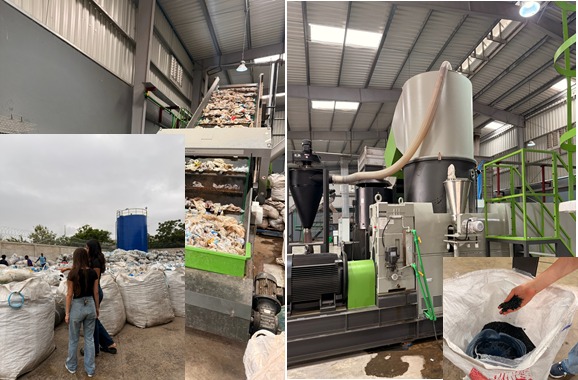
These pellets are later molded into products like garbage bags, pipes, and household plastics. By closing the loop, Blowplast reduces reliance on virgin raw materials and demonstrates how post-consumer waste can be turned into valuable resources for Ghana’s circular economy.
The PlastiFund Project: Empowering Orphans for a Circular Economy
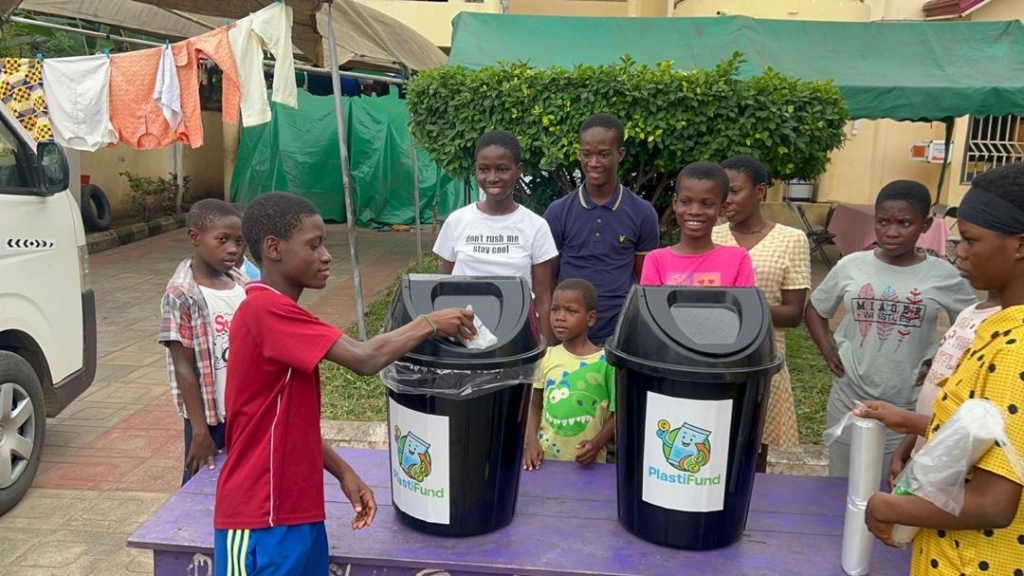
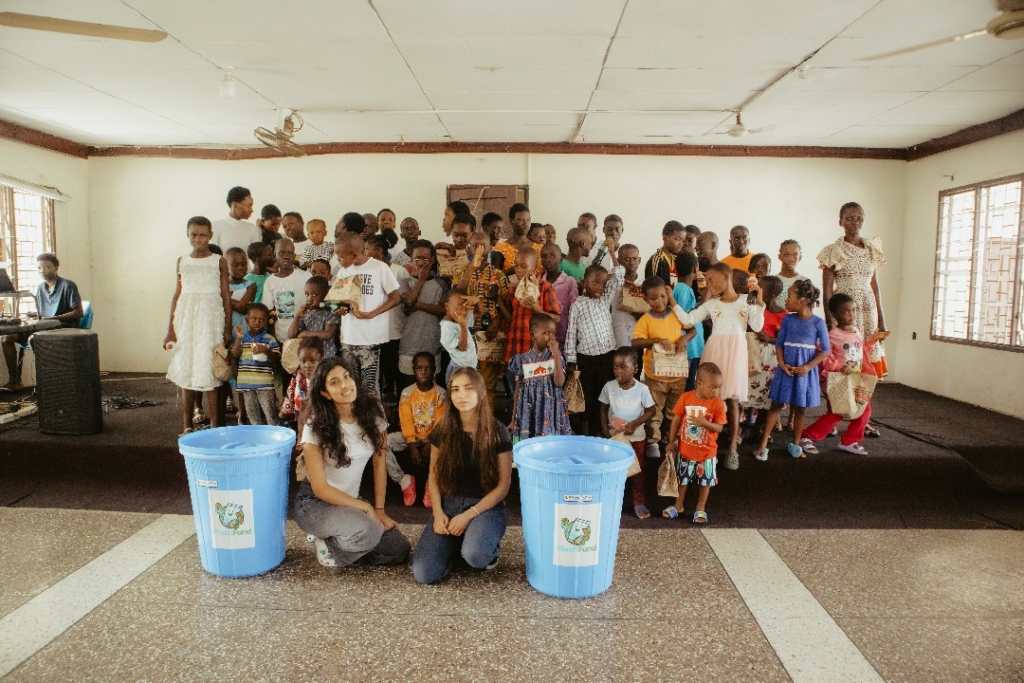
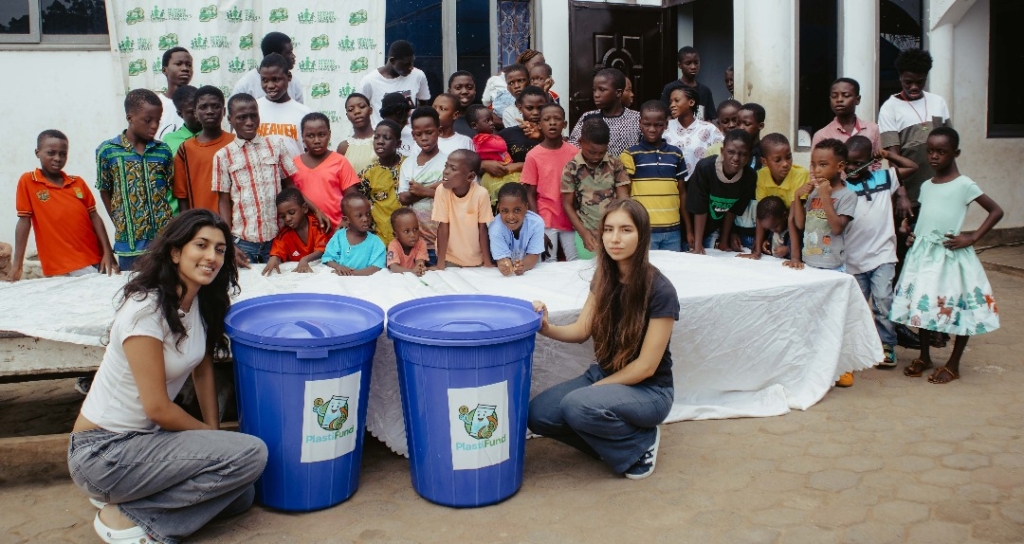
PlastiFund, founded by students Arshia Lakhiani and Lila Favilli, mobilises orphans across 10 orphanages in Ghana to collect sachets and plastic bags for recycling. Partnering with Blowplast, they set a fair price per kilogram of plastic collected. Over 1,000 orphans now participate, turning waste collection into income for orphanages.
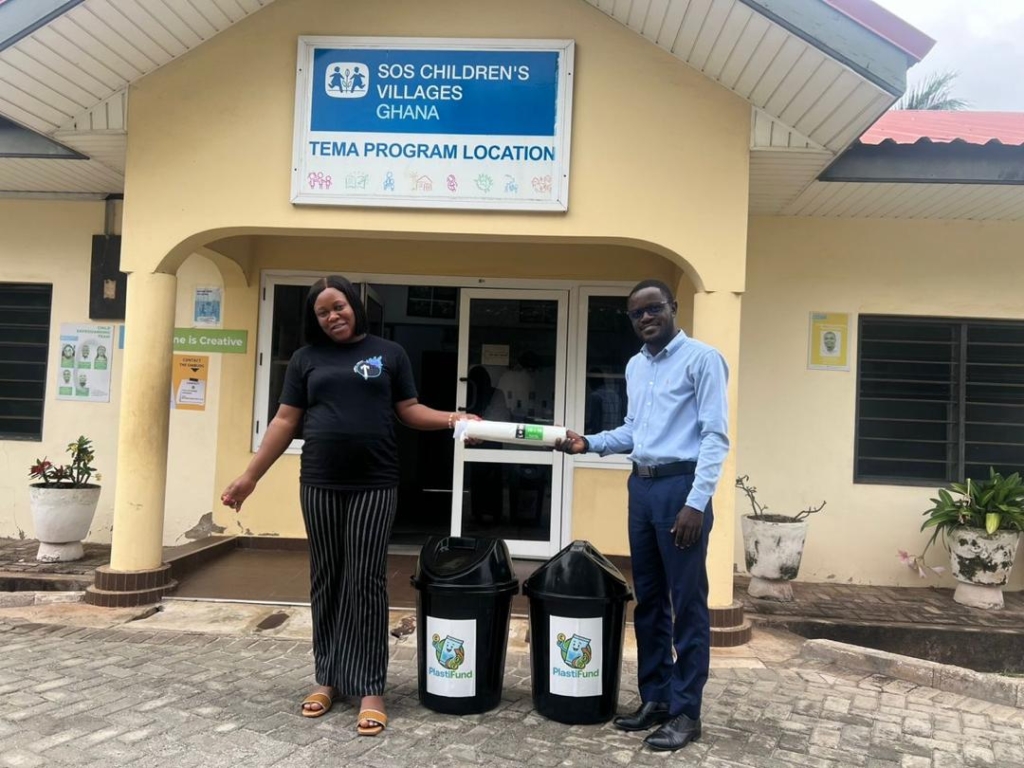
This initiative not only provides income but also instills recycling habits and supplies Blowplast with cleaner, sorted plastic feedstock. It is a model of how community empowerment can align with industrial sustainability.
Future Solutions for Polyethylene Waste: Beyond Mechanical Recycling
While mechanical recycling is currently the most practical solution, other methods such as pyrolysis and catalytic pyrolysis show potential for the future.
Pyrolysis involves heating polyethylene waste in the absence of oxygen to produce pyrolysis oil, syngas, and char. It is versatile but energy-intensive and not yet cost-effective in Ghana.
Catalytic pyrolysis introduces catalysts (such as zeolites or silica-alumina) that lower reaction temperatures and yield higher-value outputs like gasoline-range fuels and valuable chemical feedstocks. Though promising, challenges remain in catalyst stability and feedstock consistency.
Moving Forward: Recommendations and Potential
Scaling polyethylene recycling in Ghana will require:
● Investment in affordable, durable catalysts for pyrolysis.
● Integration of new recycling methods with Tema’s petroleum infrastructure.
● Improved sorting and cleaning technologies.
● Stronger government support, such as recycled-content mandates and incentives for private-sector participation.
Public-private partnerships can replicate successful initiatives like PlastiFund, expanding impact nationwide.
Conclusion
Polyethylene sachets and bags may currently be one of Ghana’s greatest environmental challenges, but through innovation, industry partnerships, and community engagement, they can also become a resource. By combining the mechanical recycling of companies like Blowplast with grassroots initiatives like PlastiFund and preparing for future technologies such as catalytic pyrolysis, Ghana can build a circular economy that tackles plastic waste while empowering its most vulnerable citizens.
Latest Stories
-
Hamamat and Wiyaala land tourism ambassadorial roles
1 minute -
A singer’s tragic death highlights Nigeria’s snakebite problem
1 hour -
Mikel Arteta: Arsenal’s 9-point lead at top of Premier League means ‘nothing’
2 hours -
Japan votes in snap election as PM Takaichi takes a gamble
2 hours -
Bloodshed in Kpandai as rival chieftaincy factions clash over gravel pit
3 hours -
Vote-buying allegations: Refer Ayawaso East incident to OSP — Mussa Dankwah tells Mahama
4 hours -
Government plots audacious 180,000-hectare coconut expansion to dominate global markets
5 hours -
AMA doubles sweepers’ wages to GH₵800
5 hours -
Ashie Moore admits defeat in war against vote buying
6 hours -
UniMAC mourns with family as student killed in road crash is laid to rest
6 hours -
Bribery scandal rocks NDC Ayawaso East primary as IMANI President demands total annulment
6 hours -
Pollster Mussa Dankwah reacts as Baba Jamal defies projections in NDC Ayawaso East Primary
7 hours -
Government to roll out Free Primary Healthcare in the first week of April
8 hours -
UPSA launches four new programmes
8 hours -
The price of inaction: Why we must invest now to end FGM in West, Central Africa
8 hours