

Audio By Carbonatix
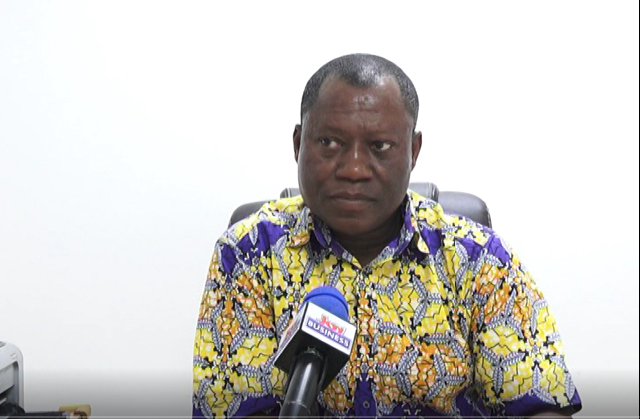
The General Secretary of the Ghana Food and Beverages Association of Ghana (FABAG), Samuel Aggrey, has raised alarm over the increasingly dire economic situation in Ghana.
Speaking on JoyNews’ PM Express, Mr Aggrey highlighted the exodus of multinational companies due to the unfavorable taxation policies and economic conditions prevailing in the country.
He underscored the need to address these issues to prevent a further economic downturn.
“The situation is getting dire. If you look at companies and service providers like Glovo, Jumia, Game, and others contemplating the possibility of leaving because of the economic situation we have.
“If you look at the taxation policy that we have in this country, it is actually not helping some of these businesses who have come in and invested so much,” he said on Thursday.
In recent years, Ghana has faced significant economic challenges characterised by high inflation rates, fiscal deficits, and currency depreciation. Also, the country has grappled with structural issues such as high public debt levels, limited diversification of the economy, and inefficiencies in public sector management. These factors have contributed to a lack of investor confidence, hindering foreign direct investment and economic development.
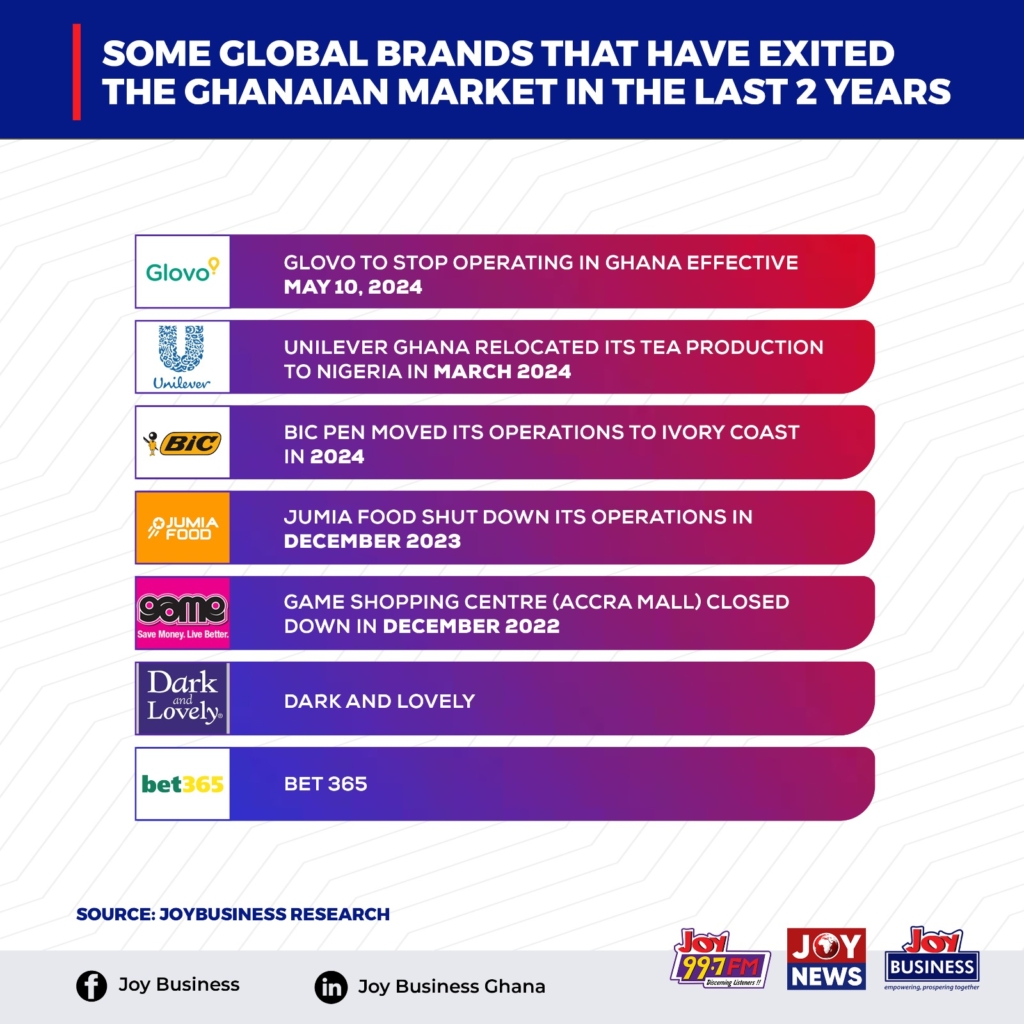
Therefore, Mr Aggrey is concerned about the increasing departure of international companies.
He highlighted the irony of Ghana's self-proclaimed status as the gateway to Africa juxtaposed with the harsh realities faced by investors on the ground.
Despite the government's efforts to attract foreign investment, he noted that the current economic climate is deterring rather than encouraging multinational companies to establish and maintain operations in the country.
“We tout ourselves as the gateway to Africa and encourage investors to come to Africa, particularly Ghana, to do business. But when you come in and you invest, you realise that it is a different ball game altogether."
He therefore stressed the importance of re-evaluating existing policies to make Ghana a more attractive destination for multinational corporations.
He urged policymakers to consider the impact of taxation policies on the economy and the sustainability of foreign investments in the country.
Latest Stories
-
Trump says he is considering firing US ambassador to Greece
2 hours -
Man City bananas ‘brought fun back’, says Varadi
2 hours -
Meta releases Muse Wonder AI models to challenge Anthropic and OpenAI
2 hours -
Daily Insight for CEOs: The CEO as Chief Decision Maker
2 hours -
Burnham had formal meeting with Man City chair while mayor
2 hours -
Is Ghana producing too many lawyers? What is the best lawyer-to-citizen ratio?
3 hours -
NDC sinking Ghana’s democracy with Emelia Agbenyo’s appointment – Miracles Aboagye
3 hours -
Seedorf back in football as Corinthians head coach
3 hours -
Hincapié and Zubimendi injured in post-match training session
3 hours -
Fridges in French supermarkets hit by cyberattack
3 hours -
Qantas flight grounded after bedbug outbreak
3 hours -
Reality Zone with Vicky Wireko: International Day of the Girl, shaping today’s girl for tomorrow’s future – ZONTA Clubs lead the way
4 hours -
Global health must be led by countries, not designed for them – Mintah Akandoh
5 hours -
Mahama honoured at 2026 World Health Summit in Berlin for global health leadership
5 hours -
Breast cancer is not a death sentence – Besease Kontire Obaapanin, Magmina Foundation lead awareness campaign
5 hours