

Audio By Carbonatix
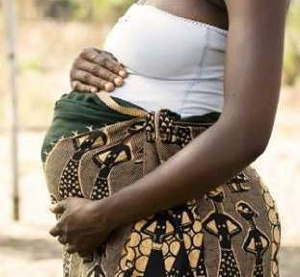
The District Health Information Management System (DHIMS) of Ghana Health has revealed that about 6,533 teenage pregnancy have been recorded in the Upper East Region.
According to statistics, teenage pregnancy cases among girls aged 10 to 14 in the region has increased from 103 in 2019 to 142 in 2020, representing a 38 per cent increase.
A press statement by the Sexual and Reproductive Health and Rights (SRHR) Network in the Upper East Region noted that poverty, difficulties in accessing Adolescent Reproductive Health information and Youth Friendly Health services and effects of the Covid-19 pandemic have fueled high rates of unintended teenage pregnancies and child marriages in the Region.
According to the organisation, the majority of the reported teenage pregnancy incidences occurred in poor and rural districts of the region, particularly in the Bawku-West, Bongo and Talensi Districts, which recorded the highest incidents in 2020.
It further indicated that the risks of maternal deaths are higher for young adolescents, with girls aged between 15 years or younger facing higher risks than older adolescents.
"The need for all hands on deck to tackle the underlying causes of high teenage pregnancies and motherhood, including stigma, poverty, social norms around expected behaviours and peer pressure to engage in sexual relations at an early age resulting in unintended pregnancies."
With the alarming increase in teenage pregnancy, SRHR called on government and other stakeholders to initiate expedient measures to curb the increasing number of teenage pregnancy.
"SRHR is urging government (Ghana Education Service, Ghana Health Service and National Youth Authority) and traditional leaders to take urgent steps to make sure that adolescent girls receive the information and support they need to protect themselves from unintended pregnancy which most of the times lead to forced marriages.
"It is this worrying trend that the SRHR Network – Upper East Region calls on all stakeholders to as a matter of urgency to initiate open and frank discussions on adopting and implementing a culturally sensitive and age-appropriate Reproductive Health Education (RHE) in schools and communities in the Upper East Region and Ghana as a whole," it added.
Latest Stories
-
Philanthropist Alhaji FuZak donates Da’wah bus to Ambariya Sunni community
2 minutes -
GUTA calls for suspension of Publican AI system over trade disruptions, demands temporary halt in import activities
4 minutes -
TTAG raises alarm over proposed recruitment of 7,000 teachers, demands national posting roadmap
38 minutes -
Civilians feared killed after reports of air strike on Nigerian market
47 minutes -
Bishop Simon Kofi Appiah installed as new Jasikan Diocese Bishop
48 minutes -
Trump’s Strait of Hormuz blockade threat raises risks and leaves predicaments unchanged
51 minutes -
US Court backs extradiction of former MASLOC CEO Sedina Tamakloe-Attionu’s to Ghana
1 hour -
Seven arrested as NAIMOS dismantles illegal mining camp, seizes firearms at Boin River
1 hour -
Fire erupts at Madina Ritz Junction, destroys multiple wooden structures and containers
1 hour -
Daniel-Kofi Kyereh returns from long-term injury, registers assist for Freiburg U23
2 hours -
Knifeman calling himself ‘Lucifer’ slashes three at NYC’s Grand Central
2 hours -
Brands are built from within to without
2 hours -
Matriculants urged to pursue excellence as gov’t reaffirms support for Maritime education
2 hours -
See the areas that will be affected by ECG’s planned maintenance on Monday, April 13, 2026
2 hours -
GPL 2025/26: Salim Adams double fires Medeama back to summit after Kotoko rout
2 hours