

Audio By Carbonatix
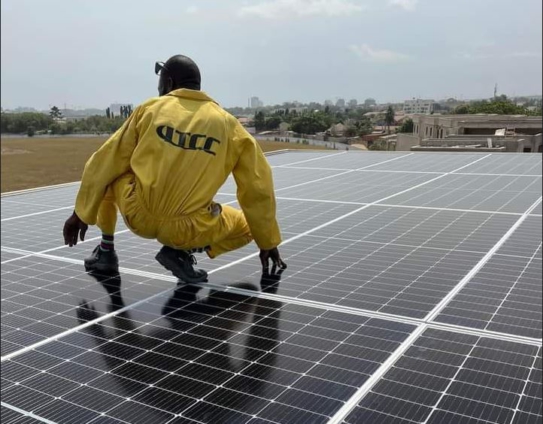
World Meteorological Organisation (WMO) recent projection has revealed that the world will fall far short of the goal of universal access to affordable, reliable, sustainable, and modern energy by 2030, as outlined in SDG 7.
According to the 2022 state of climate services report that focuses on energy, the world is not on track to meet SDG target 7.1 based on current trends.
Renewables' share of the energy mix is expected to rise to between 18% and 22% by 2030, according to projections.
It says that, despite the expected modest increases in the share of renewables in the energy mix by 2030, renewable energy systems must be expanded to meet these demands.
According to the report, the share of renewable energy sources in total final energy consumption (TFEC) in 2019 was 17.7%, up only 0.4% from the previous year.
"Renewable energy consumption increased by 2.8% from the year before, as TFEC expanded by 0.7%," the report said.
Africa has the highest overall share of renewables in its TFEC, at 54.2%; however, only 7.6%91 of that comes from modern renewables, the lowest percentage among all regions.
The report also highlighted the energy efficiency improvements that continue to fall short of the SDGs' 2030 target, as the average annual rate of improvement in global energy efficiency was 1.9% between 2010 and 2019. Although higher than the 1.2% rate between 1990 and 2010, it was still well below the 2.6% level specified in SDG Target 7.3.
"The average annual rate of improvement now has to reach 3.2% to make up for lost ground. This rate would need to be even higher – consistently over 4% for the rest of this decade – if the world is to reach NZE from the energy sector by 2050, as envisioned in IEA’s Net Zero Emissions by 2050 Scenario."
International public financing commitments for energy projects in developing countries that support SDG 7 are also said to be insufficient to mobilise the larger volumes of investment required to meet the target.
International public financial flows to developing countries in support of clean energy, for example, fell for the second year in a row in 2019, falling to US$ 10.9 billion at 2019 prices and exchange rates. This level of assistance was 23% lower than the $14.2 billion provided in 2018, 25% lower than the 2010-2019 average, and less than half of the $24.7 billion provided in 2017.
Latest Stories
-
Tamale: Alhaji Hussein Fuzak funds construction of 3-storey classroom block at Ambariya Islamic School
25 minutes -
Gender Ministry holds staff durbar, welcomes new Chief Director
25 minutes -
Anti-LGBTQ+: Mahama prioritises sentiments of development partners over Ghanaian values – Ntim Fordjour
30 minutes -
CPA intensifies crackdown on fake diapers across public hospitals
51 minutes -
Deputy Defence Minister urges failed GAF applicants to check medical disqualification reasons
54 minutes -
Video: President Mahama’s speech at One Health Summit
60 minutes -
Constitution review must protect Ghanaians values, not advance LGBTQ agenda — Haruna Mohammed
1 hour -
Foreign Affairs Ministry advises Ghanaians to take recommended vaccinations before traveling to Senegal
2 hours -
If you have fixed the economy, why hide behind basic needs to delay Anti-LGBTQ+ Bill? – Ntim Fordjour to Mahama
2 hours -
NACOC Central Regional Command partners with NSRA on drug awareness campaign
2 hours -
Galaxy, DPS and Lycee Français shine at part 2 of 2026 Ghana International School Festival
2 hours -
Project C.U.R.E. donates vital medical supplies to support GMTF’s ‘Heal Ghana’ agenda
2 hours -
Engineers and Planners Ltd secures Damang Mining Lease after grueling $500m competitive tender
2 hours -
I never went to university – Tommy-Annan Forson
2 hours -
NACOC concludes four-day anti-drug operation in Eastern, Greater Accra regions
2 hours