

Audio By Carbonatix
Participants at the just ended high-level meeting on tobacco control in Ghana have expressed concerns about the need for more rigorous structures for regulating and controlling tobacco and tobacco products within the country.
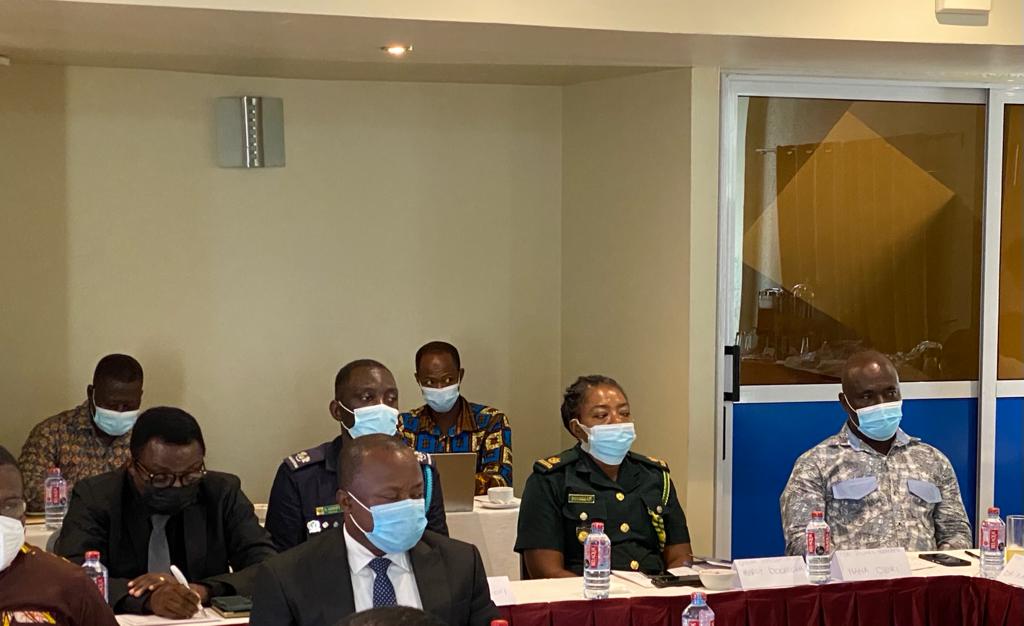
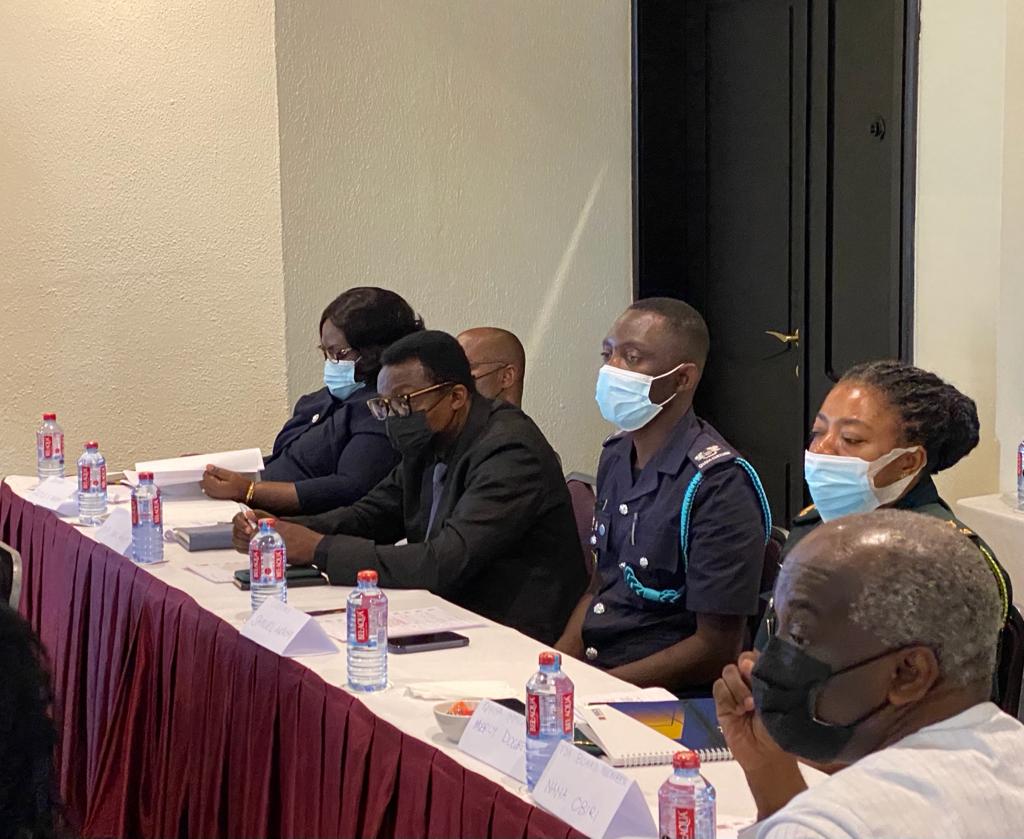
The meeting brought together about 40 participants from the judiciary, security, health services, civil society organisations, and local government.
The broad objectives of the meeting included the incorporation of strict adherence to the provisions for Designated Smoking Areas and Non-Smoking Areas as part of the prerequisites for public facilities.
Others include public sensitization on the criminal implications of non-adherence to the national tobacco control provisions and expanding access to tobacco cessation services countrywide.
Tobacco control is a global challenge that requires a sustained, concerted effort to address.
According to the World Health Organisation (WHO), more than 80% of the 1.3 billion tobacco users live in low- and middle-income countries (LMICs), where the burden of tobacco-related illness and deaths are high.
The Tobacco Atlas Ghana also estimates that over 807,600 people smoke cigarettes and other tobacco products in Ghana.
Out of this number, 75 men die every week from diseases linked to smoking and using tobacco and tobacco products.
Even more alarming is that 0.4% of boys, and 1.7% of girls in Ghana smoke shisha (Ghana Youth Tobacco Survey, 2017), a rising trend in the youth.
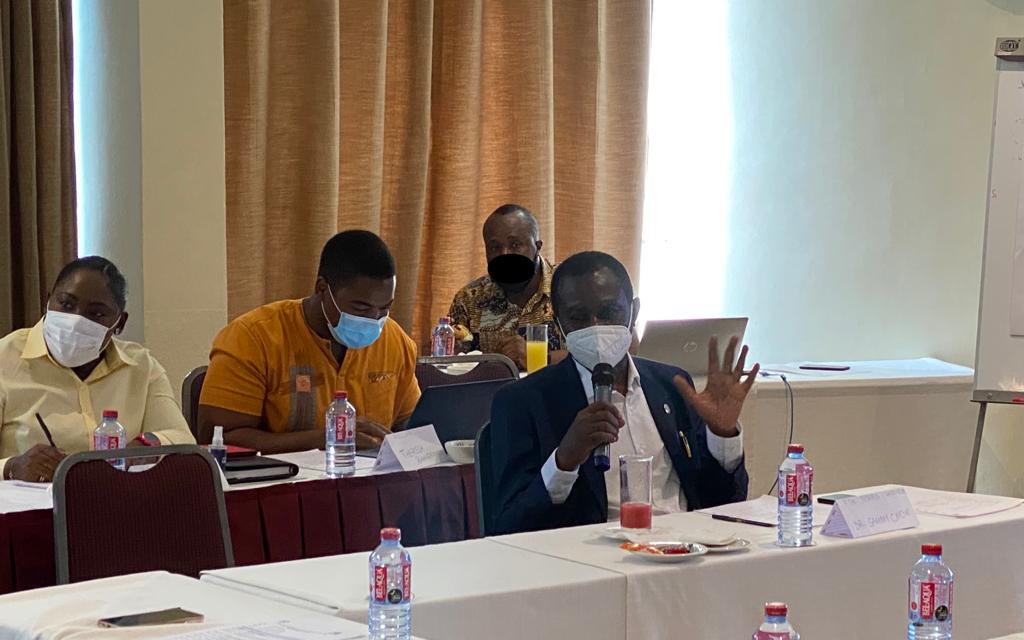
Addressing participants, the Chief Executive of FDA, represented by Akua Owusua Amartey (DCEO-Technical Operations), indicated that tobacco continues to be a threat to public health and an impediment to the actualization of the Sustainable Development Goals.
She noted that although Ghana has made significant strides in the implementation of the World Health Organisation’s Framework for Tobacco Control, there is an urgent need for stronger collaboration of all stakeholders such as the law enforcement agencies, local government, revenue authorities, creative industry etc. in the enforcement of the recently ratified Protocol to Eliminate illicit Trade in Tobacco Products in addition to the many other conventions the country has committed to.
A representative from the WHO, Dr Joana Ansong, in her remarks emphasized the need for a multi-sectoral approach to the implementation of Ghana’s tobacco control provisions in Part 6 of the Public Health Act, 2012 and the Tobacco Control Regulations of 2016, Legislative Instrument 2247.
Dr Ansong mentioned that adopting a multi-sectorial approach would help avoid duplication of efforts and other inefficiencies and maximise limited technical and financial resources to shore up the regulation and control of tobacco.
She reminded participants that a clear delineation of roles and responsibilities of all stakeholders, coupled with strong platforms for information sharing, are perquisites for the successful implementation of a multisectoral approach.
She, therefore, urged participants to join efforts and reaffirm their commitment in this fight to preserve public health and safety.
Participants committed to prioritizing actions to regulate better and control tobacco. For example, the Customs Division of the Ghana Revenue Authority indicated that with the deployment of its Integrated Customs Management Information Systems, the Revenue Authority can identify the content of incoming consignments and ensure timely sharing of the information with FDA and security agencies to effect the necessary actions.
In addition, the police and other law enforcement agencies are committed to investigating all infusions of tobacco products with other substances of abuse and prosecuting such cases to serve as a deterrent.
On the issue of tobacco cessation, participants stressed the need to strengthen Ghana’s cessation policies and establish more cessation centres outside mental health facilities to encourage people who want to quit the addiction to do so with ease.
Finally, an appeal was made to advocate for more stand-alone services to tobacco cessation and the need to incorporate these in the existing Ghana Health Service wellness centres and the Ghana Education Service’s guidance and counselling facilities.
The Psychological Association of Ghana also expressed their readiness to support the course and help candidates in their cessation drive.
Training of other critical health service delivery personnel like those in the traditional herbal treatment centres were also identified for capacity building to assist in tobacco cessation programmes.
Latest Stories
-
Ghana hosts high-level African climate strategy meeting ahead of COP31 and COP32
16 minutes -
Today’s Front pages : Tuesday, March 31, 2026
32 minutes -
President Mahama welcomes Zimbabwe’s Mnangagwa for three-day state visit
37 minutes -
Dr Anthony Adjiepong’s Pharmatrust Pharmacy receives top recognition at UG’s White Coat ceremony
51 minutes -
OMCs increase in fuel prices at pumps: GOIL sells petrol at GH¢13.30 and diesel GH¢17.10
1 hour -
Gender Ministry convenes Equity Committee meeting, commissions secretariat to strengthen coordination
2 hours -
Aggie Asiimwe Konde: Soil is Africa’s hidden growth asset
2 hours -
Fiscal slippage could weigh on Ghana’s credit rating – S&P warns
2 hours -
Gender Ministry reviews Anti-Trafficking Action Plan to strengthen implementation
2 hours -
Fidelity Bank supports UG’s ‘One Student, One Laptop’ initiative
2 hours -
Ellembelle MP donates 1,000 set of furniture to KIMTECK
3 hours -
We’re focused on basic needs, not Anti-LGBTQ Bill – Mahama
3 hours -
Mahama announces April 15 launch for Free Primary Health Care Programme
3 hours -
Government pushes scaled investment in women entrepreneurs at Accra Summit
3 hours -
Gov’t sets 12%–12.5% guidance for 7-year bond as market re-entry gains momentum
3 hours