

Audio By Carbonatix
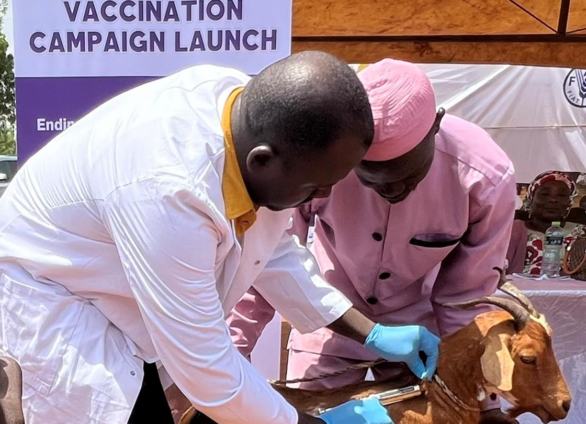
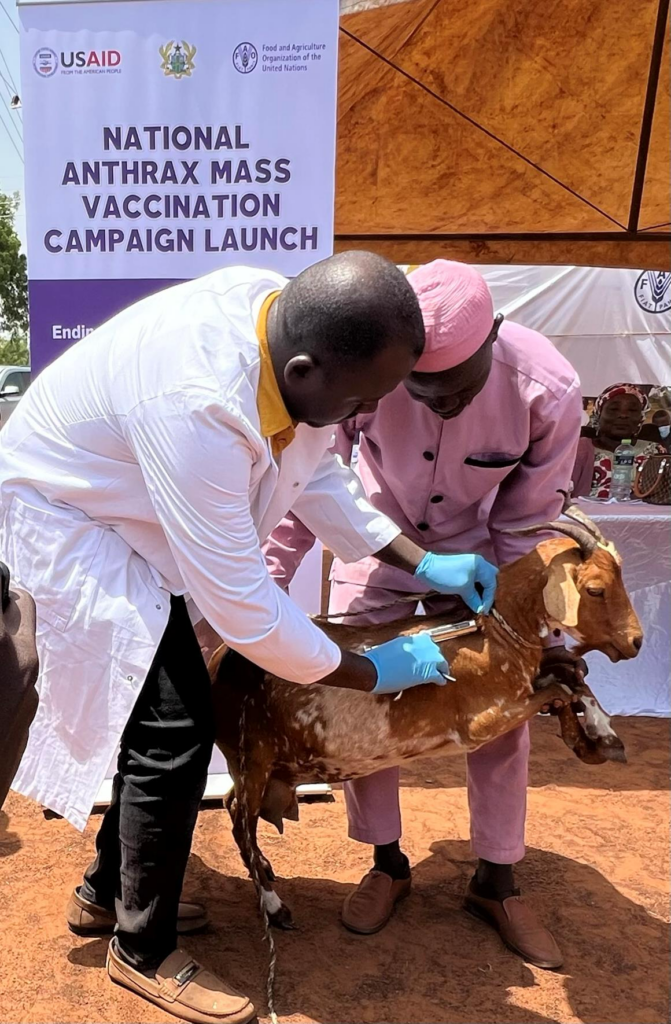
The United States Government, through the United States Agency for International Development (USAID), is donating 100,000 doses of the anthrax vaccine in support of the Ghana Government and the U.N. Food and Agriculture Organisation’s (FAO) anthrax vaccination campaign.
The campaign is expected to cover about one million animals across the five regions of the north.
“Anthrax not only threatens human life. When it destroys livestock, it also threatens economic prosperity and food security,” said USAID/Ghana Mission Director Kimberly Rosen during the launch.
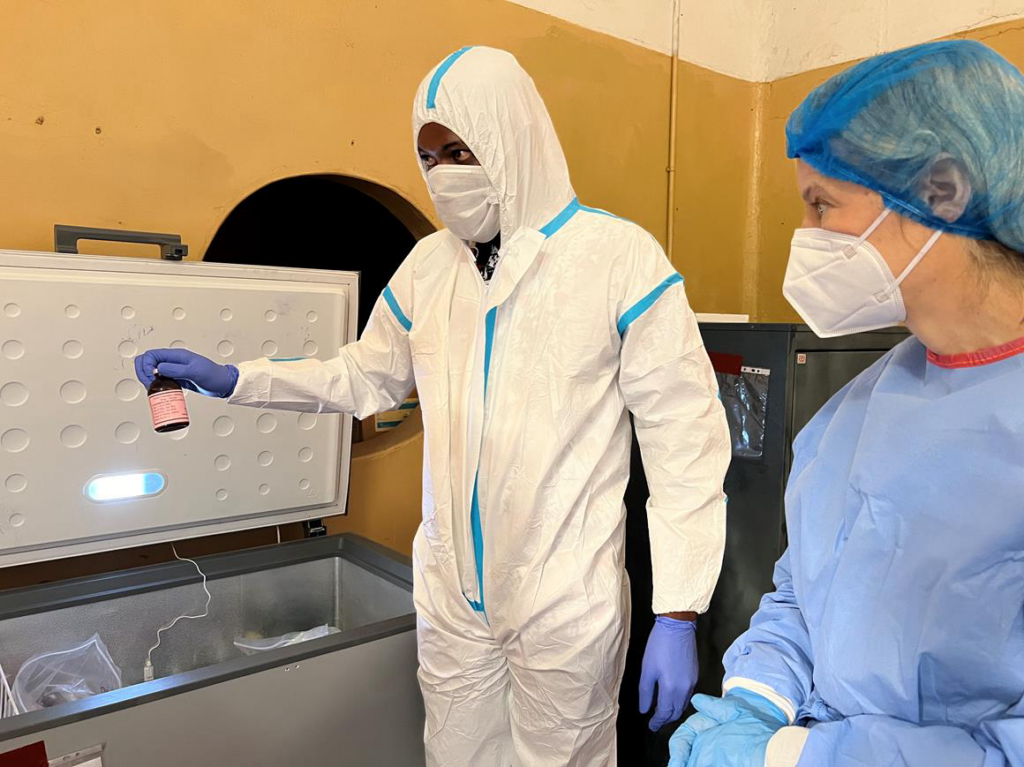
Before the launch event, Ms. Rosen and partners from FAO toured the Vaccine Production Unit of the Central Veterinary Laboratory in Pong-Tamale. In support of domestic manufacturing capacity, USAID recently purchased 100,00 anthrax vaccines from the Central Veterinary Lab to donate to the anthrax vaccination campaign.
“During our tour of the Central Veterinary Laboratory this morning, it was clear that with some automation and more investment, the lab could produce larger quantities of vaccines to meet the national market and also be exported.
"More vaccines mean healthier animals, safer humans and potential revenue and job creation for the Veterinary Service Department,” she added.
Anthrax is a serious, potentially life-threatening infectious disease that is passed from animals to humans.
Vaccination campaigns of animals like cattle, sheep, and goats, prevent the disease from occurring in animals, reducing the risk of transmission to humans.
In May 2023, Ghana experienced an outbreak of anthrax, affecting six districts in the Upper East Region. A total of 97 animals died from the anthrax outbreak.
Thirteen suspected human anthrax cases were detected, including one death. The Government of Ghana and its partners worked quickly to contain the outbreak.
To prevent future outbreaks, yearly animal vaccination is recommended.
USAID and Ghana have worked closely together to strengthen veterinary health services for close to two decades.
In 2006, the U.S. supported the Accra Veterinary Laboratory to diagnose Avian Influenza, allowing for a faster local response to the disease.
In the past year, USAID provided approximately $105 million to Ghana’s health sector for global health security, nutrition and social protection, maternal, newborn, and child health, and more.
Effective preventive and response outbreak activities require close collaboration between multiple sectors and Government agencies, including the Ministry of Food and Agriculture’s Veterinary Services, the Ghana Health Service, the Ministry of Interior, the Ministry of Local Government, and the National Disaster Management Organisation.
Latest Stories
-
Ghana must rethink education around relevance, resilience and responsibility — Ibn Chambas
57 seconds -
Prince Harry faces defamation lawsuit from charity he co-founded
3 minutes -
South Korea deploys thermal cameras to track escaped zoo wolf
4 minutes -
Calls for royal meeting with Epstein survivors grow ahead of US visit
8 minutes -
Ibn Chambas advocates blend of technology and human values in education
9 minutes -
UMA improves healthcare access in Asutifi North with GH₵700k ‘Kim Taylor Legacy’ Walkway
14 minutes -
Scholarships Authority and Fanaka University offer sponsorship for procurement and supply chain studies
17 minutes -
Bisa Kdei drops new single ‘Go N Look’ featuring Medikal
24 minutes -
Benin facing rising terrorism in north as French military presence faces growing criticism
25 minutes -
UEW Public Lecture Series 2026: Education debate ‘about the soul of Ghana’s future’ — Dr Ibn Chambas
26 minutes -
EU fingerprint and photo travel rules come into force from today
53 minutes -
Anti-LGBTQ+ Bill: Ghanaians demand expedited passage, not dialogue – Ntim Fordjour to Mahama
1 hour -
EU airline industry warns of fuel shortages if Strait of Hormuz stays closed
1 hour -
White House staff told not to place bets on prediction markets
1 hour -
Auctioneers petition Prez Mahama over ‘interference’ in public auctions
1 hour