

Audio By Carbonatix
More than 700 people have been killed and 2,800 injured in just five days since fighting escalated in the east of the Democratic Republic of Congo (DRC) between January 26-30, UN Secretary-General spokesperson Stephane Dujarric told reporters Friday.
“The WHO (World Health Organization) and its partners conducted an assessment with the government between the 26th and yesterday and report that 700 people have been killed and 2,800 people injured,” Dujarric said, noting that these totals are expected to rise.
“Humanitarian organizations in Goma continue to assess the impact of the crisis including the widespread looting of warehouses and the offices of aid organizations,” he added.
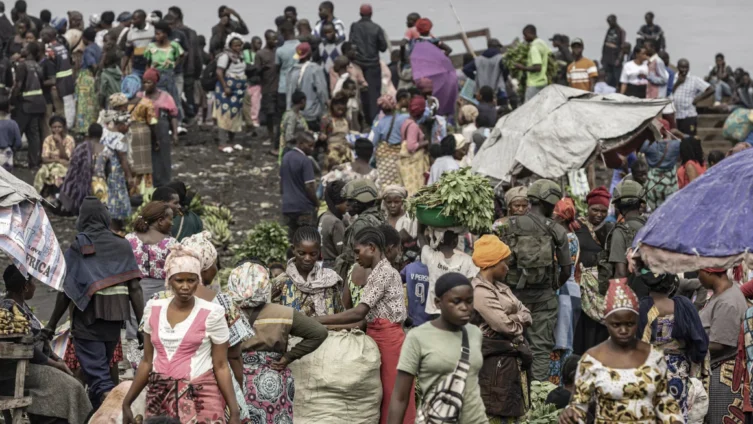
Goma, the largest city in eastern DR Congo’s North Kivu province, fell under the control of the AFC/M23 rebel coalition on Monday, the rebels told CNN. This was the latest in a string of territorial acquisitions by the group in recent weeks. The Congolese government, which accuses Rwanda of backing M23, has not confirmed the rebels’ takeover in Goma but acknowledged the city was under siege.
On Wednesday DRC President Felix Tshisekedi vowed “a vigorous and coordinated response” against the rebel alliance that has besieged swathes of the nation’s mineral-rich east and forced hundreds of local troops to surrender.
Under-Secretary-General for Peace Operations Jean-Pierre Lacroix told reporters Friday that “the situation remains tense” in Goma with “occasional shooting” but “overall calm is gradually restored.”
He also warned that the rebel groups are about 60 kilometers north of another major city, Bakavu, and “seem to be moving quite fast.”
Experts have repeatedly warned that the chaos of the conflict would leave civilians in Goma with shortages of basic necessities and at the risk of the spread of disease.
The United Nations Office for the Coordination of Humanitarian Affairs (OCHA) found on Friday that access to safe drinking water in Goma has been cut off, “forcing people to use untreated water from Lake Kivu with all the risk that entails,” Dujarric said.
He added, “Without urgent action OCHA cautions the risk of water born disease outbreaks will just continue to increase.”
Latest Stories
-
Fire guts auto parts warehouse at Bubuashie, one fire officer injured
2 minutes -
I owe my victory to coach Ofori Asare – Allotey after winning WBA Africa Gold Super Flyweight belt
6 minutes -
Church of Pentecost supports over 2,000 BECE candidates in Obuasi with career guidance seminar
2 hours -
Brandon Asante and Coventry all but promoted to Premier League despite Sheffield Wednesday draw
2 hours -
GPL 2025/26: Late Kwartemaa strike downs Hearts in Tema
2 hours -
Ghana Faces Sierra Leone Moment as Prosecutorial Powers come under strain
2 hours -
Don’t consume fish or seafood from Tema Shipyard until further notice – FDA warns
2 hours -
Why volunteering might be Africa’s most underrated career accelerator
2 hours -
ActionAid Ghana raises concern over gender gaps in Feed Ghana Programme
3 hours -
Windstorm wreaks havoc in Gushegu, displacing nearly 2,000 residents and damaging schools
3 hours -
Friends of Bridget Bonnie Marks her 35th birthday with donation to Kasseh Model Health Centre
3 hours -
From Ekumfi Kokodo to the Pulpit Stage: Essi Donkor’s gospel journey takes shape
4 hours -
Landfilling waste management creates no value, it’s an economic waste
4 hours -
Photos: Speaker Bagbin Commissions MPs constituency office under parliamentary decentralisation programme
4 hours -
Black Stars technical advisor Winfried Schäfer sacked as GFA shakes up backroom staff
4 hours