

Audio By Carbonatix
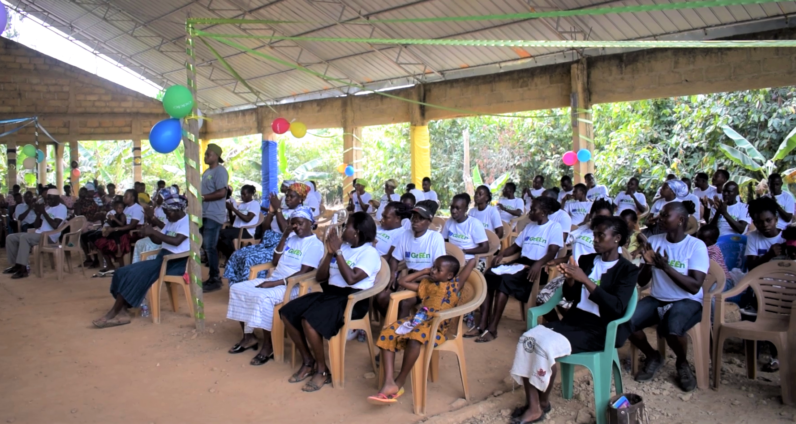
Seventy-five (75) residents of Abenneso in the Western Region, have benefitted from the SOS-GrEEn cash for work initiative.
The initiative empowers the youth with technical skills in addition to a daily minimum wage of 12 cedis to help create their green businesses.
It is a 4-year project expected to contribute to the development of a green and climate-resilient economy.
SOS-Green Ghana will provide employability for beneficiaries to create a green economy for over 4,000 youths in ten MMDA's of the Western and Ashanti Regions.
The intervention by the organization in the municipality forms the basis of the development of a GrEEn Training manual.
The beneficiaries were trained on identifying green opportunities in their communities and how to be entrepreneurs in the green sector.
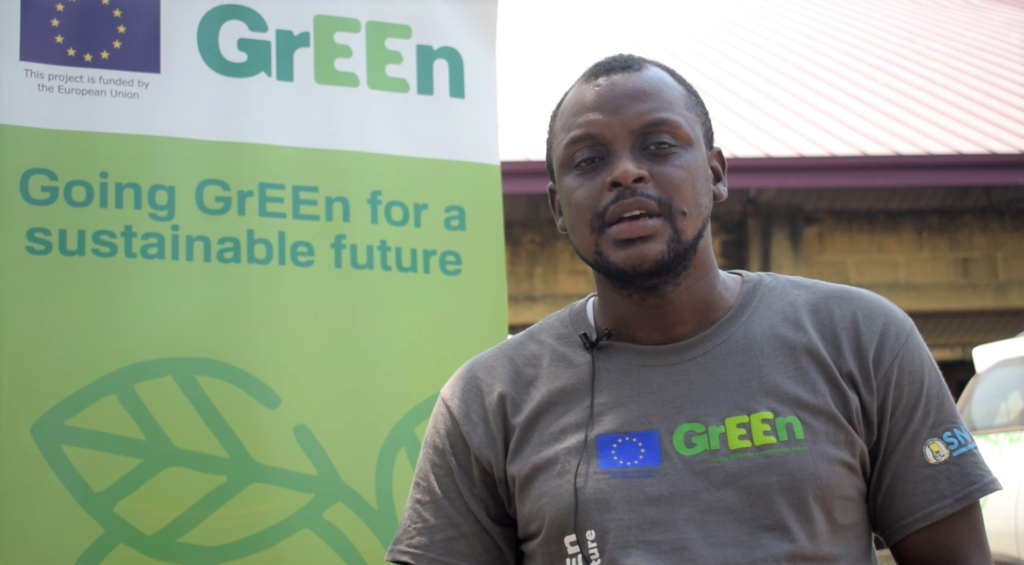
“Our main aim is to empower 4,000 cash for work beneficiaries such that they are able to secure green employment or start a green business. A daily minimum wage of 12 cedis is given to cash for work beneficiaries,” Project coordinator SOS- GrEEn Ghana, Shaibu Fuseini said.
He said, “over 75 beneficiaries have graduated from the project and we want beneficiaries to start a business in their local green economy, so we took them through some training, soft skills, employable and entrepreneurial skills”.
According to the project coordinator, the selection of the district is spearheaded by the Ministry of Local Government and Rural Development.
“…when the Ministry selects these districts, we look through the medium-term development plan of these MMDA’s and find a climate infrastructure that can be funded”, he said.
Partners of the SOS- GrEEn project, United Nations Capital Development Fund (UNCDF) educated beneficiaries on financial literacy during the training.
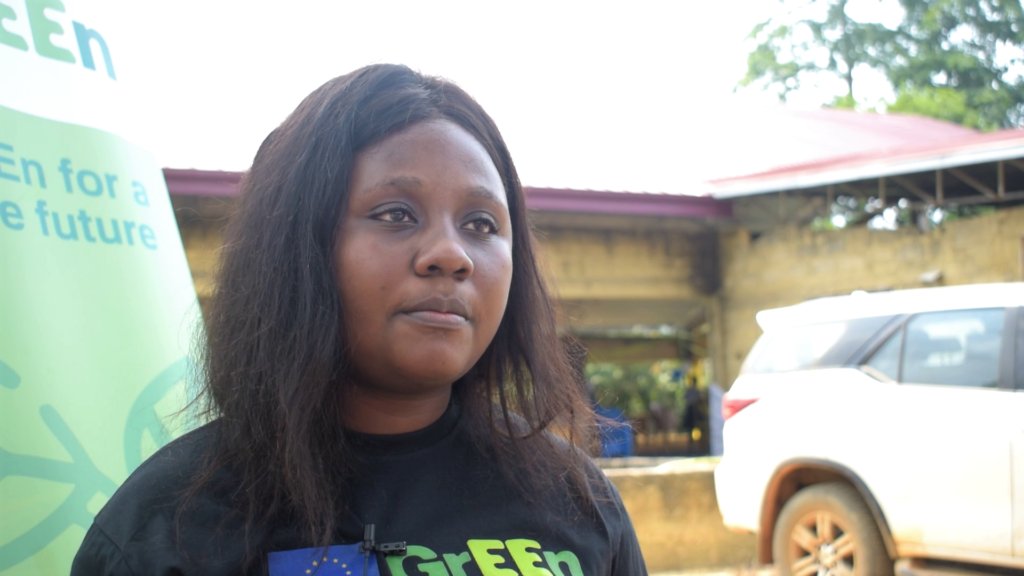
Berenge S. Jantuah, Community Development Officer UNCDF, noted, “the training will help participants escape poverty by building savings, growing assets and creating wealth”.
Beneficiaries who graduated from the SOS-GrEEn cash for work project, shared their experience after the 3 months training.
Tracy Donkor, a beneficiary farmer revealed that through the project, she has been able to buy a fridge with which she will start a 'sobolo' business.
Another beneficiary noted, “my money is now safe because United Nations Capital Development Fund (UNCDF) has opened an account for me”.
The project was funded by the European Union in partnership with the United Nations Capital Development Fund (UNCDF).
Latest Stories
-
Philanthropist Alhaji FuZak donates Da’wah bus to Ambariya Sunni community
7 minutes -
GUTA calls for suspension of Publican AI system over trade disruptions, demands temporary halt in import activities
9 minutes -
TTAG raises alarm over proposed recruitment of 7,000 teachers, demands national posting roadmap
43 minutes -
Civilians feared killed after reports of air strike on Nigerian market
52 minutes -
Bishop Simon Kofi Appiah installed as new Jasikan Diocese Bishop
53 minutes -
Trump’s Strait of Hormuz blockade threat raises risks and leaves predicaments unchanged
56 minutes -
US Court backs extradiction of former MASLOC CEO Sedina Tamakloe-Attionu’s to Ghana
1 hour -
Seven arrested as NAIMOS dismantles illegal mining camp, seizes firearms at Boin River
1 hour -
Fire erupts at Madina Ritz Junction, destroys multiple wooden structures and containers
2 hours -
Daniel-Kofi Kyereh returns from long-term injury, registers assist for Freiburg U23
2 hours -
Knifeman calling himself ‘Lucifer’ slashes three at NYC’s Grand Central
2 hours -
Brands are built from within to without
2 hours -
Matriculants urged to pursue excellence as gov’t reaffirms support for Maritime education
2 hours -
See the areas that will be affected by ECG’s planned maintenance on Monday, April 13, 2026
2 hours -
GPL 2025/26: Salim Adams double fires Medeama back to summit after Kotoko rout
2 hours