

Audio By Carbonatix
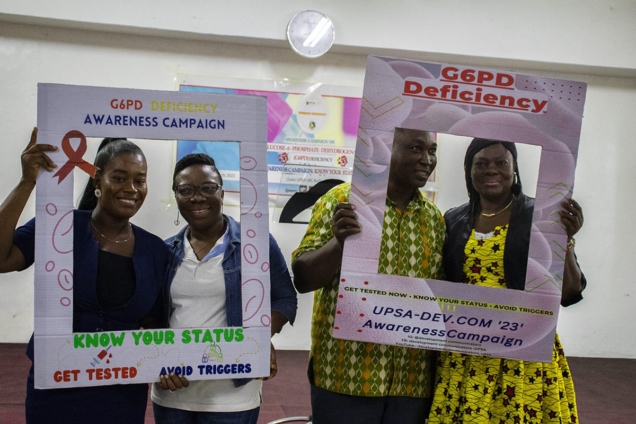
Development Communication students from the Department of Communication Studies at the University of Professional Studies, Accra (UPSA), have launched an awareness campaign on Glucose-6-phosphate dehydrogenase (G6PD) deficiency.
The aim of the campaign is to educate members of the University Community and the general public about the importance of knowing their G6PD status.
G6PD deficiency is a genetic condition that causes red blood cells to break down when the body is exposed to certain foods, drugs, infections or stress.
The deficiency occurs when a person is missing or has low levels of the glucose-6-phosphate dehydrogenase enzyme.
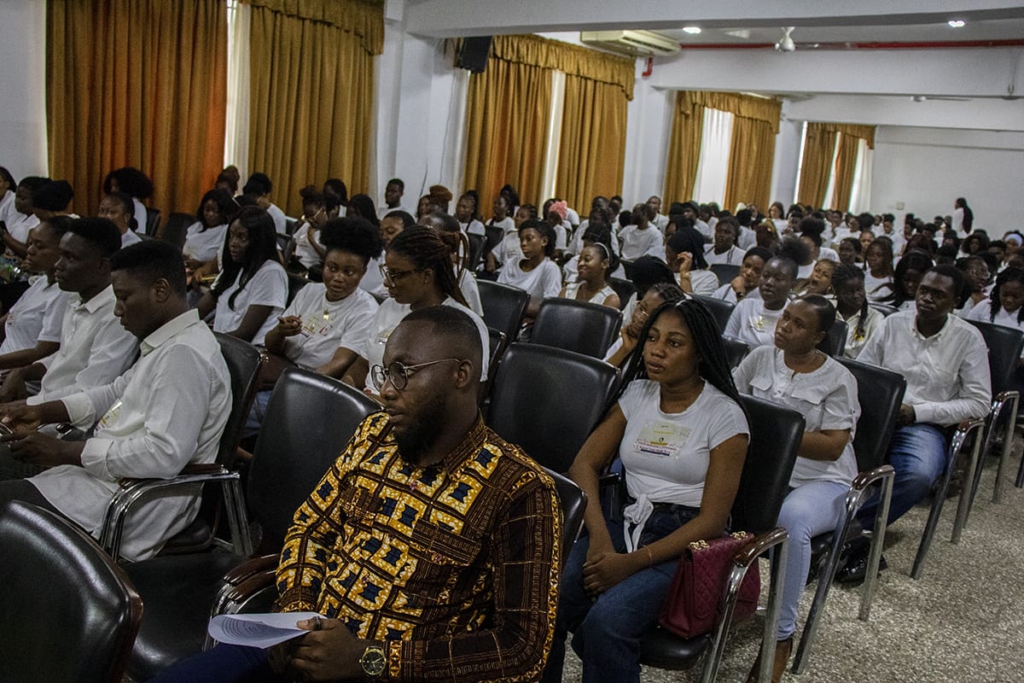
Speaking at a symposium to build public awareness of the condition, Sandra Yeboah, a Project Lead and Development Communication lecturer at UPSA, shared her near-death experience with G6PD deficiency and emphasised the need for the disease to be given the attention it deserves.
Madam Yeboah called for the inclusion of the G6PD deficiency test in all mandatory medical examinations in the country to help people know their status.
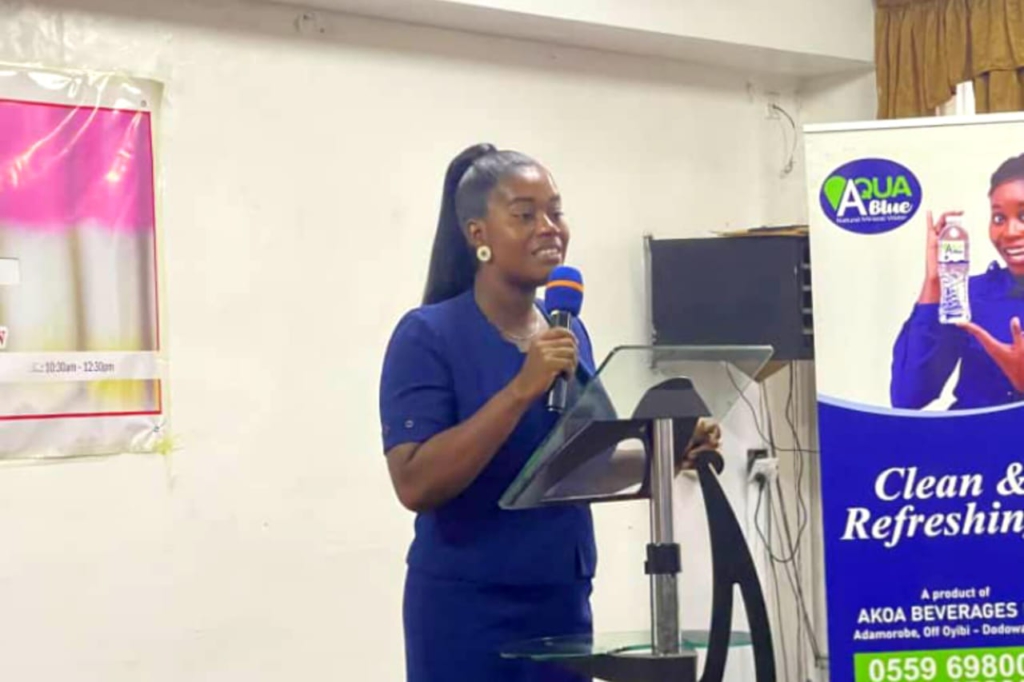
She believes that this will improve patients' lives and spur more research.
Dr Worlanyo Senadza, a medical practitioner at the UPSA Medical Directorate, explained that the destruction of red blood cells can be triggered by certain foods, such as fava beans, and certain medicines, including antimalarial medication, aspirin, nonsteroidal anti-inflammatory drugs (NSAIDs), quinidine, sulpha drugs, and antibiotics, among others.
He said although G6PD deficiency is rarely a life-threatening condition, it can cause serious medical conditions such as hemolytic anemia in adults and severe jaundice in newborns.
The Head of the Department of Communication Studies, Dr Adwoa Sikayena Amankwah commended the final-year communication students for their project, which she described as the "first of its kind."
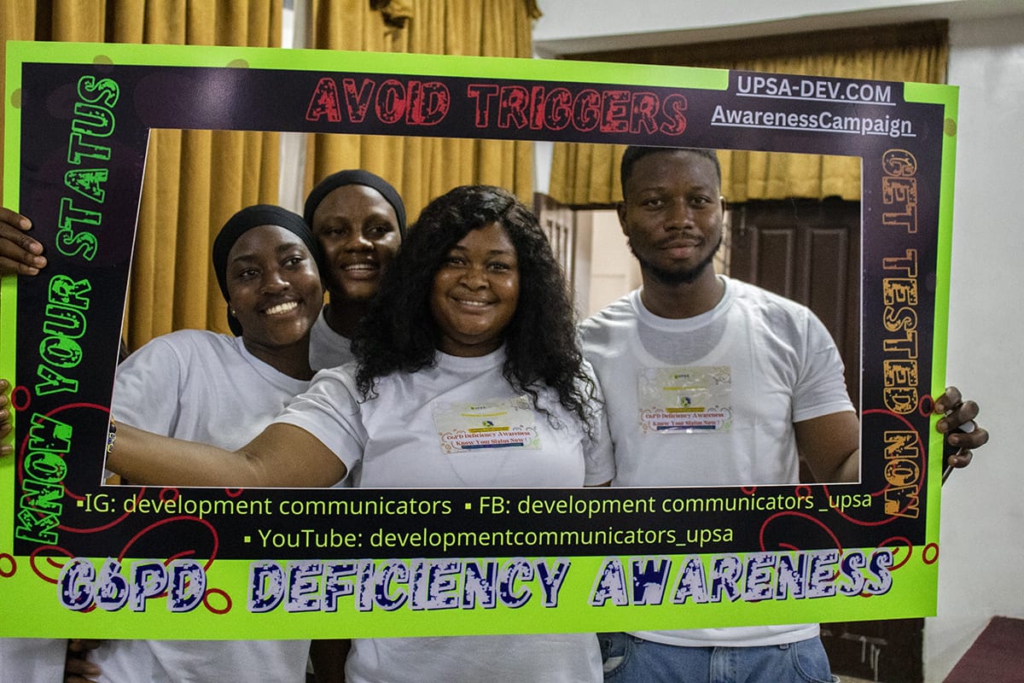
She revealed that the Department will incorporate the awareness campaign into its yearly programme, where final year students pursuing the Development Communications course can showcase their academic creativity through communication initiatives that address social issues and contribute to the socio-economic development of the country.
Dr Amankwah highlighted the role of the faculty in guiding students with the theoretical and practical knowledge necessary to bring out the best in them.
"Our role as faculty is to guide you with the theoretical and practical knowledge necessary to bring out the best in you, the initiatives in you, the creativity in you, and the latent talent in you," she said.
"This is what UPSA is about, and I am personally excited to be part of this initiative."
Latest Stories
-
Advancing justice for remand prisoners in Ghana through mediation & rehabilitation
6 minutes -
Richmond Mensah declares bid for NPP UK Branch chairmanship, promises transparent and honest leadership
12 minutes -
Africa Extractives Media Fellowship highlighted as model for women-focused leadership development
15 minutes -
GoldBod Jewellery clarifies it did not sponsor UK Women of Valour event
28 minutes -
‘Such crimes are against humanity’ — Otokunor backs prosecution of former COCOBOD officials
47 minutes -
COCOBOD’s rollover contracts cost Ghana nearly $1bn – Otokunor
60 minutes -
Gov’t bought 581,000 tonnes of cocoa at $7,200 — prices then plunged: Otokunor explains
1 hour -
Rotary Club commissions GH¢210,000 mechanised borehole for Agyemanti
1 hour -
After “I Do” 15 Years Later, What Really Keeps Love Alive?
1 hour -
Cocoa farmer frustrations began years before price cut – Otokunor
1 hour -
Ignatius Osei-Fosu open to Kotoko job but says ‘timing has to be right’
2 hours -
Cocoa farmers received as little as 30% of FOB price under Akufo-Addo – Otokunor
2 hours -
Reverse Kim Lars’ Black Stars appointment due to postponed WAFCON – Ignatius
2 hours -
Gov’t can’t set cocoa prices without global market realities – Otokunor
2 hours -
Today’s Front pages: Monday, March 9, 2026
2 hours