


Audio By Carbonatix
The Chief Executive Officer of the National Health Insurance Authority (NHIA), Dr. Bernard Okoe Boye, has said that the NHIA is adopting a Value-Based Care system to address some of the challenges in healthcare delivery in Ghana.
According to the NHIA CEO, the Value-Based Care (VBC) system, when successfully implemented, will provide all citizens with quality and equitable access to basic healthcare.
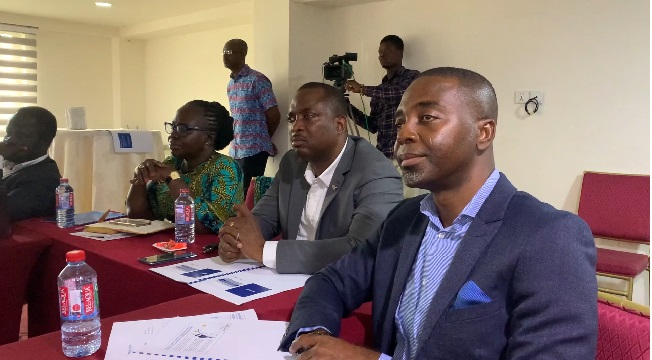
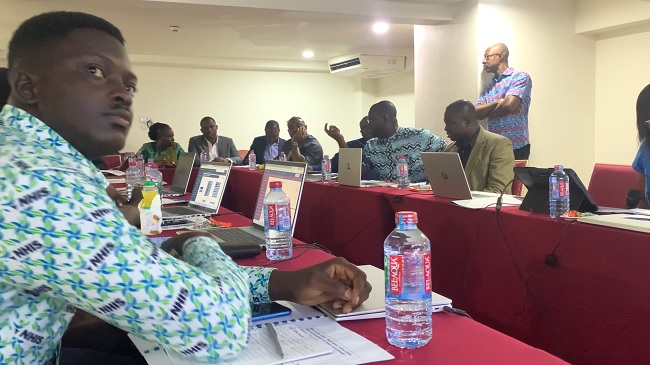
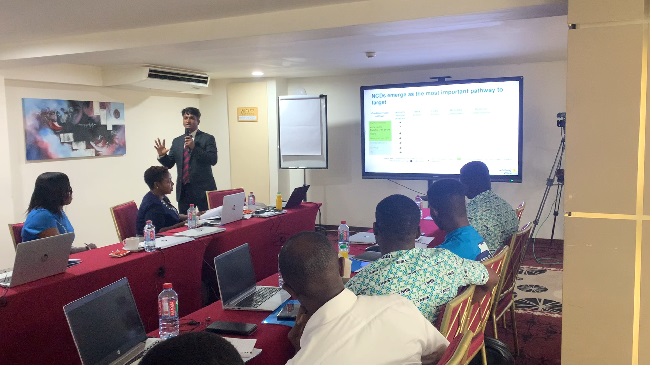
He made these comments at the opening of a 5-day workshop in Accra organised by the PharmAccess Foundation in Ghana in partnership with Leapfrog to Value and the Christian Health Association of Ghana.
According to him, data analytics, and digitalization of the NHIA system will be key to the implementation of Value-Based Care.
The NHIA has in recent years deployed digital technologies to enhance the provision of healthcare in Ghana. Among these technologies are the mobile NHIS renewal system which helps subscribers to renew and pay their insurance premiums in a convenient way, and the digital claims submission, CLAIM-IT application, which helps providers to submit their claims without hassle.

Dr. Bernard Okoe Boye said the digitalisation of these processes has enabled the NHIA to analyse and visualise its data to aid decision-making for improving the sustainability of the scheme.
"Well, I am excited because you can have so much data, but if you don’t sit down to look at the data, you might not profit from the data. A few years ago, 80% of our claims management process was manual. People were forced to sit by papers to assist, and so on. It was not efficient. As we speak, approximately 75% of the process is now electronic."
He said these digitalised processes are the spade works that will ensure the authority’s digital transformation in managing providers and subscribers.
“These digitalized processes allow us to consolidate all the information we have about Ghanaians who attend hospitals," he said.
He revealed that careful analysis of claims using technology has enabled the authority gain insights into the disease patterns of subscribers and the cost of care for these diseases over time.
Speaking of Value-Based Care, he mentioned that it makes provision for investing in preventive interventions that improve the health of the population. "VBC will tell you where to push your resources, so that you have the best outcome, and that is what we are here to do," Dr. Okoe Boye said.
Dr. Okoe Boye added that the VBC will be a component of the NHIA's quality strategy to reform how healthcare is delivered and paid for in Ghana.
He acknowledged that the current system is a drain on the government's limited resources and that a rethinking of the current system will help contain the escalating payments in government claims. He further appealed for expedited action in the implementation of a value-based care system.
The NHIA will pilot VBC with its partners PharmAccess Foundation, Leapfrog to Value, and the Christian Health Association of Ghana (CHAG). The model is centered on patients, and it guarantees efficient use and allocation of resources, ensures quality, and improves health outcomes.
For his part, the Executive Director of the Christian Health Association of Ghana, (CHAG) Dr. Peter Yeboah said the current challenges in health insurance administration have magnified the need for VBC.
The new model, according to Dr. Yeboah, will reduce the burden on the scheme when it comes to paying claims. He said the current National Health Insurance Scheme (NHIS) rewards the volume of healthcare delivered rather than the quality of service.
Dr. Yeboah further noted that “the central goal of any health system is to provide optimal health outcomes – first, to individuals and, second, to ensure societal wellbeing at all levels. And therefore, the value-based Care concept is about the way healthcare is supposed to be organized, delivered, and paid for. In other words, rather than the volume of services, it is the focus on the value, the health that could be gained from the resources available to the entire health sector."
He emphasised that the VBC will ensure optimal clinical outcomes for clients within the entire health system, while deepening efficiency gains via cost containment," he added.
He stated that the current system is a drain on the government's limited resources, and that a rethinking of the current system will help contain the escalating payments for claims.
Dr. Yeaboah further urged for expedited action in the implementation of a Value-Based Care system to phase out the existing one.
"The central goal of any health system is to provide optimal health outcomes first to individuals and ensure societal wellbeing at all levels. And therefore, the value based healthcare concept is about the way healthcare is supposed to be organised, delivered, and paid for. In other words, rather than the volume of services, it is the focus on the value, the health that could be gained from the resources available to the entire health sector."
The NHIA and its partners PharmAccess Foundation, Leapfrog to Value, and the Christian Health Association of Ghana have begun work on a human-centered design for piloting. The design will include parameters for the selection of a care pathway, measurement, delivery, and payments as well as incentive criteria for the value-based Care to be piloted in Ghana. The pilot is expected to assist critical decision-making as well as policy formulation in a bid to improve healthcare delivery in Ghana.
The NHIA CEO commended PharmAccess Foundation for leading the way with digital technologies to improve healthcare delivery in Ghana.

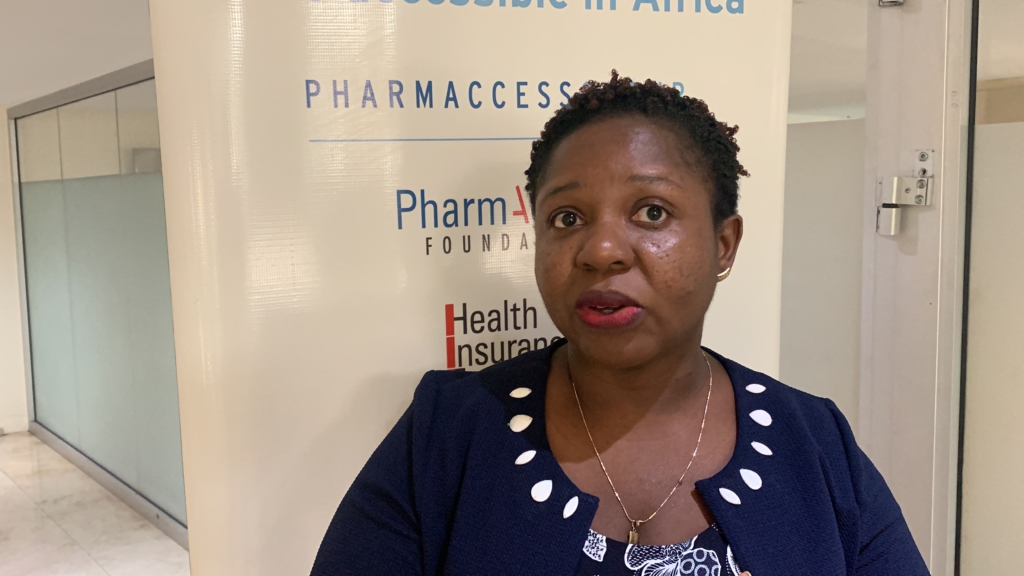
Also at the event, Operations Manager at PharmAccess Foundation in Ghana, Dr. Gifty Sunkwa-Mills, said the Value-Based Care model, when implemented, will provide transparency for providers into outcomes and cost data.
“We are aligning patients, payers, and providers to ensure that we deliver the best quality of care at the most efficient cost. So, it’s a model where we measure outcomes, deliver, and then pay for the healthcare using a cost-efficient approach, while focusing on clinical outcomes, quality of care and client experience of care" Dr. Gifty Sunkwa-Mills added.
Latest Stories
-
Church of Pentecost supports over 2,000 BECE candidates in Obuasi with career guidance seminar
40 minutes -
Brandon Asante and Coventry all but promoted to Premier League despite Sheffield Wednesday draw
1 hour -
GPL 2025/26: Late Kwartemaa strike downs Hearts in Tema
1 hour -
Ghana Faces Sierra Leone Moment as Prosecutorial Powers come under strain
1 hour -
Don’t consume fish or seafood from Tema Shipyard until further notice – FDA warns
1 hour -
Why volunteering might be Africa’s most underrated career accelerator
1 hour -
ActionAid Ghana raises concern over gender gaps in Feed Ghana Programme
2 hours -
Windstorm wreaks havoc in Gushegu, displacing nearly 2,000 residents and damaging schools
2 hours -
Friends of Bridget Bonnie Marks her 35th birthday with donation to Kasseh Model Health Centre
2 hours -
From Ekumfi Kokodo to the Pulpit Stage: Essi Donkor’s gospel journey takes shape
3 hours -
Landfilling waste management creates no value, it’s an economic waste
3 hours -
Photos: Speaker Bagbin Commissions MPs constituency office under parliamentary decentralisation programme
3 hours -
Black Stars technical advisor Winfried Schäfer sacked as GFA shakes up backroom staff
3 hours -
Wenchi water project almost complete, critical to gov’t agenda – GWL MD
3 hours -
Anti-LGBTQ+ bill not part of government’s legislative agenda – Inusah Fuseini
3 hours