

Audio By Carbonatix
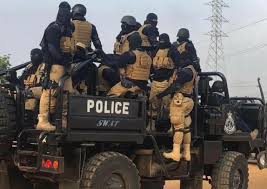
Vigilantism has been identified as the topmost security threat to the peaceful conduct of the 2020 elections on December 7, a survey by the National Commission for Civic Education (NCCE) has established.
The survey also established that the main causes of vigilantism was political influence and it also confirmed that young people, especially heavily built men, popularly known as ‘macho’ were prone to be used by politicians and political parties for the perpetration of violent acts.
The NCCE survey, made available to the Ghana News Agency, classified vigilantism as an emerging violent trend that the use of arms had increased, contributing largely to electoral violence.
Titled: “Election 2020 - matters of concern to the Ghanaian voter,” the survey had 9,541 respondents from all the 275 constituencies. The data was collected in September 2020.
To curb vigilantism, it recommended the need for government to guarantee the independence of state security services to enforce the laws.
To prevent violence during elections, the study recommended the increase in security presence at the various polling stations and intensification of public education by the NCCE on peaceful co-existence, with a special focus on the youth.
On the use of arms and its contribution to electoral violence in Ghana, majority of the respondent supported the fact that counter-arms could disrupt the peace before, during, and after the general election.
The survey also established that majority of Ghanaians were ready to tolerate the views of others before, during and after the general election, which was a positive element for controlling electoral violence.
The NCCE Chairperson, Josephine Nkrumah said the survey was to explore the willingness of the people to cast their ballots.
It would also serve as a database to provide political parties, presidential and parliamentary candidates with information to address key issues of concern and generate content to inform the Commission’s educational engagements.
The NCCE Chairperson said the survey was the fifth quantitative study to be conducted by the NCCE since 2004 on matters of concern to the Ghanaian voter.
Latest Stories
-
NRGI Country Manager questions speed of ministerial approval in Damang mining deal
1 minute -
Publish the assessment — NRGI demands transparency in Damang mining deal award to E&P
16 minutes -
Tamale: Alhaji Hussein Fuzak funds construction of 3-storey classroom block at Ambariya Islamic School
44 minutes -
Gender Ministry holds staff durbar, welcomes new Chief Director
44 minutes -
Anti-LGBTQ+: Mahama prioritises sentiments of development partners over Ghanaian values – Ntim Fordjour
49 minutes -
CPA intensifies crackdown on fake diapers across public hospitals
1 hour -
Deputy Defence Minister urges failed GAF applicants to check medical disqualification reasons
1 hour -
Video: President Mahama’s speech at One Health Summit
1 hour -
Constitution review must protect Ghanaians values, not advance LGBTQ agenda — Haruna Mohammed
1 hour -
Foreign Affairs Ministry advises Ghanaians to take recommended vaccinations before traveling to Senegal
2 hours -
If you have fixed the economy, why hide behind basic needs to delay Anti-LGBTQ+ Bill? – Ntim Fordjour to Mahama
2 hours -
NACOC Central Regional Command partners with NSRA on drug awareness campaign
2 hours -
Galaxy, DPS and Lycee Français shine at part 2 of 2026 Ghana International School Festival
2 hours -
Project C.U.R.E. donates vital medical supplies to support GMTF’s ‘Heal Ghana’ agenda
2 hours -
Engineers and Planners Ltd secures Damang Mining Lease after grueling $500m competitive tender
2 hours