

Audio By Carbonatix
Digital finance experts have warned that Africa’s digital finance boom, including financial technology (fintech) platforms, could fuel illicit financial flows (IFFs).
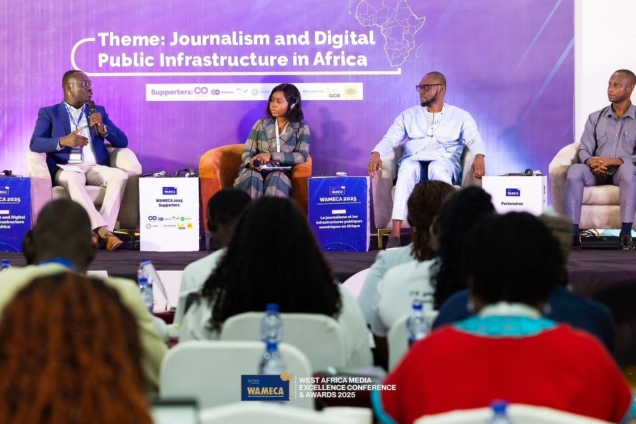
Expert panels at the 2025 West Africa Media Excellence Conference and Awards (WAMECA) insisted that the pace of innovation is far outstripping government control, which is entrenching fiscal fractures across African economies.
They are encouraging tougher oversight and regulations to safeguard domestic revenues and track cross-border financial crimes.
Ghana loses an estimated $3 billion annually to illicit financial flows (IFFs).
This economic misbehavior is crippling many African countries, as it is tied to their fiscal strengths and development.
At the 2025 West Africa Media Excellence Conference and Awards (WAMECA), the message was to demand that fintechs, which are leveraged by many IFF activities, and governments to act fast.
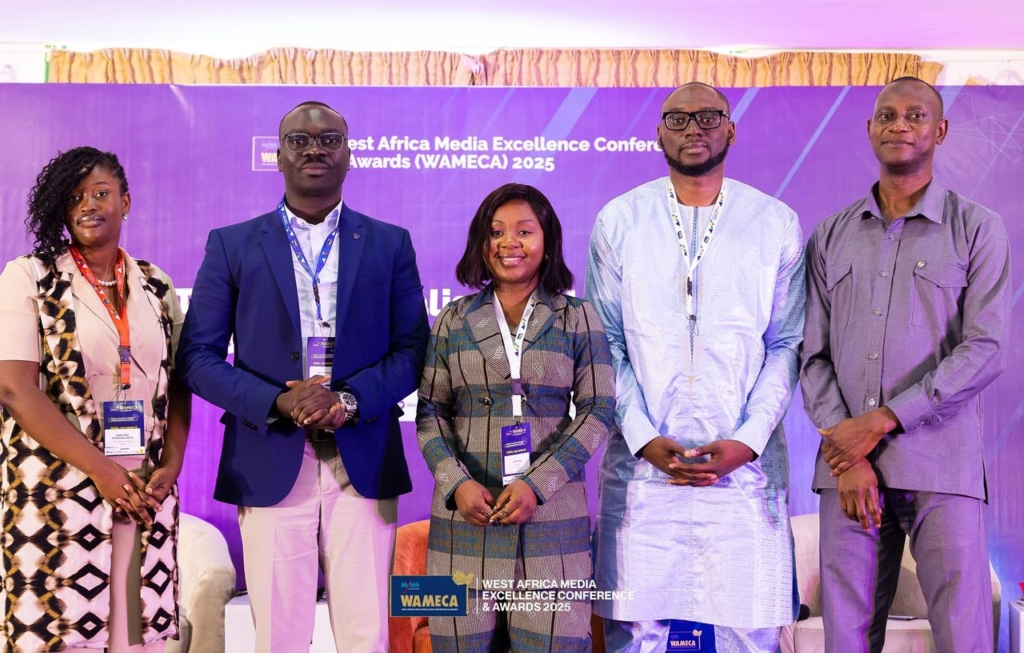
The discussion, themed “Guaranteeing Africa’s Financial Independence: The Role of Fintechs in Combating IFFs,” explored how Africa can leverage financial technology (Fintech) to strengthen financial independence and safeguard domestic resources from Illicit Financial Flows (IFFs).
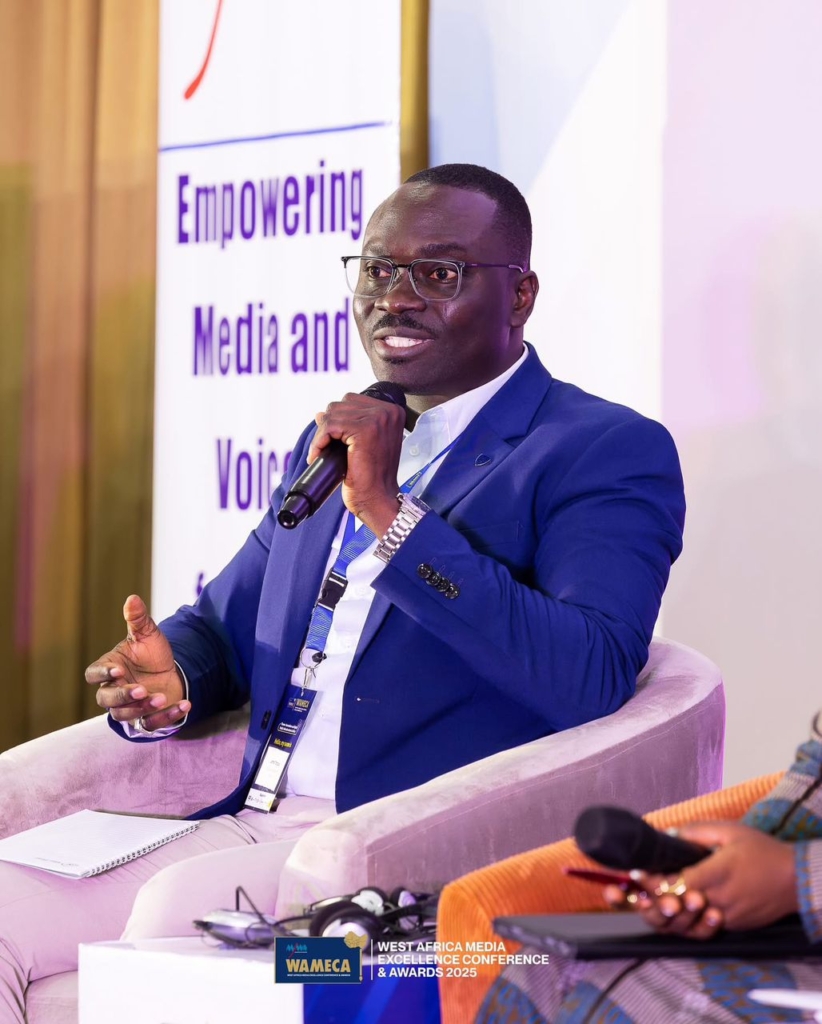
Mohammed Mahamud, Accountable Governance Programme and Policy Manager at Oxfam in Ghana, noted that fintechs are a "double-edged sword" in mitigating IFFs.
He explains that while fintech can help governments track transactions, enhance transparency, and boost tax collection, the same tools are being exploited for tax evasion, money laundering, and corporate fraud.
“Corruption in respect of illicit financial flows is about corporate corruption and Fintech’s are a double-aged sword; very good in supporting government to combat illicit financial flows by i.e. improving transaction transparency, ensuring real-time monitoring, providing opportunity to identify, to verify identity using biometrics, they can also promote money laundering. Tax evasion and fault, are perpetrated using the digital platforms that we have,” he said.
Mahamud further explained that Oxfam supports government efforts by strengthening fiscal and regulatory regimes and capacity building, noting the role of effective oversight to ensure fiscal equity.
“We recognize that governments are seized with the mandate and responsibility to respond to illicit financial flows. And so, if governments are able to use the data (provided by Oxfam) to establish linkages of how, corporate bodies are behaving in ways that promote illicit financial flows. We support the government to strengthen their fiscal regimes and build capacity to be able to navigate the complexities in the illicit financial flow sector,” he said.
In Africa, the majority of the fintech companies, including startups, mobile money operators, payment processors, digital lenders, and remittance platforms, are privately owned and managed.
Weighing in on the role of the private sector, Sales Officer at Brij Technologies in Ghana, Nana Ama Oforiwaa Antwi, acknowledged the threats within the space, disclosing that the growth of fintech-leveraged thefts is mitigated with regulations.
“I get the fear, and I agree that in a digital landscape is evolving fast, with only 8% of the world's money digitalized. When it comes to Ghana, the central bank doesn't give leverage for illicit flow, although they maybe outliers. Ghana’s GRA introduced what the "Sentinel project" to trace tax, where we are able to share a dashboard with them to money. And also, to ensure that FinTechs do not evade tax,” she said.
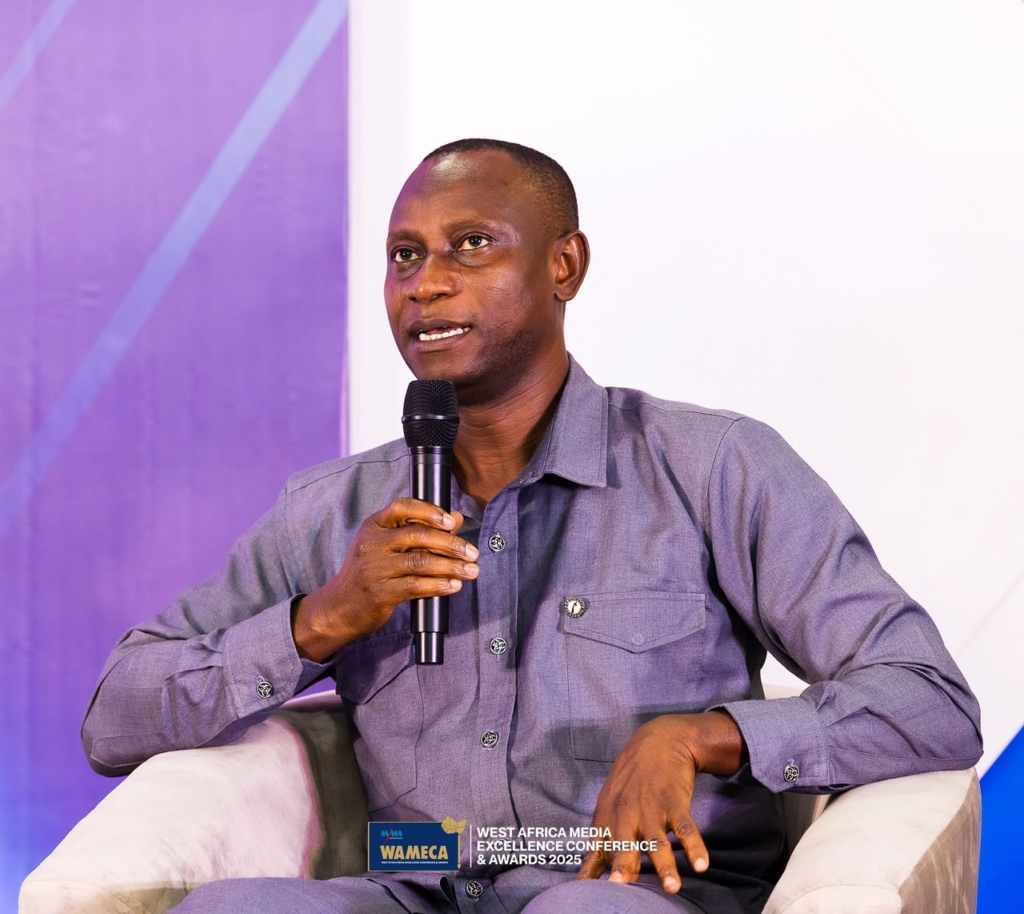
Acting Deputy Director General at the Cybersecurity Authority of Ghana, Dr. Jamal Tonzua Seidu, acknowledged that a stern coordination between financial institutions, technology firms, regulators, and investigative bodies adds to the solution against IFFs.
He highlighted cybersecurity’s role in protecting data infrastructure to secure fintech operations.
“The Cybersecurity authority looks at IFFs solutions from two perspectives: protecting critical information infrastructure and law enforcement. Under the Cybersecurity Act of 2020, have a specific mandate to support law enforcement with technical services, including forensic audit. This helps with the origins of the illegal transfer and how they are made. We also protect any industry from security jeopardy. This bringing them you set a regime that secures their preparedness, their robustness and resilience,” he said
Meanwhile, an IFF expert from Senegal Dr. Amaye Sy, is pushing for the standardization of Fintechs to effectively fight IFFs.
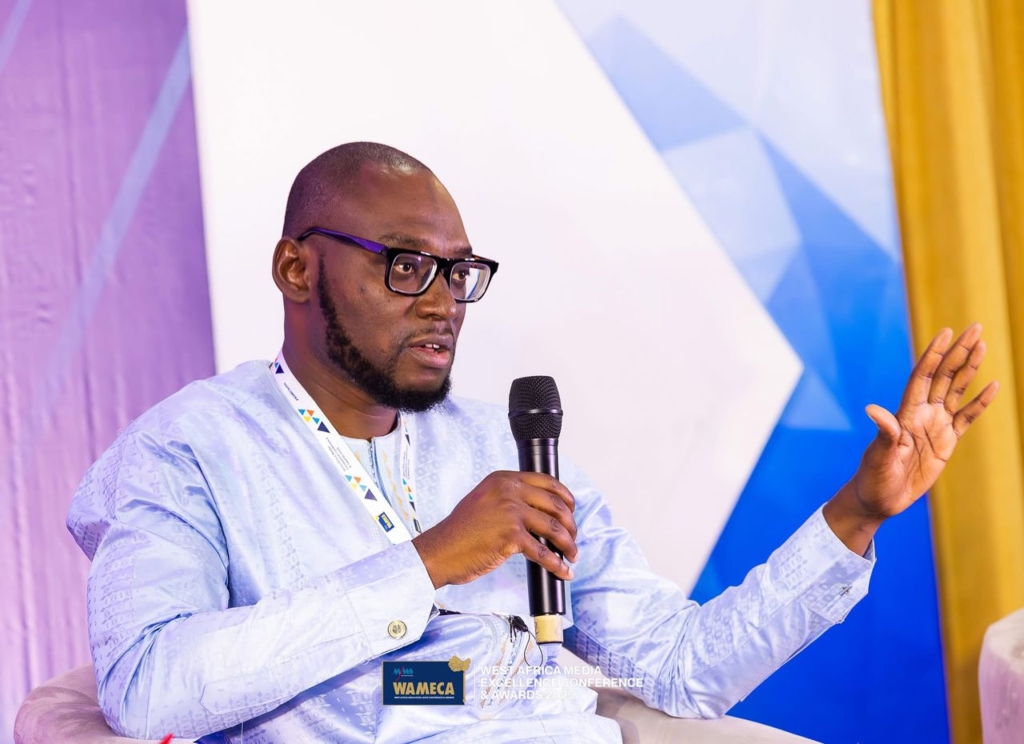
“Across the subregion, there is a need to harmonise regulatory frameworks. Where standardisation is key, not for one country, but for all. As long as standards differ from one country to another, and or even within individual states, bad actors will keep shifting operations to the weakest link,” he said.
The panel discussion at the 2025 WAMECA (as supported by Oxfam) emphasises the collaborations between the Media Foundation for West Africa (MFWA) and Oxfam in Ghana project activities for 2025.
It is an active part of three key flagship ongoing and completed projects undertaken by the collaborators.
About the Projects
The Media Foundation for West Africa (MFWA), in partnership with OXFAM and with support from DANIDA under the SP II initiative on Increased Progressive DRM through Strengthened Accountability Stakeholders, completed a nationwide capacity-building project focused on Illicit Financial Flows (IFFs) and Domestic Resource Mobilization (DRM).
The project trained over 80 financial, business, economic and investigative journalists across four regions, supported a three-month investigative fellowship for 10 emerging reporters and facilitated in-depth media coverage and programming on IFFs and Reserve Based Lending throughout 2025.
These efforts have significantly enhanced media capacity, increased public awareness, and galvanized multi-stakeholder action toward curbing illicit financial practices.
Additionally, the Media Foundation for West Africa and Oxfam in Ghana project initiatives in 2025 tackled the sweeping tax reforms introduced in Ghana’s 2025 budget by equipping journalists and civil society actors to pursue accountability and equitable taxation under the title "Tax for Development: Strengthening Civil Society and Media for Fiscal Justice."
The project built the media’s capacity to investigate and report on tax justice, domestic resource mobilisation (DRM), and corruption through trainings, a validated media manual on Illicit Financial Flows, Progressive Taxation, and Domestic Revenue Mobilisation, and stakeholder engagements, creating public awareness, and fostering transparency.
Latest Stories
-
Kwaku Azar writes: A-G vs OSP
30 minutes -
Mfantsipim–Adisadel rivalry built excellence, not division – Sam Jonah
55 minutes -
Vice President launches Mfantsipim’s 150 years of shaping Ghana’s greatest mind
1 hour -
I assure Otumfuo, Mahama will join him to commission KNUST Teaching Hospital by end of this year – Haruna Iddrisu
2 hours -
Barcelona dominate derby to extend La Liga lead
2 hours -
Gov’t to roll out free special education for persons with disabilities from July 1 – Education Minister
2 hours -
Importers and Exporters Association declares full support for Publican AI port system
3 hours -
“We used it to test our officiating officials’ readiness” – Bawah Fuseini after CAA Athletics event
3 hours -
Volleyball emerges as Ghana’s fastest rising sport
3 hours -
National Sports Fund needs strong leadership from the top – Administrator David Wuaku
3 hours -
JoySports Exclusive: Steve McLaren in talks with GFA after expressing interest in Black Stars job
3 hours -
Fire guts auto parts warehouse at Bubuashie, one fire officer injured
3 hours -
I owe my victory to coach Ofori Asare – Allotey after winning WBA Africa Gold Super Flyweight belt
3 hours -
Church of Pentecost supports over 2,000 BECE candidates in Obuasi with career guidance seminar
5 hours -
Brandon Asante and Coventry all but promoted to Premier League despite Sheffield Wednesday draw
5 hours