

Audio By Carbonatix
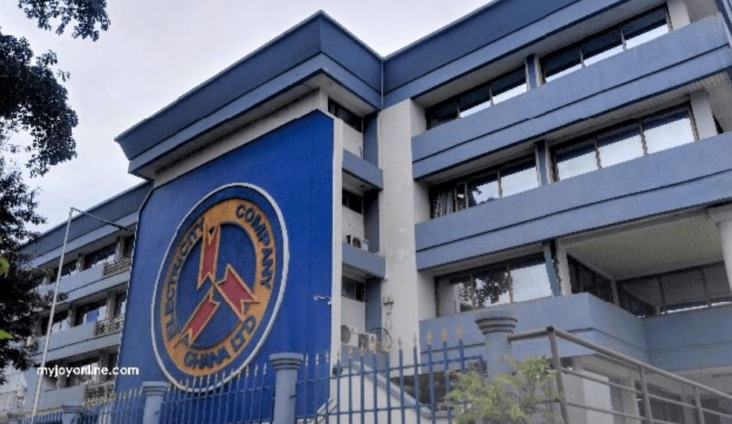
The Ranking Member of the Mines and Energy Committee in Parliament, John Jinapor, says that there is no need to sell the Electricity Company of Ghana (ECG).
This is despite reports suggesting that the company may be on the brink of bankruptcy due to severe financial challenges.
According to him, the main issue facing ECG is its billing and collection system, and a road map already exists which, if properly implemented, could save the company from its financial woes.
Mr Jinapor explained that during the National Democratic Congress (NDC) administration, former President John Mahama under the Millennium Challenge Corporation Agreement, secured $500 million to invest in the energy sector.
He said after visits to various countries to learn best practices, it was concluded that selling ECG was not necessary.
However, he stated that certain individuals within the ruling New Patriotic Party (NPP) intervened, undermining the process, and said the documentation was fraudulent.
“So we don’t need to reinvent the wheel, the road map is there, what we need to do is to take away the unnecessary political interference and the attempt by some people to make personal gains on the back of this concession.
“If we do it in a transparent manner, in a fair manner, and put in place the right mechanism, we will turn ECG around,” he said on Top Story on Wednesday, September 18.
His comments follow a notice from the Public Utilities Regulatory Commission (PURC), which warned that ECG may be on the verge of bankruptcy due to severe financial difficulties.
In a letter addressed to the Presidency, the Ministers of Energy and Finance, and other key stakeholders, PURC’s Executive Secretary, Dr Ismael Ackah, highlighted the crisis, which is also affecting the Volta River Authority (VRA), Ghana Grid Company (GRIDCo), and the Bui Power Authority.
He noted that these challenges have resulted in delays in salary payments and difficulties in covering administrative costs, signaling the need for urgent intervention.
Despite efforts to improve cash collection through digital and metering programs, as well as a 75% increase in tariffs since September 2022, ECG’s financial instability continues.
On the back of this, Mr Jinapor agreed with the PURC’s assessment, stating that ECG’s financial difficulties confirm there is excessive political interference in the management of the energy sector.
The Ranking Member on the Mines Committee argued that ECG should not be entirely privatised, but that Ghanaian private entrepreneurs should be involved in collecting payments for the company.
"The problem is corruption and a few cabal who always want to benefit from the Energy Sector, that is the problem,” Mr Jinapor added.
Latest Stories
-
Sacked for fees, saved by faith: The untold story of Forty Under 40 Awards founder Richard Abbey Jnr
30 minutes -
GCB Bank surges GH¢0.45, ETI gains GH¢0.06 as GSE ends week higher
1 hour -
Two teens jailed 55 years for robbery
1 hour -
UDS demands apology for MPhil student wrongly branded as Tamale robber
2 hours -
“We don’t sell fish!” – Tema Shipyard CEO hits back over dead fish discovery
3 hours -
Sam George defends anti-LGBTQ+ Bill as ‘national priority’ amid debate over gov’t focus
3 hours -
Artemis II astronauts safely back on Earth after trip around moon
4 hours -
Sam George unveils massive 1,150-cell site rollout to end network woes
4 hours -
This Saturday on Prime Insight: Fuel levy suspension, LGBTQ+ legislation, and Damang Mine controversy
4 hours -
Struggling Real suffer title blow with Girona draw
5 hours -
Mahama nominates Pamela Graham as Auditor-General
5 hours -
The five big sticking points in US-Iran talks
6 hours -
Melania Trump’s speech propels Epstein crisis back to forefront
7 hours -
What everyone should know about C-sections
7 hours -
Gunmen kill at least four people at Afghanistan picnic spot
7 hours