

Audio By Carbonatix
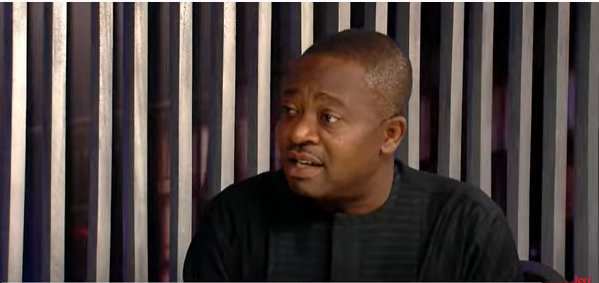
Chief Executive Officer of the Association of Ghana Industries, Seth Twum Akwaboah, says government’s revenue mobilization measures as outlined in the 2023 Budget Statement and Economic Policy are injurious to the productive sector.
According to him, the introduction of the 2.5% increment in Value Added Tax (VAT) resulting in the 21% VAT rate will place an undue burden on the productive sector while boosting importation.
He explained that while he understands the government’s need to stabilize the macroeconomic environment to raise revenue to rescue the country’s ailing economy, the measures would inadvertently cripple the productive sector proving the government’s plan counterproductive.
“In raising revenue you need to really look at your revenue handles, the tax handles that will bring you the revenue, but at the same time you’re looking at employment creation. You’re also looking at the long term. And you’re also asking yourself, why are we here? And part of the reason why we are here is because we are not producing enough to feed our system.
“We are importing so much, and therefore if you want to generate revenue and you sacrifice the productive sector to raise the revenue, in the long term it’s not going to help you. So this is the balancing act we have to do and we have to do it properly,” he said on JoyNews’ PM Express Business Edition, Thursday.
Mr. Twum Akwaboah explained that whereas producers will be expected to pay the government’s standard VAT rate, importers would merely pay the flat rate which has remained unchanged even after the VAT increment.
“The fact that you want to raise revenue does not mean you should lose sight of the productive sector you want to support. So typically you’ve increased tax rates, the VAT rate by 2.5%, but the way it is done is a bit more burden on the part of the productive sector which you’re trying to support. So that runs counter to what you want to do.
“If you look at it for example the fact that most of the well-organized companies, if you take the manufacturing sector they are all; well-organised so they pay the VAT at standard rate and all that goes with it. But the importers most of them pay flat rate. The flat rate hasn’t changed, it has remained the same and yet you’ve increased the VAT.
“So it means that those in the organized sector who are paying the VAT there’s more burden on them whiles you’re actually leaving the importers out. So you’re actually supporting importation rather than the productive sector. So you have to be very careful if you’re introducing new tax handles,” he said.
Latest Stories
-
A source of excellence across generations – Vice President Opoku-Agyemang lauds Mfantsipim
25 seconds -
(Photos) Mfantsipim School launches historic 150th anniversary
24 minutes -
Knights and Ladies of Marshall group backs Catholic Bishops’ stance on anti-LGBTQ+
1 hour -
Bright Simons writes: All the Filla in the Ibrahim Mahama/E&P – Gold Fields Saga
2 hours -
Monetise Idiocy In Ghana
2 hours -
The Ghanaian prophet and the mysterious death of his scottish wife Charmain Speirs
3 hours -
Nearly 400 sentenced in Nigeria for links to militant Islamists
3 hours -
Ghana’s recovery supported by gold strength despite global oil price pressures – Standard Bank Research
3 hours -
Methodist Church hails Mfantsipim@150; calls for “fresh consecration” to excellence
3 hours -
‘Excellence is our inheritance’ – Nana Sam Brew-Butler hails Mfantsipim’s 150-year reign in leadership
4 hours -
Kwaku Azar writes: A-G vs OSP
4 hours -
Mfantsipim–Adisadel rivalry built excellence, not division – Sam Jonah
4 hours -
Vice President launches Mfantsipim’s 150 years of shaping Ghana’s greatest mind
4 hours -
I assure Otumfuo, Mahama will join him to commission KNUST Teaching Hospital by end of this year – Haruna Iddrisu
5 hours -
Barcelona dominate derby to extend La Liga lead
5 hours