

Audio By Carbonatix
The government is targeting a 10% penetration of renewable energy into Ghana’s electricity mix by 2030 through the implementation of its Renewable Energy Master plan.
But the country’s shift to greener and cleaner energy mix is bereft of women and youth inclusivity at the leadership and policy implementation levels.
350 Ghana Reducing Our Carbon, a not-for-profit environmental youth network, is leading the charge to educate market women, who are major users of household energy, on the adoption of renewable energy.
It is estimated that nearly 30% of households live in energy poverty with a majority of the affected families situated in developing countries.
These impacts restrict access to education and economic opportunities for girls and women, and disproportionally exposing them to health risks.
Ghana is yet to harness its available natural resources for energy production as many households resort to traditional and environmentally harmful energy sources.
The country’s renewable energy use is nearly two percent.
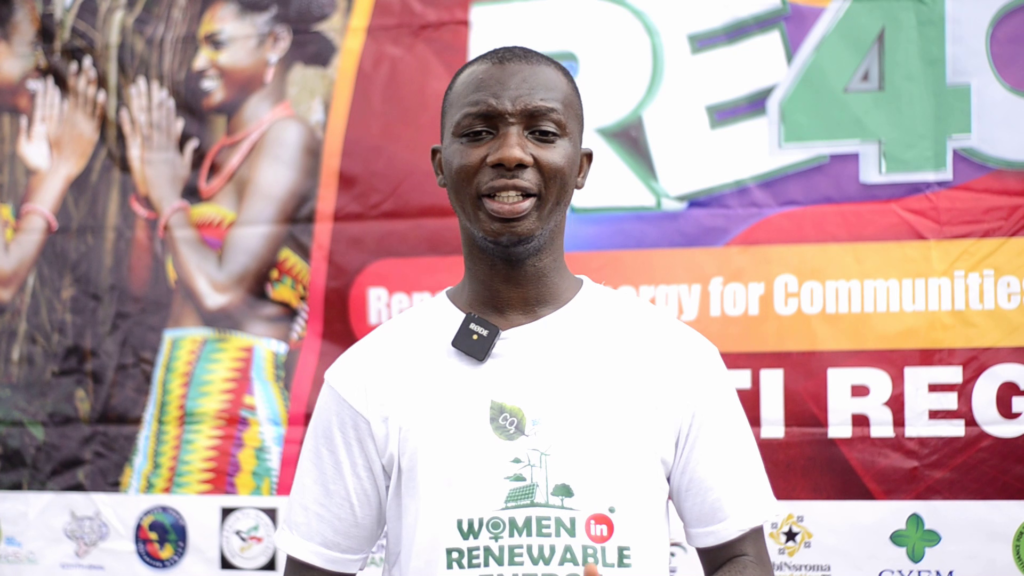
Ashanti regional director of 350 GROC, John Agyekum Kuffour, believes early exposure of women could accelerate Ghana’s 10% renewable energy penetration target.
“We are engaging the communities particularly women so they could shift to solar and other natural resource energy sources. By this, they won’t always depend on the national grid and this is also clean,” he said.
The consequences of the changing climate adversely impacts the global south, especially in Africa.
According to the United Nations Environment, 80% of people displaced by climate change are women.
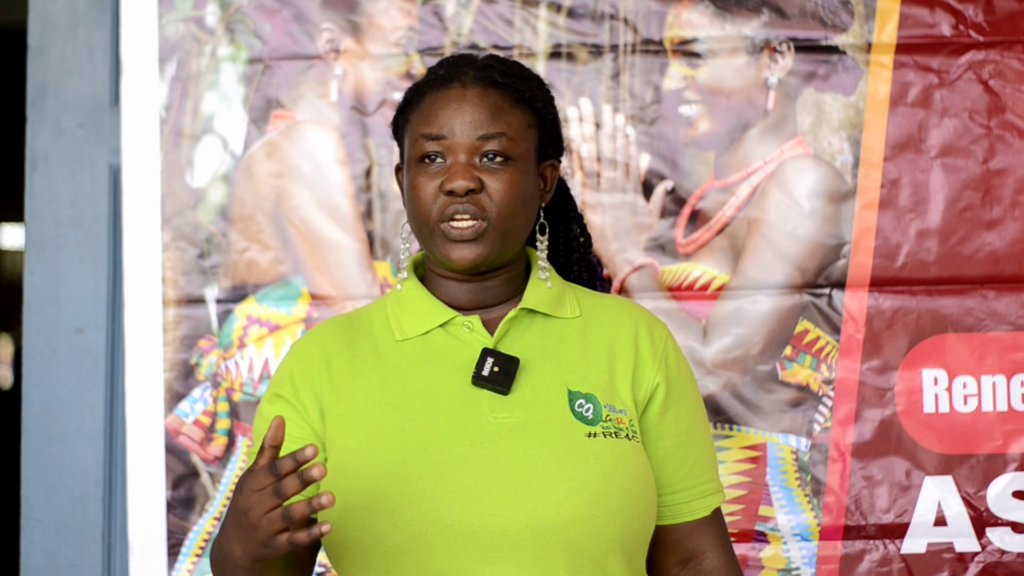
National Coordinator of 350 GROC, Portia Adu-Mensah, says climate action is a must for all.
“As citizens, we must be interested in the Climate conversation. It’s all about the issues related to loss and damage. Lives and properties are being lost. Climate change must be everyone’s concern,” she said.
Government in 2019 established the Climate Change Learning Programme to accelerate youth empowerment for climate change mitigation and solutions.
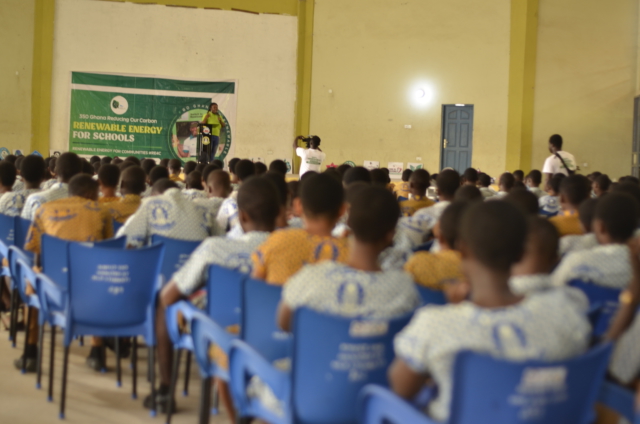
The group visited some second-cycle institutions in the Ashanti region to educate them on Climate crisis.
Head of STEM education in the Ashanti region, Adams Yussif, reiterated the essentiality of integrating climate-based learning into the school curriculum.
“At this age of students at the secondary schools, it is important to introduce them to effects of climate change. It will make an impact on them. Measures taken to curb climate change could be properly taken up by them since they are the future leaders,” he said.
Latest Stories
-
Church of Pentecost supports over 2,000 BECE candidates in Obuasi with career guidance seminar
7 minutes -
Brandon Asante and Coventry all but promoted to Premier League despite Sheffield Wednesday draw
29 minutes -
GPL 2025/26: Late Kwartemaa strike downs Hearts in Tema
35 minutes -
Ghana Faces Sierra Leone Moment as Prosecutorial Powers come under strain
45 minutes -
Don’t consume fish or seafood from Tema Shipyard until further notice – FDA warns
50 minutes -
Why volunteering might be Africa’s most underrated career accelerator
56 minutes -
ActionAid Ghana raises concern over gender gaps in Feed Ghana Programme
58 minutes -
Windstorm wreaks havoc in Gushegu, displacing nearly 2,000 residents and damaging schools
1 hour -
Friends of Bridget Bonnie Marks her 35th birthday with donation to Kasseh Model Health Centre
2 hours -
From Ekumfi Kokodo to the Pulpit Stage: Essi Donkor’s gospel journey takes shape
2 hours -
Landfilling waste management creates no value, it’s an economic waste
2 hours -
Photos: Speaker Bagbin Commissions MPs constituency office under parliamentary decentralisation programme
3 hours -
Black Stars technical advisor Winfried Schäfer sacked as GFA shakes up backroom staff
3 hours -
Wenchi water project almost complete, critical to gov’t agenda – GWL MD
3 hours -
Anti-LGBTQ+ bill not part of government’s legislative agenda – Inusah Fuseini
3 hours