

Audio By Carbonatix
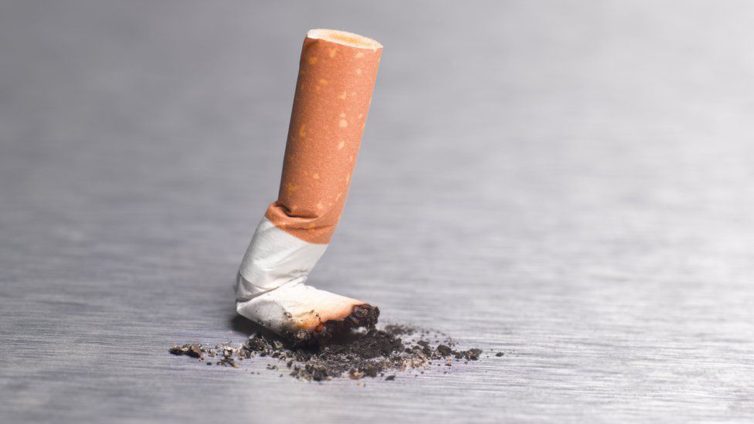
New Zealand will ban the sale of tobacco to its next generation, in a bid to eventually phase out smoking.
Anyone born after 2008 will not be able to buy cigarettes or tobacco products in their lifetime, under a law expected to be enacted next year.
"We want to make sure young people never start smoking," Health Minister Dr Ayesha Verall said.
The move is part of a sweeping crackdown on smoking announced by New Zealand's health ministry on Thursday.
Doctors and other health experts in the country have welcomed the "world-leading" reforms which will reduce access to tobacco and restrict nicotine levels in cigarettes.
"It will help people quit or switch to less harmful products, and make it much less likely that young people get addicted to nicotine," said Prof Janet Hook from the University of Otago.
New Zealand is determined to achieve a national goal of reducing its national smoking rate to 5% by 2025, with the aim of eventually eliminating it altogether.
Currently, about 13% of New Zealand adults smoke, down from 18% about a decade ago. But the rate is much higher - about 31%- among the indigenous Maori population who also suffer a higher rate of disease and death.
New Zealand's health ministry says smoking causes one in four cancers and remains the leading cause of preventable death for its five million strong population. The industry has been the target of legislators for more than a decade now.
As part of the crackdown announced on Thursday, the government also introduced major tobacco controls, including significantly restricting where cigarettes can be sold to remove them from supermarkets and corner stores.
The number of shops authorised to sell cigarettes will be drastically reduced to under 500 from about 8,000 now, officials say.
In recent years, vaping - smoking e-cigarettes which produce a vapour that also delivers nicotine - has become far more popular among younger generations than cigarettes.
New Zealand health authorities warn however, that vaping is not harmless. Researchers have found hazardous, cancer-causing agents in e-cigarette liquids as well.
But in 2017 the country adopted vaping as a pathway to help smokers quit tobacco.
Latest Stories
-
Gold slips before US payrolls data, set for second weekly loss
51 minutes -
New Mexico wants Meta to pay up to $40 billion in penalties after data privacy trial
60 minutes -
Oil rises slightly as market weighs mixed supply signals
1 hour -
Jordan ‘Last Dance’ jersey sells for £9m
1 hour -
Nigeria charges man with running fictitious government agency
1 hour -
COMAC renews call for full deregulation of fuel prices
2 hours -
Putin warns West that Russia is ready to use every weapon to protect Kaliningrad
2 hours -
Fuel sector overcrowded as 245 OMCs compete for market share – COMAC CEO
4 hours -
Mobile Money Fintech LTD, UMB train hairdressers and beauticians
4 hours -
COMAC boss blasts gov’t interference in fuel pricing, demands full deregulation
4 hours -
OpenAI fires workers for mishandling ‘sensitive information’
4 hours -
What’s gone wrong at Nike? How the world’s sportswear giant lost its mojo
4 hours -
Carney pitches oil pipeline as a response to US-Canada trade war
5 hours -
Badenoch welcomes expanded grooming gangs inquiry
5 hours -
GACL MD sues Samuel Buabeng over alleged Facebook defamation
5 hours