

Audio By Carbonatix
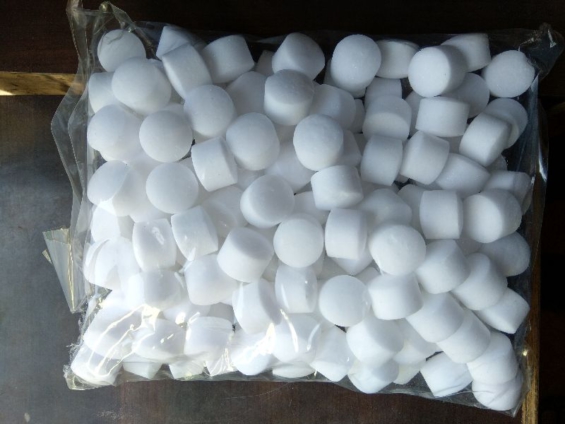
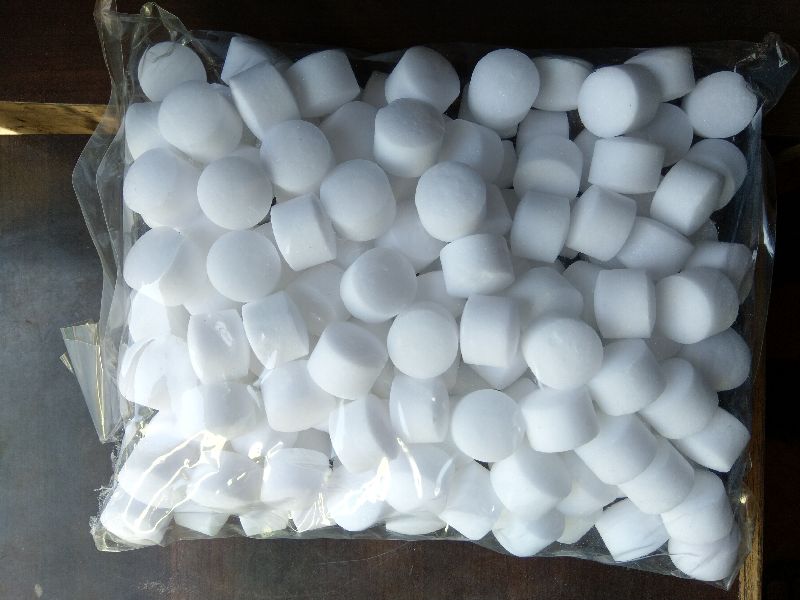
Naphthalene balls, sometimes referred to as mothballs are white, volatile, small balls that are used either as pesticides or insecticides.
They may be used indoors or outdoors. Naphthalene balls mostly consist of the ingredients Naphthalene and Thionaphthalene and are obtained from either coal tar or petroleum distillation.
When naphthalene melts from solid into the gaseous state, it produces a strong pungent odour which is toxic to moths and other insects. Under the mandate of the Food and Drugs Authority (FDA), naphthalene balls are classified as household chemical substances for repelling insects.
It has come to the notice of the FDA that some sections of the public use naphthalene/mothballs to purify drinking water, and for the treatment of stomach aches, measles, and diarrhoea.
These forms of usage other than repelling insects may cause serious harm to the users and therefore the public is strongly advised to desist from that.
Indeed, research has shown that incorrect use of naphthalene balls can have severe health consequences on consumers and long-term exposure to them may result in severe anaemia, respiratory tumours, reproductive problems, headaches, nausea, sweating, jaundice, confusion, malaise, abdominal pains, eye, and nose irritations.
Additionally, the continuous release of these balls into water bodies and the environment can have dire consequences on aquatic life.
The FDA, therefore, urges the public to desist from the unapproved use of naphthalene balls and adhere to only the approved use as a household chemical substance solely approved for repelling insects and pests.
To this end, the FDA will continue to partner with relevant institutions in the sensitisation of the public on both the appropriate use and harm that may result from the abuse of naphthalene balls to safeguard the health and safety of the consuming public.
Other regulatory interventions such as the recent introduction of the Street Food Vending Permit initiative intended to closely monitor the preparation, packaging and storage of street foods are being enforced in a bid to ensure that no chemical contamination occurs and there is strict adherence to Good Hygienic Practices (GHP) at all times.
Latest Stories
-
Zanetor pledges to turn scientific research into jobs, industrial growth
17 seconds -
$270m poultry investment to create 12,000 jobs under 24-Hour Economy
7 minutes -
My petition against Special Prosecutor put on ice after political intervention – Kpebu
8 minutes -
‘Don’t fail our teachers’ – Parents demand full implementation of strike deal
15 minutes -
Ghana Baptist Convention ordains 92 ministers, urged to live above reproach
16 minutes -
SIGA’s GH¢19.8bn SOE profit claim misleading – Bright Simons
21 minutes -
Kpebu vows to publish full petition if case against OSP is thrown out
26 minutes -
Central Regional Minister inspects projects in Assin South
28 minutes -
Mahama must show stronger leadership in galamsey fight – Prof. Bokpin
35 minutes -
Abu Jinapor defends Domestic Gold Purchase Programme, credits Bawumia with its introduction
36 minutes -
I’ll beat NDC for third time through my development record in Karaga – Amin Adam
40 minutes -
Denkyirahene hosts sixth Akwasidae, calls for unity, peace
47 minutes -
Edem Agbana outlines development gains, future projects at Ketu North accountability forum
53 minutes -
Let’s develop a culture of reading – Tourism Minister
1 hour -
Kpone Kokompe records four confirmed measles cases
1 hour